Karnataka is currently experiencing one of its most intense winter spells in recent memory, with the chill factor affecting both North Interior and South Interior regions. While the tech hub of Bengaluru is grappling with unusually cold mornings, North Karnataka's Vijayapura has plunged to its lowest minimum temperature in nearly a decade, prompting a severe cold wave alert from the India Meteorological Department (IMD).
Vijayapura's Decade-Low Chill
Districts in North Interior Karnataka (NIK) have borne the brunt of the cold wave. Vijayapura and Bidar have registered minimum temperatures significantly below the seasonal normal, with reports indicating readings dipping to around 7°C in Vijayapura. This dramatic drop, which is nearly 8°C below the average for this time of year, marks the coldest weather the region has experienced in at least nine to ten years.
The IMD has issued a severe cold wave warning for isolated pockets over Bidar, Kalaburagi, and Vijayapura, advising residents to take precautions against health risks.
Bengaluru's Uncharacteristic Plunge
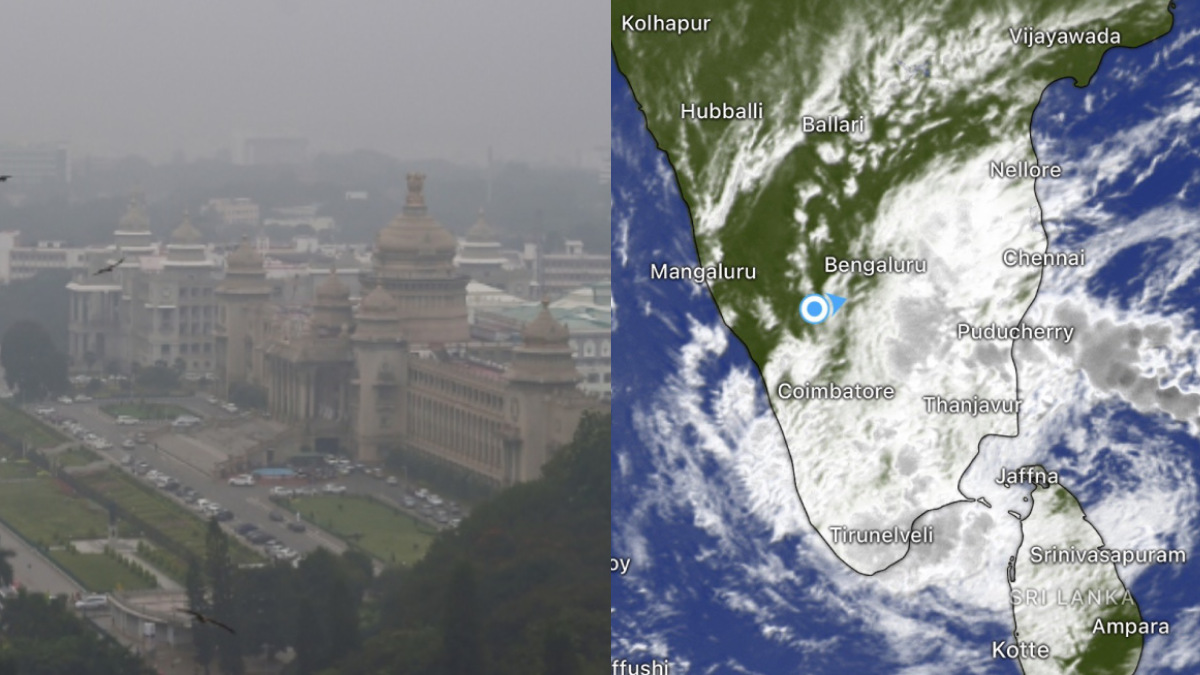
The cold is not confined to the northern plains. Bengaluru, often lauded for its mild climate, is witnessing a sharp dip in temperatures, making the weather feel intensely cold for residents.
- The city's minimum temperatures have been fluctuating around 14°C to 15°C, which is about 2.7°C to 4°C below the normal December minimum of 16.4°C.
- Airport areas have recorded even lower minimums, plunging near 12°C to 13°C.
- Forecasters predict the minimum temperature in the city may fall further to 12°C in the coming week, potentially making it the coldest December reading since 2016.
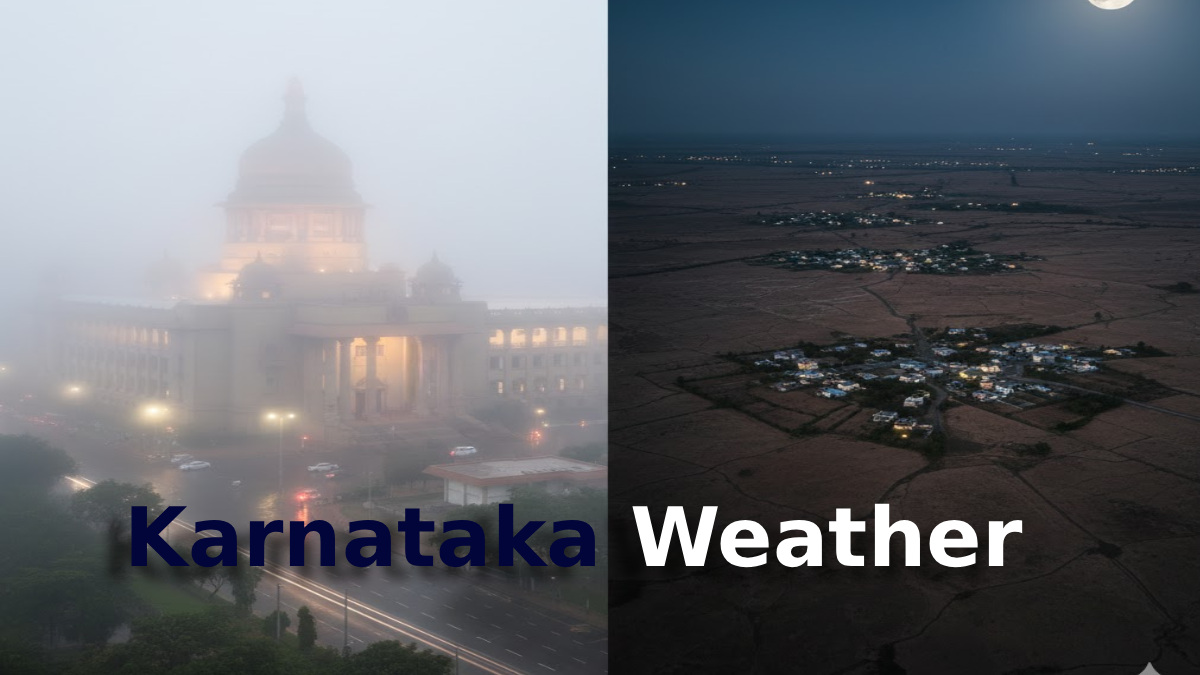
The city is expected to have persistent mist/fog during early morning hours, leading to reduced visibility for commuters.
What is Causing the Extreme Cold?
Weather experts attribute this rare and intense cold wave in peninsular India to a complex interplay of global and regional factors .
- La Nina Conditions: Global atmospheric conditions associated with La Niña (cooler-than-average sea surface temperatures in the Pacific) have strengthened trade winds and modified global circulation patterns, setting the stage for a harsher winter in the Indian subcontinent.
- Siberian High: A high-pressure system over Central India has created a "funnel effect," allowing extremely cold, dry continental air from the massive Siberian High to push southward. This cold air, usually blocked by the Himalayas, is now penetrating deep into North Interior Karnataka.
- Radiational Cooling: The clear skies and dry air prevailing over the region act as an "open window," allowing heat to rapidly escape from the ground to space after sunset. This process, known as nocturnal radiative cooling, exacerbates the temperature drop, turning mild afternoons into biting cold nights.
Residents across Karnataka have been advised to layer clothing and limit early morning exposure, especially the elderly and children, as the cold spell is likely to persist for the next few days.