It is a big step in the case of the missing file which attracted huge public and political attention and the Odisha government has transferred the investigation into the missing file case from the Chief Minister’s Office (CMO) to the Crime Branch.
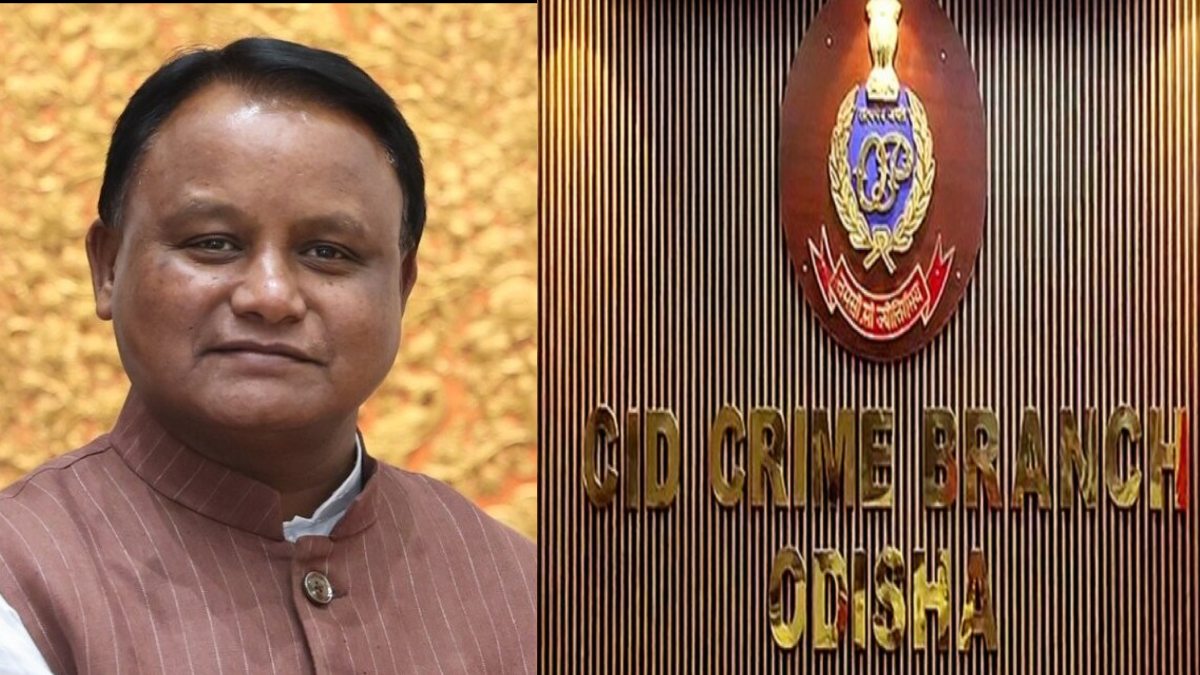
The missing file is linked to records of the 2008 Kandhamal communal violence which is the state’s most serious communal violence. The Crime Branch’s task is to investigate the missing file in a complete, unbiased manner and to know if there are any problems with procedural or other things in the case.
The development has brought back new attention on the Kandhamal violence of 2008 as it was after Swami Laxmanananda Saraswati, a Hindu religious leader, and several others were killed in August 2008. The killing triggered widespread communal conflicts between different sections of the Hindu and Christian communities in Kandhamal district. Many people were injured, many displaced, homes, places of worship and public property destroyed in the violence. The incident is still one of Odisha’s most widely discussed chapters.
The missing file was evidence of official documents related to the Kandhamal violence, the report said. The file was not made public for the security of government documents, administrative accountability, and the preservation of important government records but it did not have a lot of documents, and so the case has raised the question of document management, administrative responsibility for the management, and the records of the government in general by the Government of India, and how the missing files would be managed. The investigation will be transferred to the Crime Branch to investigate the reasons for the missing documents.
The Crime Branch, Odisha’s specialized investigative agency, has extensive experience in complex criminal investigations involving sensitive matters. We need to check administrative procedures, document movement records, question the staff and determine whether the disappearance was caused by negligence, procedural mistakes, or some other specific action. We need to check digital records, file tracking systems, and other evidence that we have to reconstruct the sequence of events.
The Kandhamal violence of 2008 had a profound social and political impact on Odisha. After the killing of Swami Laxmanananda Saraswati and his friends, the communal tension in a number of parts of Kandhamal district erupted so quickly. Many families were displaced, relief camps were established and huge rehabilitation efforts were carried out after that. There have been many investigations, court proceedings, and government efforts to respond to the violence through criminal prosecutions, compensation, rehabilitation, and reconciliation over the years.
The disappearance of records associated with such a significant historical event naturally raises concerns about the preservation of institutional records. A lot of government files, for example, contain important documents about policy decisions, legal processes, official correspondence, and historical documentation, administrative experts say. Accurate records are required for transparency, accountability, good governance, and future legal or administrative reference.
Legal observers have said that an investigation will be needed not only to make sense of the missing file but also to underscore public institutions’ trust in the ability to maintain official record keeping. Proper documentation is also essential in such sensitive historical events, judicial processes, and administrative decision-making.
Political responses to the development are also coming; parties have now called for a transparent investigation and early disclosure of results. If negligence is established, leaders say, then they are accountable and government departments must have better record management systems in place in order to prevent future incidents.
Public administration professionals have repeatedly stressed the role of digital record management and secure archival systems. And in India, many departments are gradually digitising their official documents which help to prevent physical file loss and make the files more accessible and efficiently executed.
More digital information tracking systems, secure storage of documents, and regular audits are now viewed as important measures to secure sensitive government records.
The Crime Branch will investigate whether the procedures for file handling and maintenance were properly followed. It might also be recommended that administrative reforms be implemented if weaknesses in current systems are identified during the investigation.
Public interest in the investigation will only grow as long as there are the results and any recommendations that come out of the investigation. The transfer of the case to the Crime Branch confirms that the government will investigate the missing official file which is associated with such a major event in Odisha's history. The results of this investigation may not only help to hold accountable some of the government, but also improve the quality of records and thus help to enhance public confidence in government institutions.