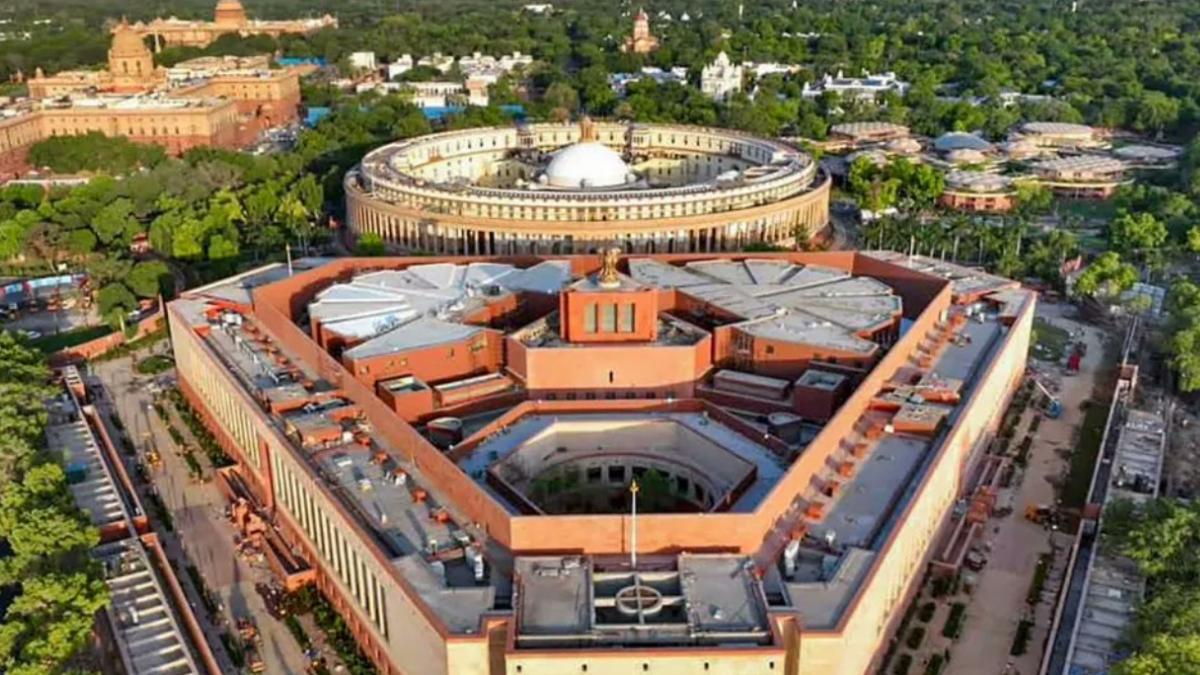
The government has criticized the Opposition for disrupting Parliament and says it has not been able to hold Parliament for a few weeks since the big demands related to the paper leak issue have been made by the government. Several major demands have already been made at large to the paper leak issue, but there has been a suspension of Parliament, and all progress on the paper leak issue has been delayed due to the protests.
According to the government’s position, Union Education Minister Dharmendra Pradhan has resigned, fast-track courts have been established to expedite cases related to examination malpractices, and a dedicated task force has been formed to eliminate paper leaks and strengthen the integrity of public examinations.
-Dharmendra Pradhan resigned
— Political Kida (@PoliticalKida) July 27, 2026
-Fast-track courts have been established
-A task force has been set up to curb paper leaks completely.
Every demand has been met. Every concern has been addressed
Yet the opposition created a ruckus in Parliament and forced the House to adjourn.… pic.twitter.com/HHtLB5PkFx
Government leaders say the measures are in response to the main demands of the examination controversy. They say that Parliament should have had a very detailed discussion of it and of the proposed legislative measures as soon as they were announced.
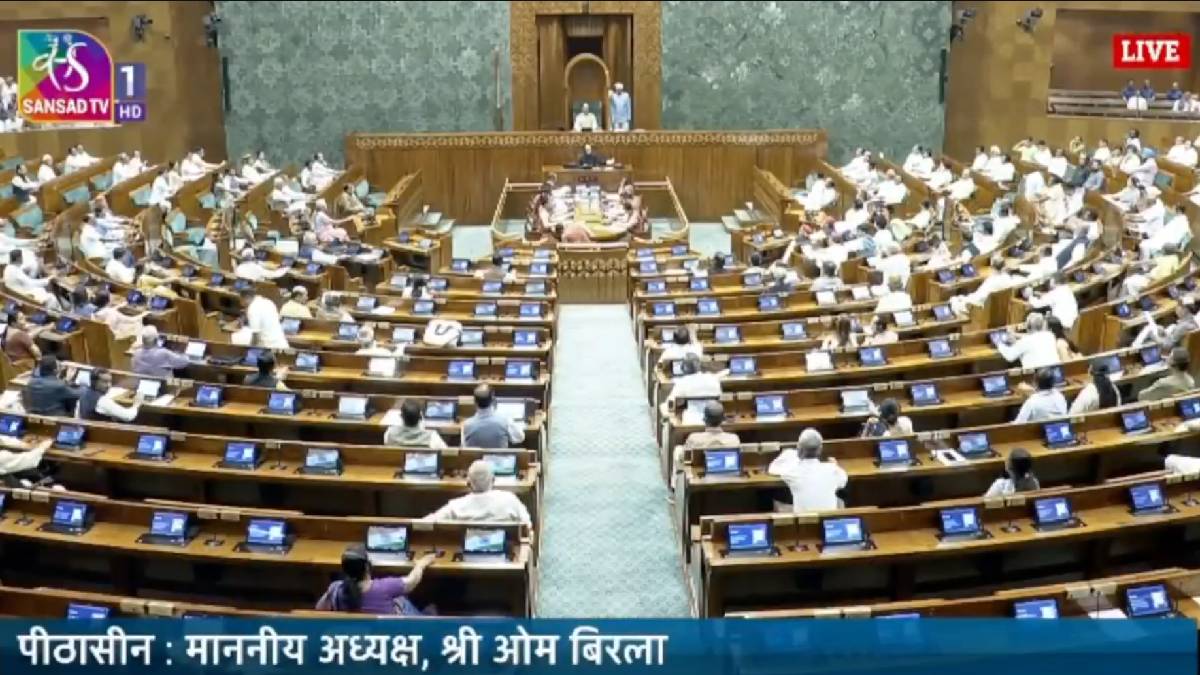
However, the Opposition protested in the House, and there were repeated disruptions in the parliamentary session and an adjournment. Members raised slogans and entered the Well of the House during the session, and there was a noisy clash between the Treasury and Opposition benches.
The ruling side has claimed that the opposition refused to have a serious debate, despite the government being prepared to take part. Government representatives claimed the continuous disruption inhibited legislative business and had impeded parliamentary business.
Government leaders also said Parliament is the appropriate forum for discussing policy issues and holding the executive accountable. They said the discussion would have been worthwhile if all parties had been able to say what they think about the measures made to prevent examination fraud and paper leaks.
Opposition parties, on the other hand, have continued to complain and to campaign for their concerns in the House. Their reasons for opposing the government’s approach should be laid out in parliamentary debates and public statements.
The paper leak issue has become one of the most contentious political issues of recent months, and in recent months people are demanding more accountability, more rigorous oversight of organised cheating networks, and reforms to protect competitive examinations.
The government’s measures (the resignation of the Education Minister, the creation of fast-track courts, and the creation of a specialised task force) are all intended to signal that it is committed to addressing public concerns and restoring confidence in the examination system.
As Parliament has been repeatedly confronted with such issues, future sittings of Parliament will now have to debate the government’s legislative and administrative responses as well as administrative action.
The developments highlight the deep political divide in how to address examination integrity as well as ensure Parliament is still functioning and able to debate national matters.