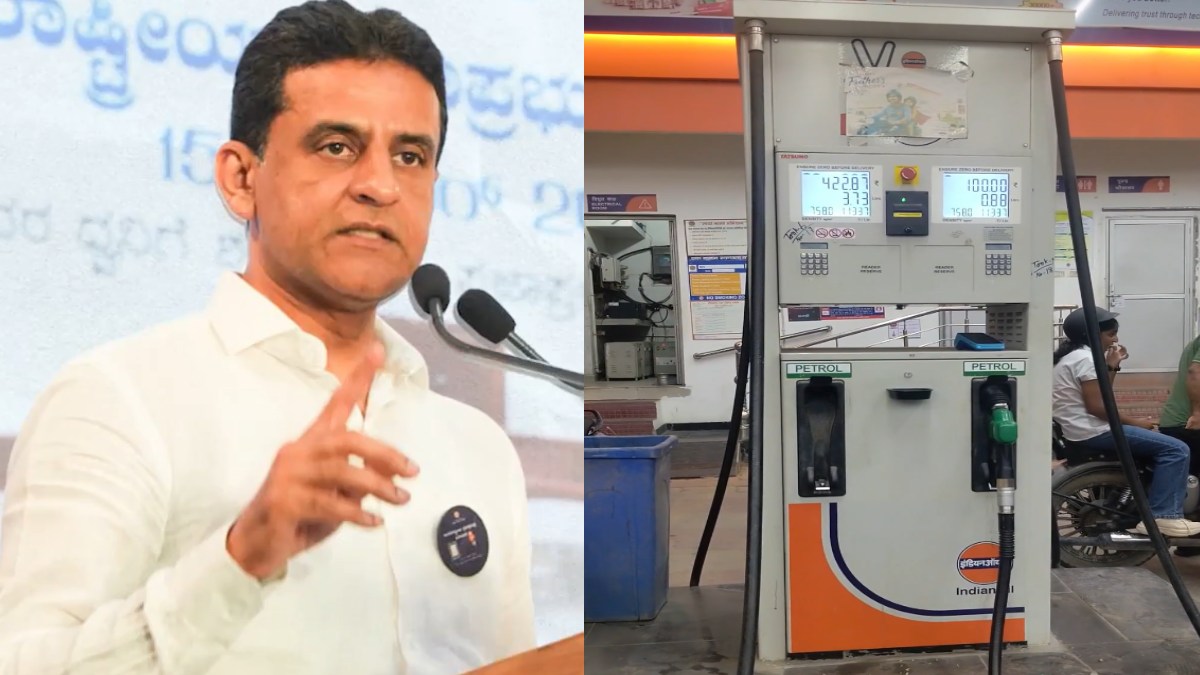
Petrol pump dealers in Madhya Pradesh and many other parts of India are worried about the proposed merchant discount rate (MDR) on UPI transactions, with some retailers saying that they will stop taking UPI payments above Rs 2,000 from October 15. It will also affect customers who have been using digital payments for fuel since the start of the month and who fill up their cars and two-wheelers with UPI regularly.
The dispute stems from a proposed 0.4% MDR on UPI transactions for fuel purchases. Petrol pump dealers are seeking full exemption from the proposed charge, due to the additional transaction cost that would increase the financial burden on fuel retailers. Dealers have explained that operating expenses have gone up while fuel commissions have not changed; they cannot absorb another payment cost.
If the proposed restriction is implemented, customers could continue to use UPI for small fuel purchases at participating outlets while payments above Rs 2,000 might be declined. Actual implementation will be different for each petrol pump dealer as they may be subject to the decisions of other regulators or industry bodies and/or government officers.
The All India Petroleum Dealers Association has also proposed a complete exemption from MDR on UPI transactions at petrol stations. Petrol pump operators have also argued that digital payment charges can have a direct impact on their margins, especially in a business where transaction volumes can be high and margins are closely tied to fuel commissions.
Petroleum dealers in Madhya Pradesh have also called for the proposed UPI-related charge to be dropped and demand that fuel sales be not covered in MDR. They are concerned at a time when UPI has become the most common payment method in India for daily transactions and fuel payments.
The issue has also attracted the attention of the Confederation of All India Traders (CAIT), which has expressed concern over the proposed decision by petrol pump dealers to stop accepting UPI payments above Rs 2,000. Any such restriction could create inconvenience for consumers who prefer cashless transactions and may particularly affect motorists making larger purchases.
For customers, this could require carrying cash or splitting payments if a petrol station doesn’t accept UPI if the price is too high for customers. A customer buying more than Rs 2,000 in fuel may have to use another payment method if the dealer follows up with the proposed restriction. This may be of particular interest to commercial vehicle operators, fleet owners, and drivers purchasing fuel in bulk.
And this also serves as a reminder that the cost of digital payments for merchants is still under debate. UPI has been accepted in India because it is easy and widely used, but businesses and merchant associations have in the past expressed concerns about payment infrastructure and transactions.
The proposed 0.4% MDR has since become a point of contention between fuel companies seeking to protect their margins and the digital payment movement. Petrol pump dealers are calling for fuel transactions to be completely exempt from the proposed charge while the October 15 deadline has raised questions about how consumers will be able to make larger digital payments at participating outlets.
For now, motorists should check the payment policies at individual petrol pumps for fuel purchases above Rs 2,000. The final decision on the implementation of the proposed restriction and the MDR exemption could determine whether UPI will still be available for higher-value fuel transactions after October 15.