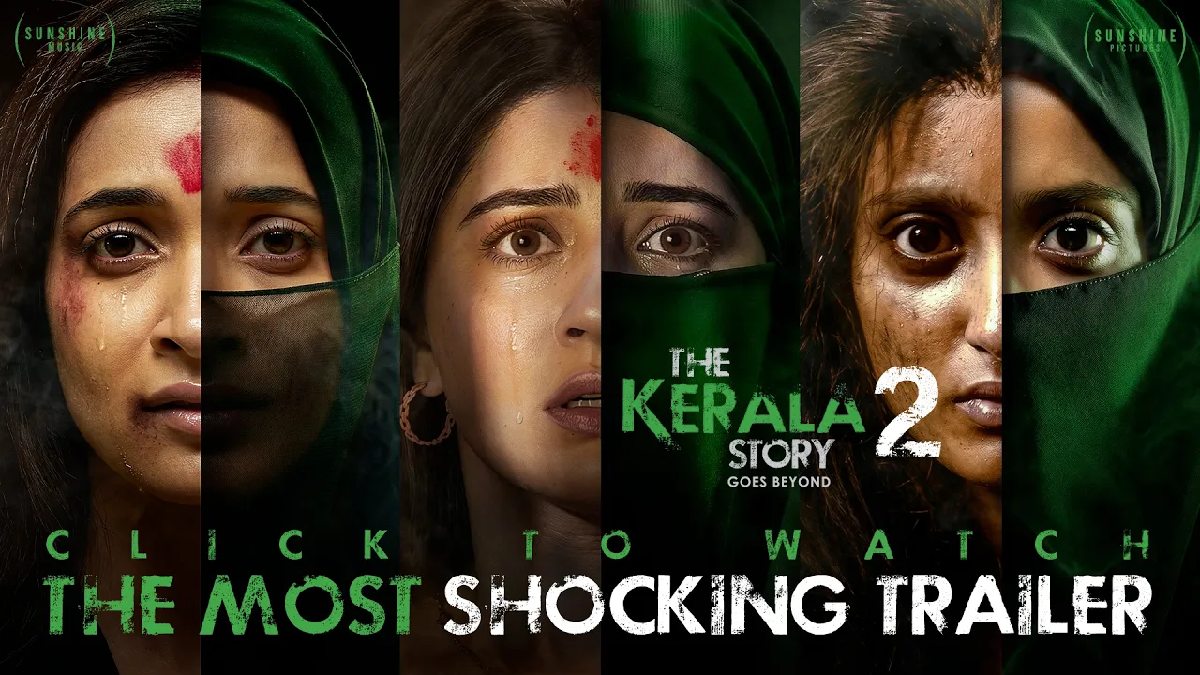
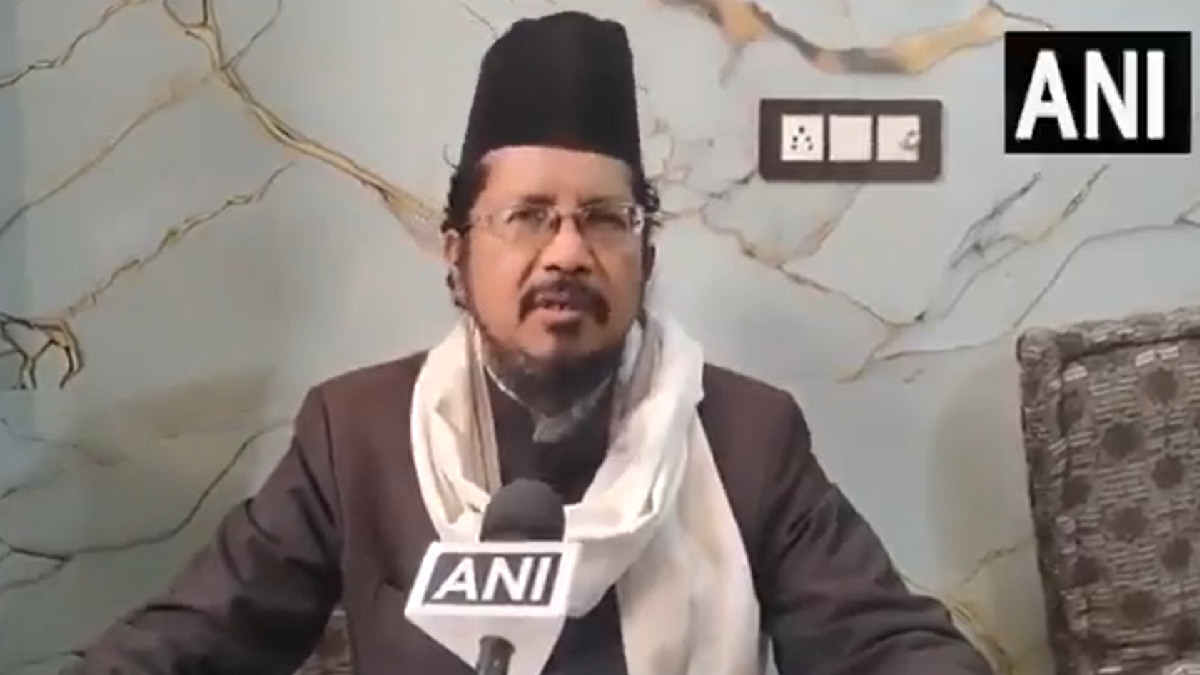
The problem surrounding the sequel to 'The Kerala Story', which will be released on 27 February 2026, is boiling over. Maulana Shahabuddin Razvi Bareilvi, one of the leading voices of the Barelvi movement, voiced his ire loudly at a media frenzy around Hindu film in India that is now being utilized to commercial gain.
A Threat to Social Fabric
Maulana Razvi said he had grave worries about the possible long-term effects like these on India's mosaic of social identity. "The films these days are fueling communal tension and shredding Hindu-Muslim brotherhood," he said. According to him, the sequel is part of what he referred to as "a planned effort" to paint the Muslim community in a negative light, and that could manifest itself in real-life hatred among people in certain communities.
#WATCH | Bareilly, Uttar Pradesh: On the film 'The Kerala Story 2', President of All India Muslim Jamaat, Maulana Shahabuddin Razvi Bareilvi, says, "The Kerala Story-2 is a story based on fake narratives, and nowadays a trend has started among film directors to earn money in any… pic.twitter.com/IL27dDJdN4
— ANI (@ANI) February 20, 2026
Global and Legal Pushback
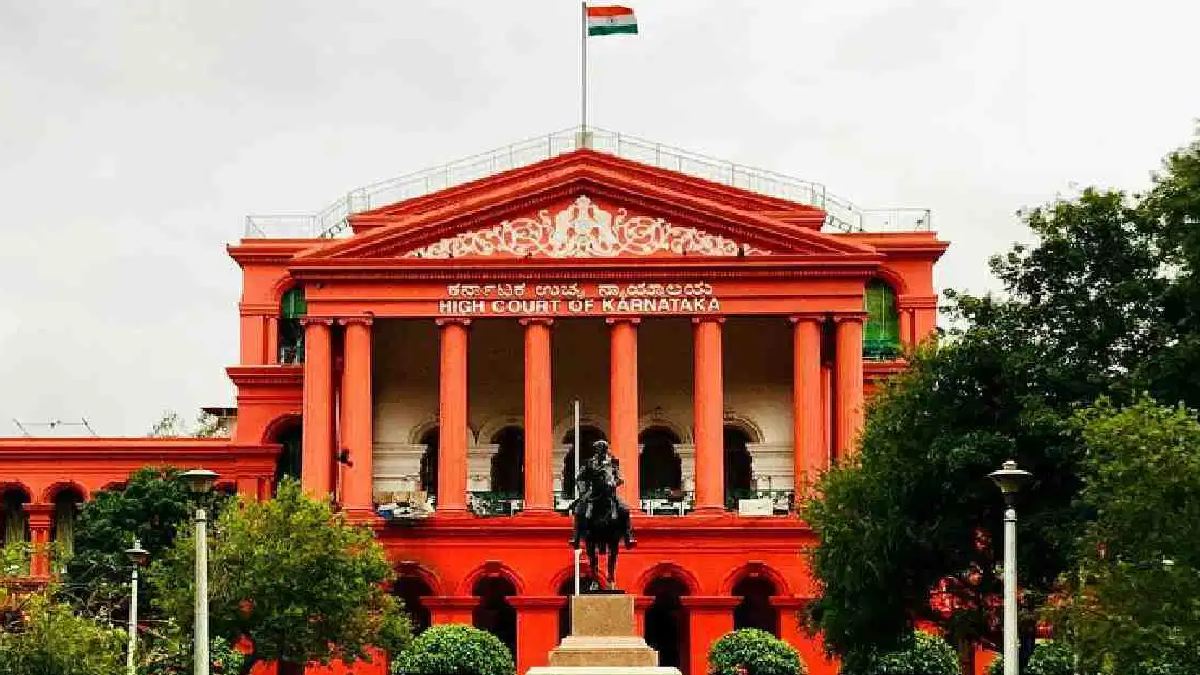
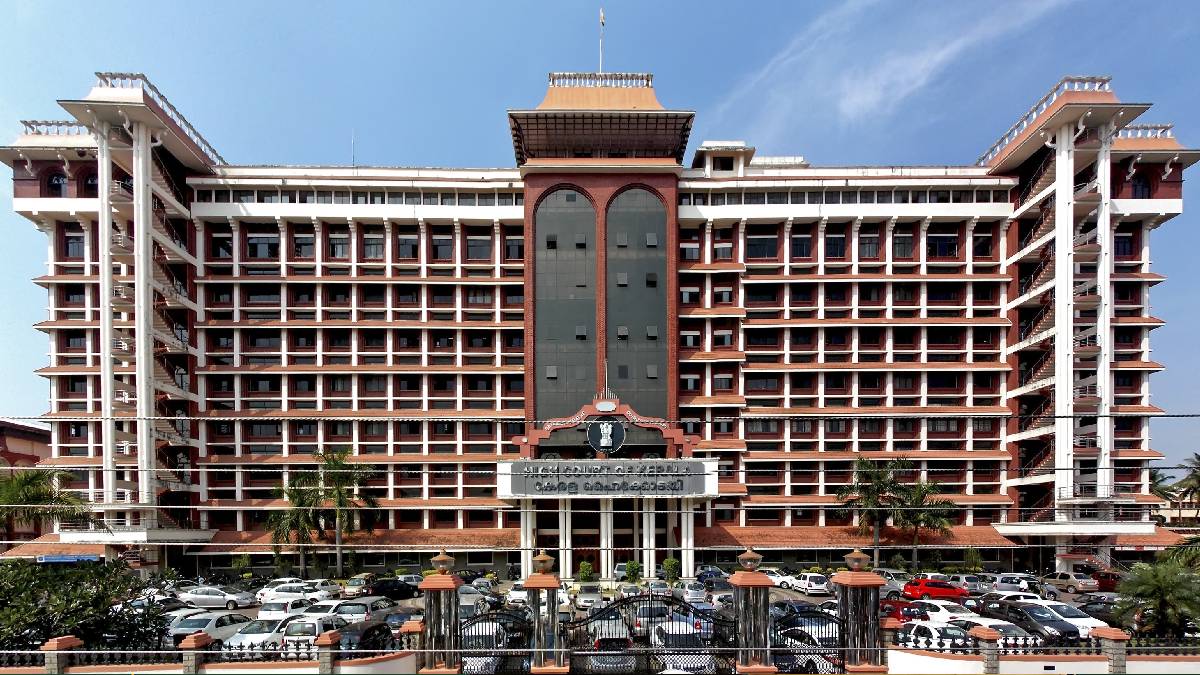
The Maulana’s comments come on months of mounting legal and political backlash against the film. The Kerala High Court recently directed the Central Board of Film Certification (CBFC) and the film’s producers, Sunshine Pictures, to issue notices after a petition described the film as “malicious” and “stereotypical.”
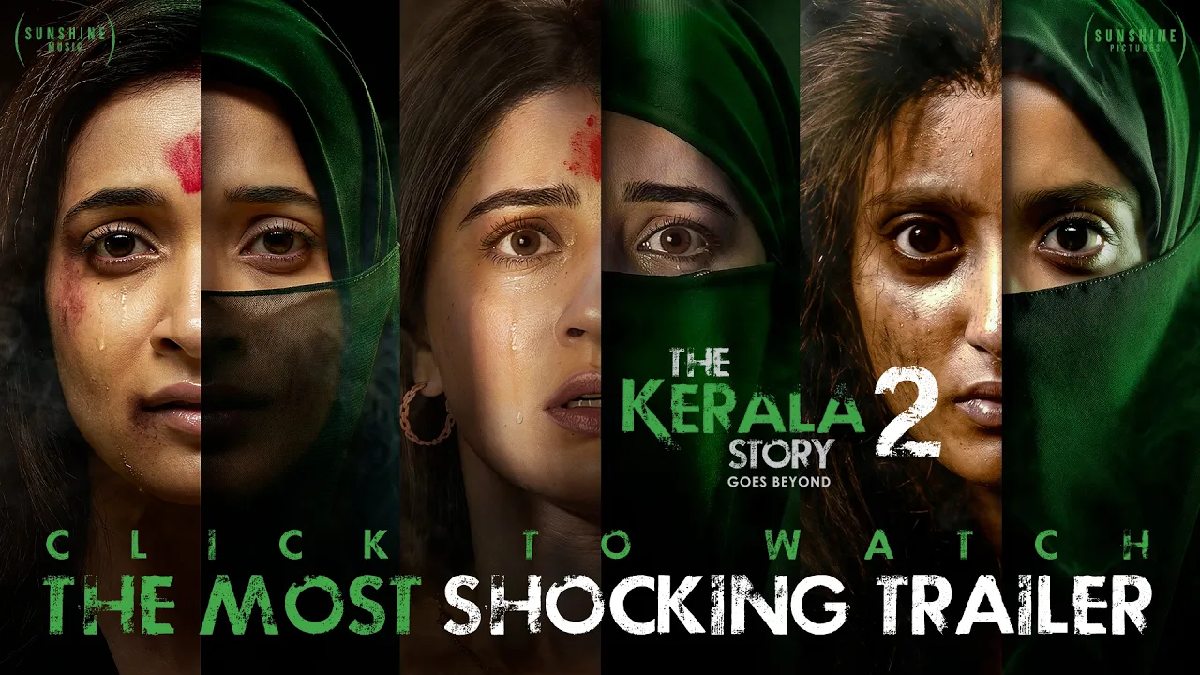
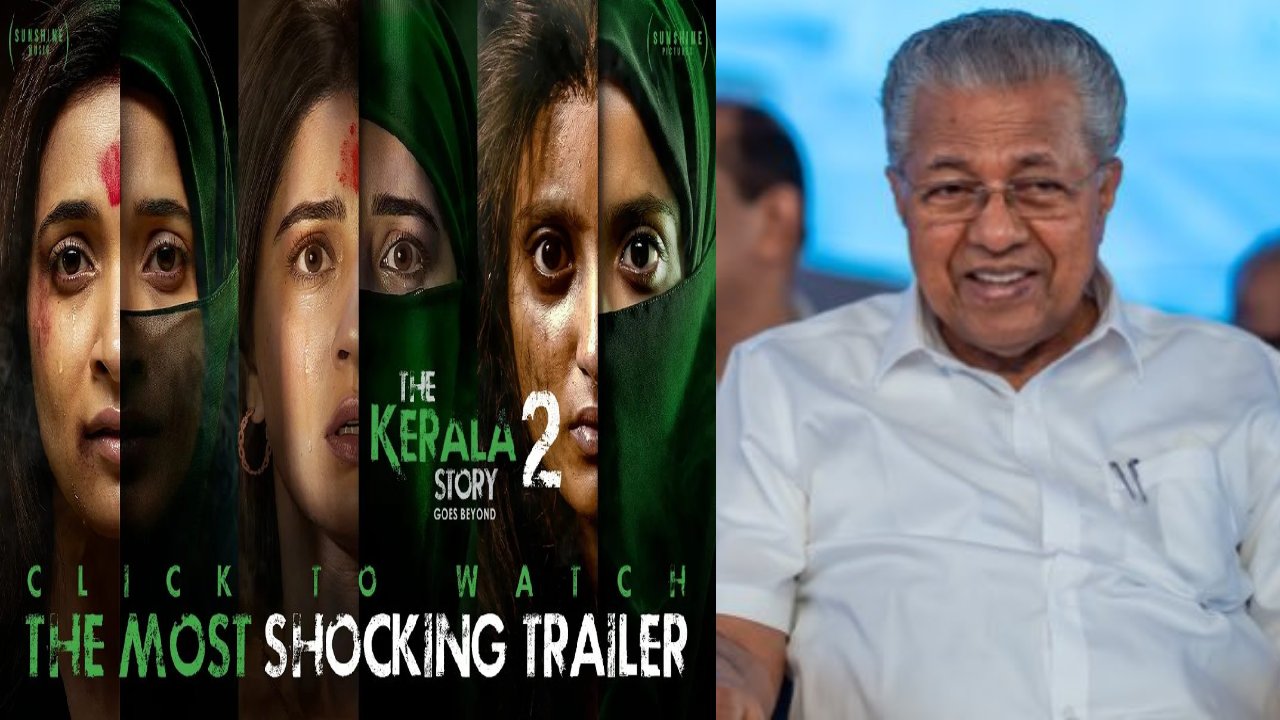
Politically, the movie has faced an undissenting constituency on the Kerala streets. Chief Minister Pinarayi Vijayan has called it “poisonous propaganda,” while Congress Party leaders have joined the chorus, accusing the makers of trying to vilify the state’s secular identity ahead of the Assembly elections in 2026.
Building On the “Conversion” Story
As opposed to the first film which was solely about Kerala, Kamakhya Narayan Singh's The Kerala Story 2: Goes Beyond now expands its scope to alleged cases of forced conversion in Rajasthan and Madhya Pradesh. While producer Vipul Amrutlal Shah insists that the film is a tool to “public awareness” and “protect daughters,” religious leaders like Maulana Razvi say that, without verified data, it is more a danger than an effective documentary.