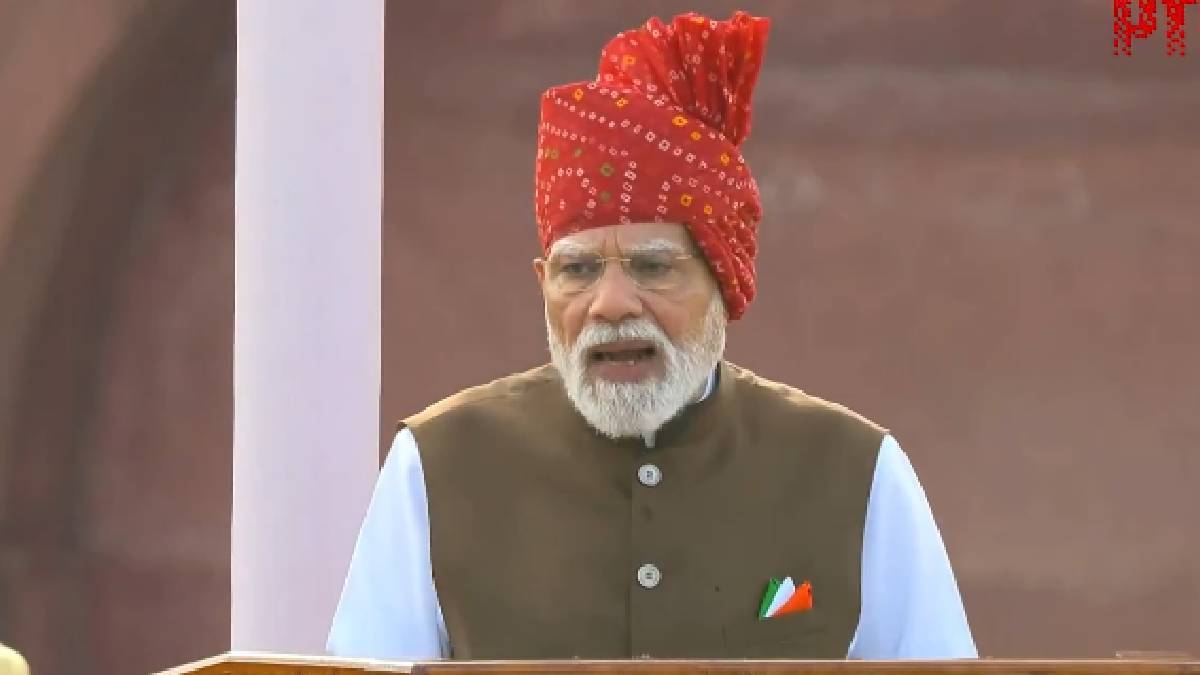
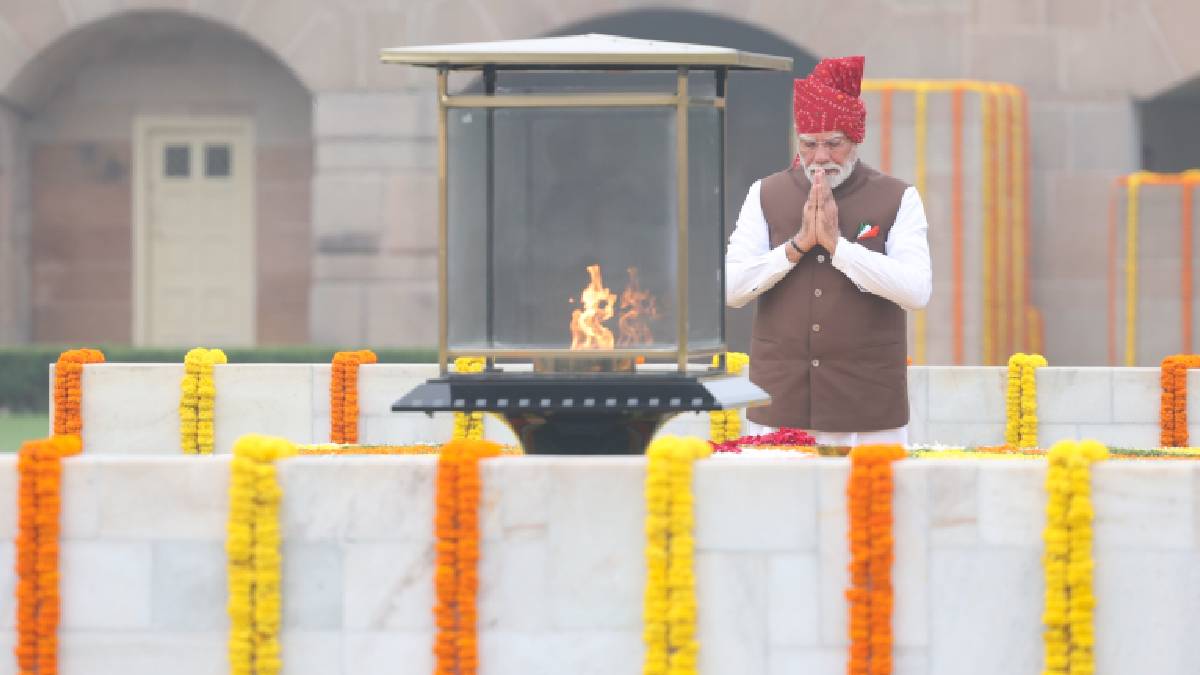
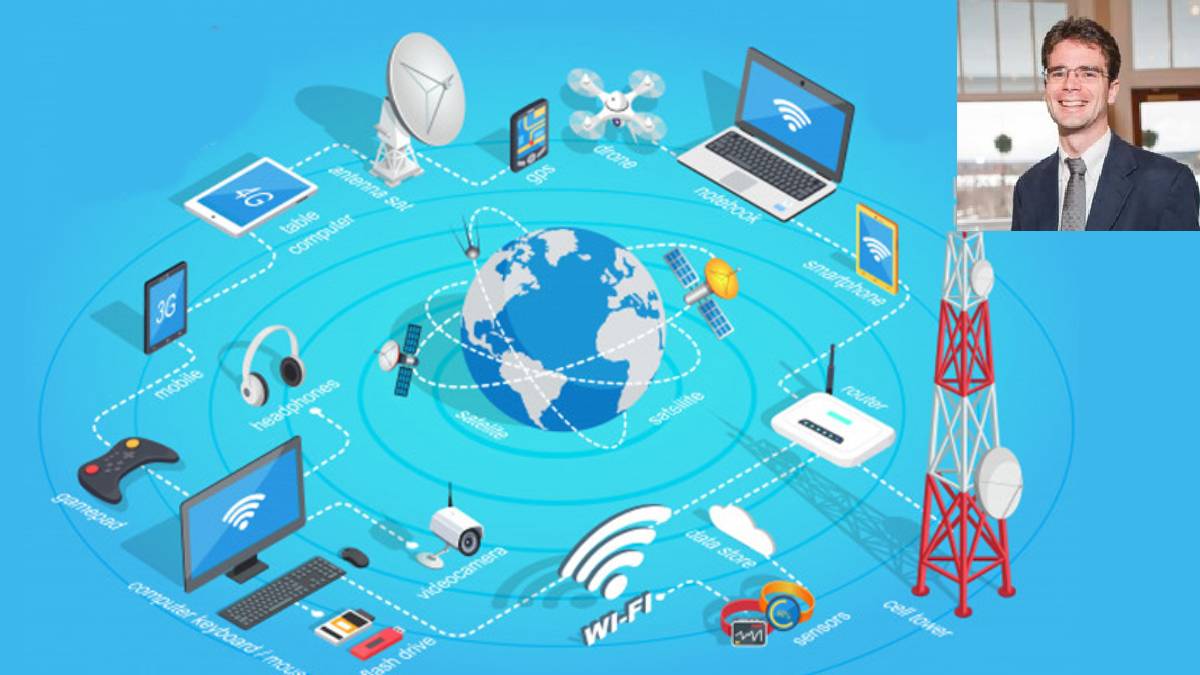
Narendra Modi on Wednesday marked the 11th anniversary of the Digital India programme, describing it as a transformation in governance, digital access and technology development that brought India to the global stage.
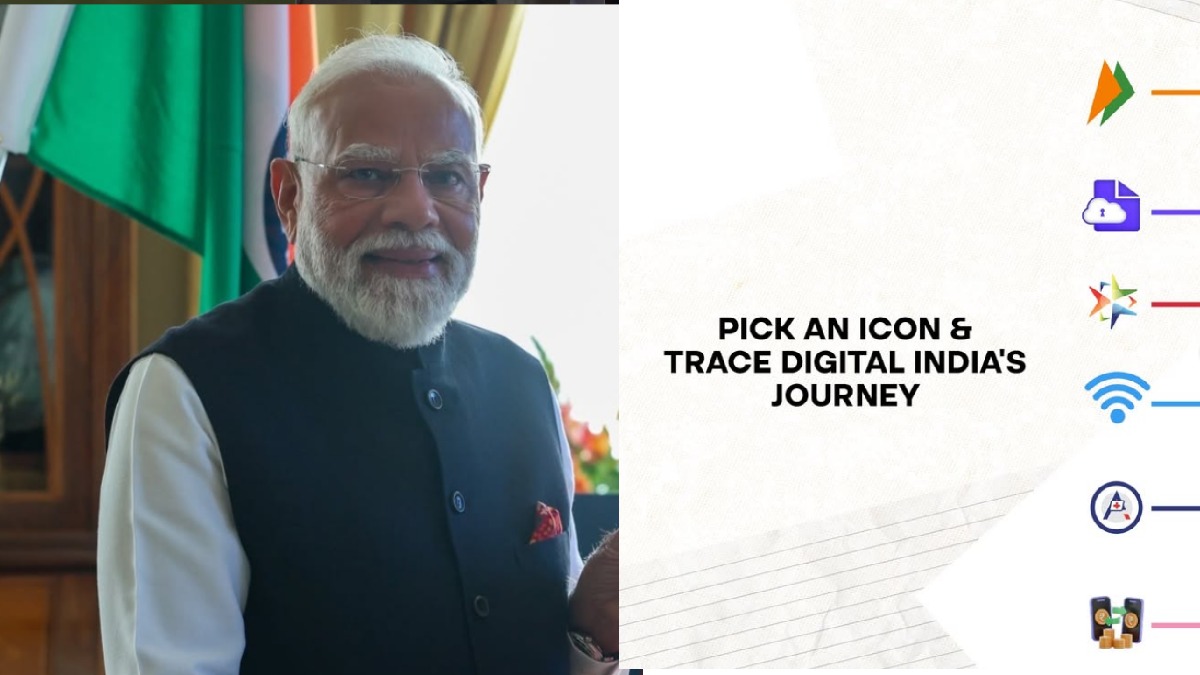
In celebration of the milestone, the Prime Minister posted a message on X, that says, "When more than one billion people embrace technology, the impact is transformative!" He also posted a video showing India’s digital transformation with the rapid growth of services such as digital payments, mobile banking, e-governance and online public platforms since the programme was launched in 2015.
Modi wrote in another post, “Digital India’s success has given India a new global identity and it’s a reflection of the determination of our citizens to embrace innovation and technology.”
He said the digital economy has become one of the major pillars of India’s development and is helping India become more connected, technologically advanced and self-sufficient. The Prime Minister stated that digital services for poor people have benefited greatly from this initiative and technology infrastructure across the country is being developed in every province.
As for the programme’s achievements, PM Modi said optical fibre networks were being extended, digital transactions were growing rapidly and technology has been getting involved with public service delivery. These developments have raised global consciousness about India’s digital shift, he said.
डिजिटल इंडिया के 11 वर्षों की सफलता से भारतवर्ष को दुनियाभर में एक नई पहचान मिली है। इससे इनोवेशन और टेक्नोलॉजी को अपनाकर देश को नई ऊंचाइयों पर ले जाने की देशवासियों की संकल्पशक्ति का पता चलता है।
— Narendra Modi (@narendramodi) July 1, 2026
विज्ञानसारथिर्यस्तु मनःप्रग्रहवान्नरः।
सोऽध्वनः पारमाप्नोति तद्विष्णोः परमं… pic.twitter.com/VhIRgvl4Jo
What is the Digital India Programme?
In 2015, the Digital India Programme was launched with nine key pillars that are aimed at the digital transformation of India to a digitally empowered society and knowledge economy: Broadband Highways, Universal Access to Mobile Connectivity, Public Internet Access, e-Governance, Electronic Delivery of Services, Information for All, Electronics Manufacturing, IT for Jobs and Early Harvest Programmes.
Over the last decade, the initiative has evolved into one of the world's largest Digital Public Infrastructure (DPI) ecosystems, integrating digital identity, online government services and digital payments.
One of its biggest success stories has been the Unified Payments Interface (UPI), which has made India the global leader in real-time digital payments. UPI now accounts for nearly 49% of all real-time digital payment transactions worldwide, ANI said.
Digital India has also contributed significantly to the country's economy. The digital economy currently accounts for 12–14% of the country's GDP and this share could be as high as 20% in the next decade.
Apart from digital payments, the programme has also helped to nurture rapid growth in startups, artificial intelligence (AI), cloud computing, cybersecurity and digital innovation. These sectors are the key areas that the government hopes would work towards its long-term vision of Viksit Bharat 2047 - India as a developed country.