Narendra Modi spoke at the 26th Shanghai Cooperation Organisation (SCO) Summit in Bishkek, Kyrgyzstan, and told the topic of regional security, terrorism, peace, connectivity and cooperation on the one hand and about international cooperation at the other hand.
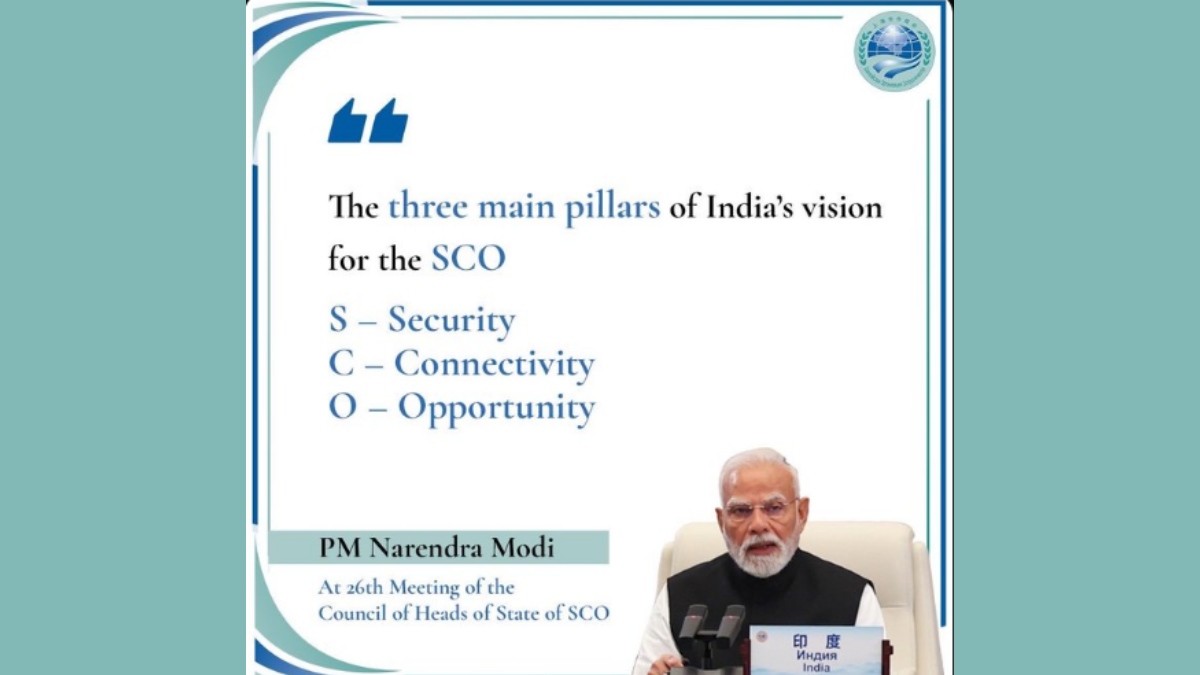
The country is at the brink of a very dynamic time for Eurasian nations and nations of the world so the region is facing political tension and conflicts and economic uncertainty and this is a problem that can affect countries of Eurasia at any given time. The prime minister used the platform to highlight India's commitment to peaceful multilateral cooperation and a secure, stable and connected region.
One of the main themes that PM Modi's remarks were the need for a strong and united approach to terrorism. India has always put counter-terrorism in the centre of its relations with the SCO and Modi told the audience about the need to reject terrorism, separatism and extremism. The message that he said is consistent with India’s long-standing position that terrorism is not only a threat to individual country peace and development but regional peace, economic development and international cooperation.
The Prime Minister’s emphasis on security is happening in an international context that is quite complicated. Political conflicts around the world, geopolitical competition and disruption of trade and supply chains have increased uncertainty for governments and businesses. India has argued that multilateral organisations like the SCO can help in this context and lead to dialogue and joint responses to common challenges.
Peace and diplomacy also played an integral part in India’s broader engagement at the summit. In his talks with the Russian President Vladimir Putin in Bishkek, Modi called for the end of “endless war” and to resolve the Ukrainian conflict. He repeated India’s support for all efforts toward peace and said continued warfare pushes humanity backwards.
Modi's message on peace speaks to India’s approach to diplomacy as a whole through dialogue with different countries and in favour of dialogue and peaceful resolution of international disputes. His interaction with Russia on the sidelines of the SCO Summit was particularly significant given India's long-standing partnership with Moscow and the continued international debate over Ukraine.
The SCO is also very much about regional connectivity and economic cooperation and hence, is relevant to India’s SCO agenda. Connectivity is a key issue, especially to trade, investment and people-to-people exchanges, because the organisation brings together countries in a large part of Eurasia. India has come to emphasize that the development of economic growth and the development of national economy is very much dependent on secure, reliable and transparent connectivity routes that are open in nature without infringing on the sovereignty and territorial integrity of the countries involved.
The Prime Minister's part also underscored India's growing ties with Central Asia. Kyrgyzstan is part of a four-day trip he took to Uzbekistan where he met President Shavkat Mirziyoyev. The visit is part of India’s strategy to enhance its partnerships with Central Asian countries in areas like trade, energy, digital technology, infrastructure and security.
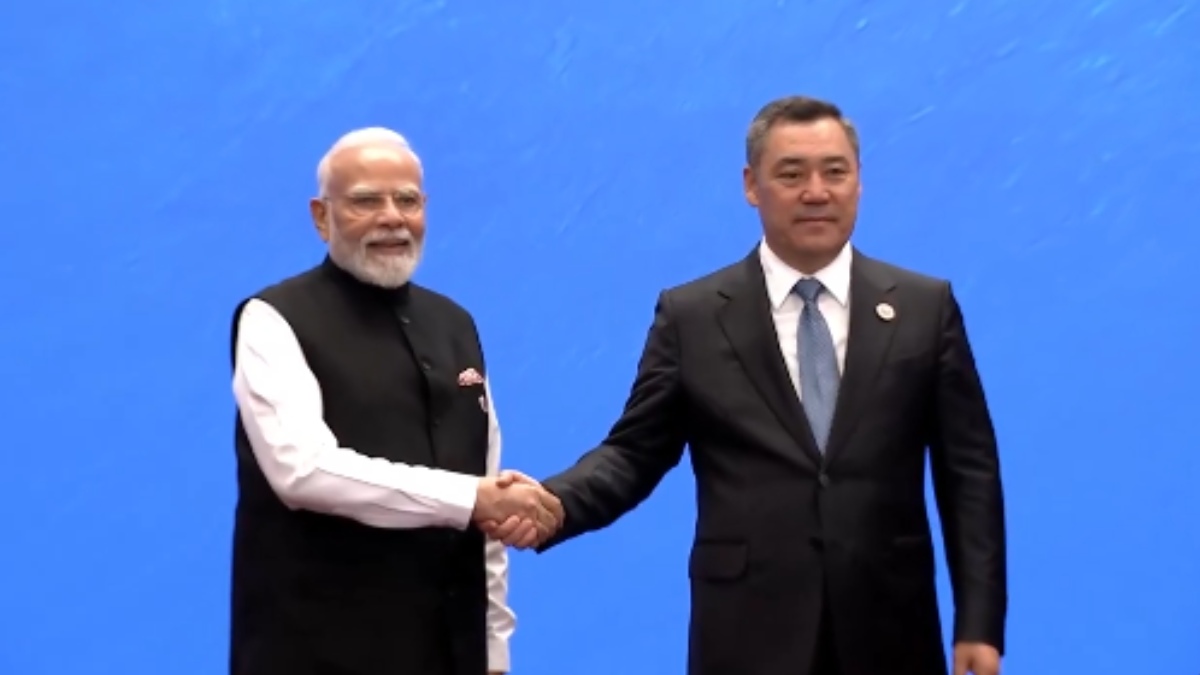
The SCO Summit also allowed India to meet some important world leaders. Modi discussed with Kyrgyz President Sadyr Zhaparov and other leaders during the trip. His visits to Bishkek point out that even through the presence of multilateral summits, different bilateral discussions can take place on specific areas of cooperation.
#SCO #SCOSummit #SCOSummit2026 #PMModi pic.twitter.com/AXClrOdoaE
— DD News (@DDNewslive) September 1, 2026
Another interesting aspect of the summit was Modi interacting with Chinese President Xi Jinping and Russian President Vladimir Putin. Images and reports from the summit showed the leaders greeting each other and that dialogue is still important among the major powers in SCO.
India is a member of the SCO to pursue its interests in Eurasia and remain free of interference in the world. India joined it full-fledged in 2017 and has since then used the grouping to raise issues related to terrorism, regional stability, connectivity, economic cooperation and cultural exchanges. And so the 26th summit would be an even bigger step forward for New Delhi in this regard - to lay out its priorities and contribute to the debate of the future of Eurasia.
The summit comes at a major time in the development process of the SCO as its membership is more than 1.5 billion. The organisation is an international body with a wide geographical distribution and diverse membership and has the challenge of negotiating the interests of different countries and mutual concerns. A security, peace, economic prosperity and connectivity-led approach to cooperation within the grouping is India's approach to strengthen practical cooperation.
PM Modi's speech and diplomatic visits to Bishkek underline India’s interest in being a part of the discussion in Eurasian countries. From fighting terrorism to enabling peace and facilitating economic and connectivity opportunities, India’s goals at the 26th SCO Summit are part of a bigger picture of a stable and cooperative region.
#SCO #SCOSummit #SCOSummit2026 #PMModi pic.twitter.com/hng3Gld3hw
— DD News (@DDNewslive) September 1, 2026
When the summit concludes, it will be up to member states to make decisions and commitments at the end that will be used to make use of it and translate from the meeting into working towards that. So for India the Bishkek summit has served as another major stage to reinforce its security concerns, to deepen dialogue and to build ties with countries in Central Asia and the wider SCO.