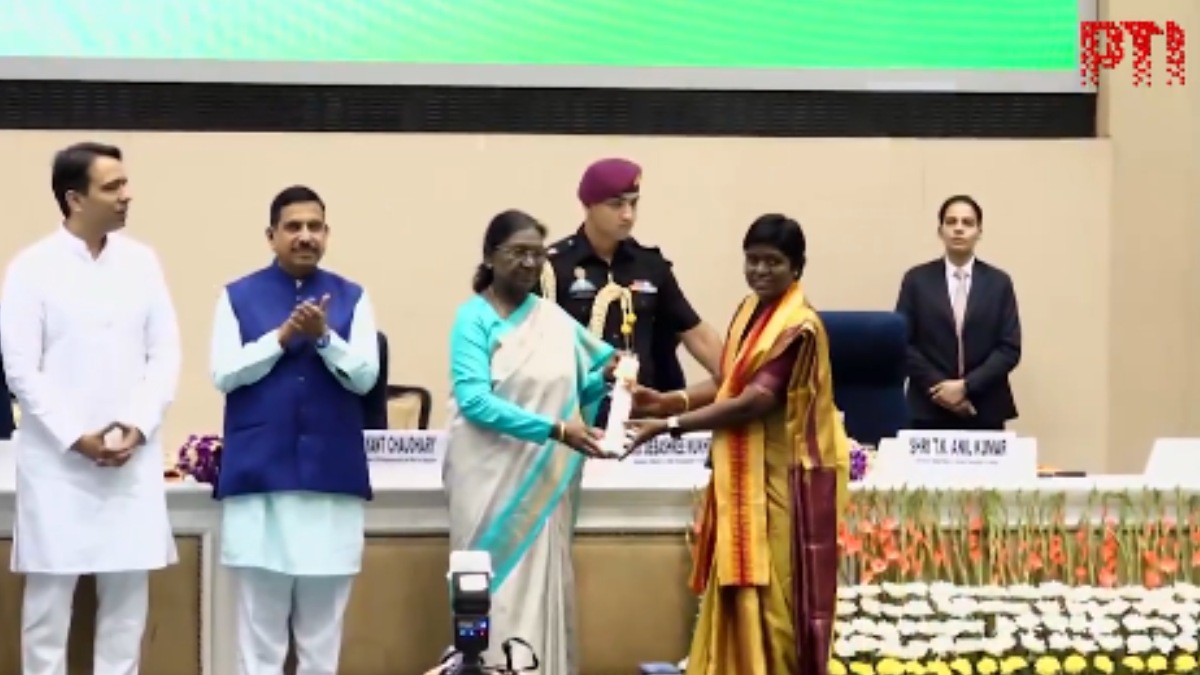
Narendra Modi met National Teachers’ Award winners at 7, Lok Kalyan Marg and reminded students that it is important to understand students beyond textbooks, encourage creativity and address issues such as excessive screen time and drug use.
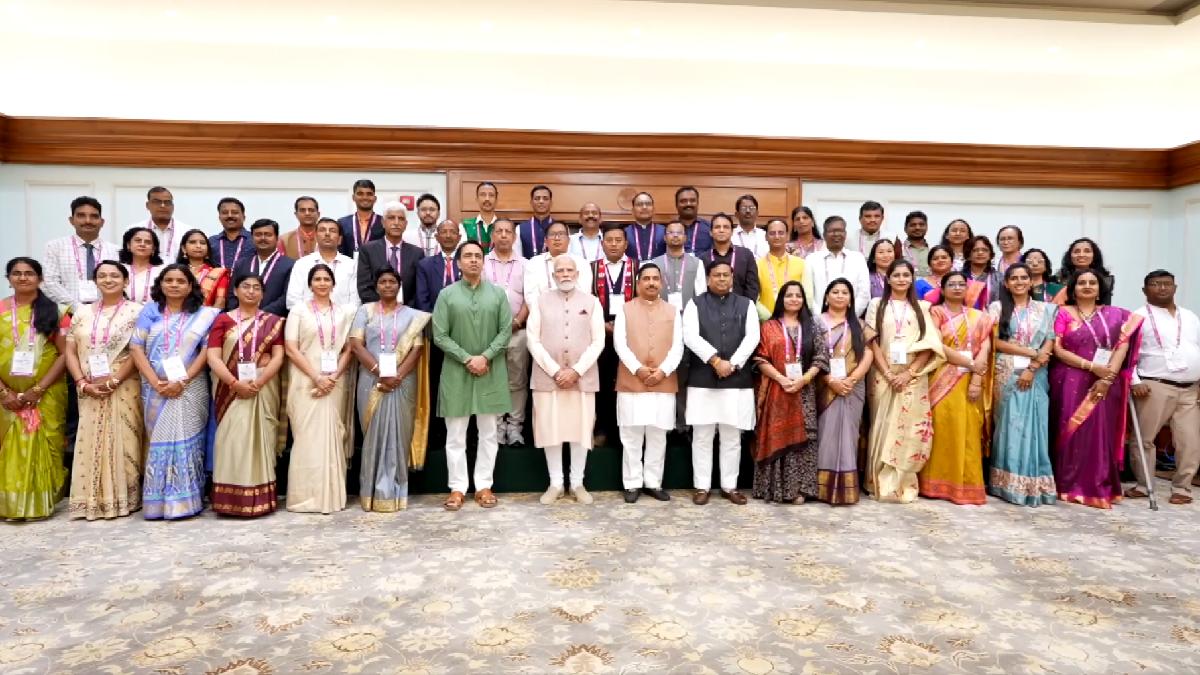
Narendra Modi met the National Teachers’ Awards recipients in his official residence at 7, Lok Kalyan Marg, New Delhi, on Friday as part of the Teachers’ Day celebrations. The Prime Minister highlighted the transformative role teachers play in children’s lives and advocated for a better education model that goes beyond classrooms, textbooks, and syllabi.
Teachers’ Day is celebrated on September 5 to celebrate the birthday of the former President, philosopher, and educationist Dr. S. Radhakrishnan. Modi paid tribute to Dr. Radhakrishnan and said that it is essential to be teachers because they build society and prepare the younger generations to take over from him.
The Prime Minister also shared some of his interactions with the award-winning teachers on social media. Teachers’ Day was a great day to remember Dr. Radhakrishnan and highlight the highlights of the meeting at 7, LKM, he said.
The most important issue discussed during the interaction was the increasing amount of time children spend on digital devices. PM Modi was concerned about the excessive screen use of children and said screen time is becoming an addiction. It was suggested that kids play outdoor sports to help them reduce their dependency on screens gradually, he said.
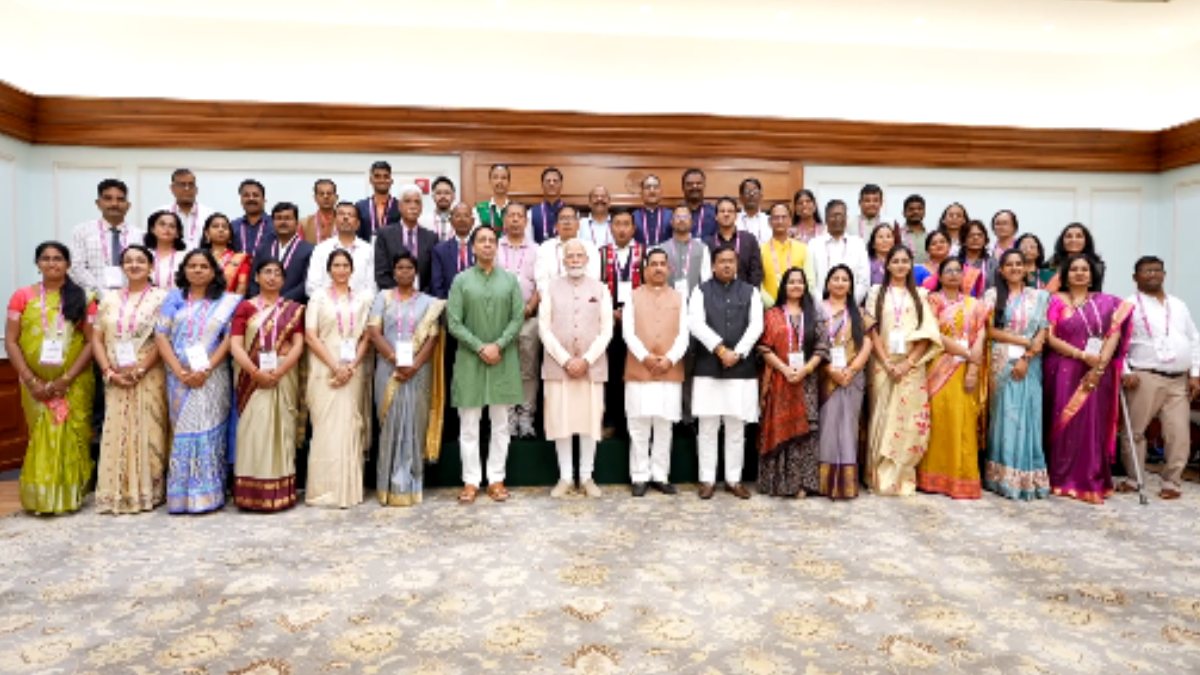
The Prime Minister explained that he was not referring to video games, but to physical sports, as he said that the field should be a place where children can play. So it’s important that we give children opportunities to play on the field, he said. He also called for more creative activities to be more involved in children's activities and that such efforts should be made to be part of children’s daily lives and not as an occasional programme.
PM Modi also urged teachers to be able to understand students beyond academic material and to understand them in a deeper way. Educators should not limit their interaction with children to textbooks and examination-oriented syllabi, he said.
The Prime Minister stressed the importance of preserving childhood and keeping kids curious and creative. “Teachers have a role,” he said, to make sure that the innocence and creativity that children find in childhood are not diminished under academic pressure.
The award-winning teachers’ innovative teaching methods were discussed in the classroom, and a number of innovative teaching innovations were provided in the interaction. One teacher talked about how students are asked to talk to their parents about everyday stuff like food, decisions about what to eat, what the family budget is, and what to do in the home. Students can see their surroundings, ask questions, and develop communication and reporting skills through these exercises, the teacher said.
Another teacher shared methods to develop students’ confidence and public speaking skills. PM Modi even asked the teacher about qualities required to be a good public speaker during the conversation, and the teacher highlighted that confidence and consistent practice are critical factors in developing good communication skills.
One of the most central themes of the discussion was to identify every child's unique talents as well. PM Modi said students are unique in their abilities, strengths, and challenges, and teachers need to recognize them. The approach he suggested should be to help children discover their potential instead of measuring every student on the same set of criteria.
Several teachers also talked about their work with first-generation learners to help them to become professionals (e.g., to go into engineering and medicine). Their experiences were illustrative of the role teachers can play in developing students’ dreams and in helping children from different backgrounds to envision new possibilities for themselves.
The conversation also touched on social and health-related issues affecting young people. Teachers shared initiatives related to breast cancer awareness, hygiene, and responsible use of technology. PM Modi also spoke on drug use among young people and encouraged teachers to be on the lookout for students’ behaviour so that problems could be identified at an early stage.
#TeachersDay is about appreciating the strong contribution of teachers to our society. It is also a day to pay homage to Dr. S. Radhakrishnan.
— Narendra Modi (@narendramodi) September 5, 2026
Here is what happened when the National Teachers' Awards winners were invited to 7, LKM yesterday…. pic.twitter.com/LtXTvHiQoQ
The Prime Minister also told National Teachers’ Award recipients to keep in touch with one another through social media and other media. He suggested that teachers share successful classroom practices and innovative ideas so that teachers all over the country can take them from the classroom and apply them to their own students’ needs.
National Teachers’ Awards recognize teachers for their dedication, innovation, and service to the betterment of education and the lives of students. PM Modi’s interaction with the awardees illustrated that the job of a teacher goes beyond the teaching of knowledge and is to provide mentorship, character development, creativity, confidence, and the identification of individual talent.
The meeting also reaffirmed the much larger message of Teachers’ Day that good education is not just about teaching a syllabus. Teachers can help students learn to be more confident and capable people if they understand children, explore their hobbies, and open up opportunities beyond what they know from the classroom.