As we approach the end of August, passenger vehicle sales in India have become cleaner and alternative to petrol cars as compared to petrol cars. Cars driven by cleaner or alternative fuel technologies made up 42% of passenger vehicle sales in August, compared to 41% for petrol.
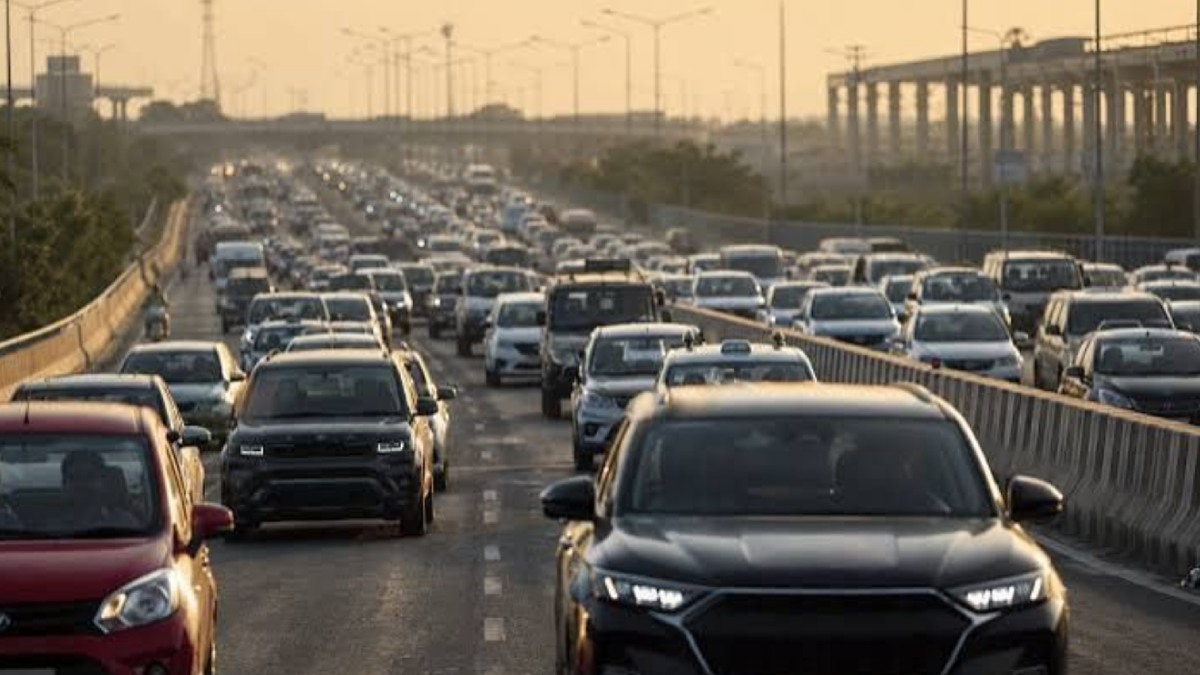
For decades, the huge choice of petrol-powered cars for private customers has been a mainstream one; it is widely available, has a well-established refuelling infrastructure and prices are different. This has led to a narrowing in the market of petrol vehicles versus cleaner fuels, and therefore a change in the market.
The cleaner-fuel category may include different types of vehicles, depending on how industry data is classified. These might be electric vehicles, compressed natural gas models, hybrids, or vehicles with alternative or more efficient powertrain technology. Their combined share shows that India’s transformation to cleaner mobility is not a single technology.
Electric vehicles have attracted much attention recently due to a growing awareness about emissions, improving charging infrastructure and an increasing range of models. Other technologies like hybrids and CNG vehicles have also played a crucial role in the transition away from petrol-only cars.
For consumers, the increased choice of alternatives is making the choice between powertrains more complicated. In the future, petrol, diesel, CNG, hybrid and electric vehicles will be available and buyers can choose between them based on purchase price, running costs, driving patterns, charging or refuelling infrastructure and long-term ownership.
The August figures also emphasize the importance of affordability in India’s automobile transition. Passenger vehicle buyers are still very sensitive to prices, financing costs and operating expenses. Cleaner-fuel technologies can entice consumers if their savings on fuel and maintenance offset higher upfront costs or manufacturers offer competitive pricing.
Cars’ taste for greener vehicles has evolved and so manufacturers have multiplied their cleaner options. Big manufacturers are offering multiple powertrain options so customers can select the right one for them based on their needs. Some companies are investing heavily in electric cars and others hybrid, CNG and conventional powertrains as part of the larger transition plan.
Hybrid vehicles have emerged as a bridge between conventional internal combustion and fully electric transportation. Such vehicles have integrated an engine with electric power so as to improve the efficiency of the engine without the need for the consumer to depend on the electricity grid. Their proliferation has added to India's cleaner-driving market.
CNG vehicles continue to be attractive for consumers seeking low running costs and an alternative to petrol. That is supported by an increasing number of CNG stations across the country. But the availability of such infrastructure is regional in nature so the practicality of different cleaner-fuel technologies is dependent on where the consumers live and drive.
The rise in cleaner-fuel vehicles could also have implications for India’s energy consumption and environmental objectives. Road transport is the biggest source of fuel demand and urban emissions and so changes in passenger-vehicle powertrains are part of a much larger picture in improving air quality and reducing the dependency on fossil fuels.
But the August milestone should not necessarily be the end of petrol's dominance as a major market force. Monthly sales shares may vary as a result of new models being launched, discounting being offered, supply and festive demand changing and so are consumer preferences. Petrol vehicles are well established and have a vast infrastructure in India.
But the fact that cleaner-fuel vehicles accounted for 42% of passenger vehicle sales is a major market signal. A 1% lead over petrol is small, but it is significant when looking at the record of petrol vehicles.
The development could help automakers accelerate investments in cleaner technologies, improve product availability and compete more aggressively on pricing. And it might also encourage more investment in charging networks, CNG infrastructure and other supporting systems required for alternative powertrains.
But with competition more prominent, consumers could eventually see more choices for which price point to buy. Cleaner fuel cars could become more available with manufacturers as they build their businesses and consumers who have previously taken petrol cars as a practical option.
India’s automobile industry is at a new stage in which the definition of a mainstream passenger vehicle is changing. The August sales numbers indicate that cleaner-fuel technologies are no longer a niche part of the market. They have now become direct competition with petrol cars and have become a critical part of the country’s mobility landscape with a 42% share.
Whether this August milestone becomes a sustained long-term trend will depend on vehicle prices, infrastructure development, consumer demand, government policies and technological improvements. But for now, the numbers tell us that India’s passenger-vehicle market is becoming more diverse—and cleaner-fuel vehicles are at the heart of that shift.