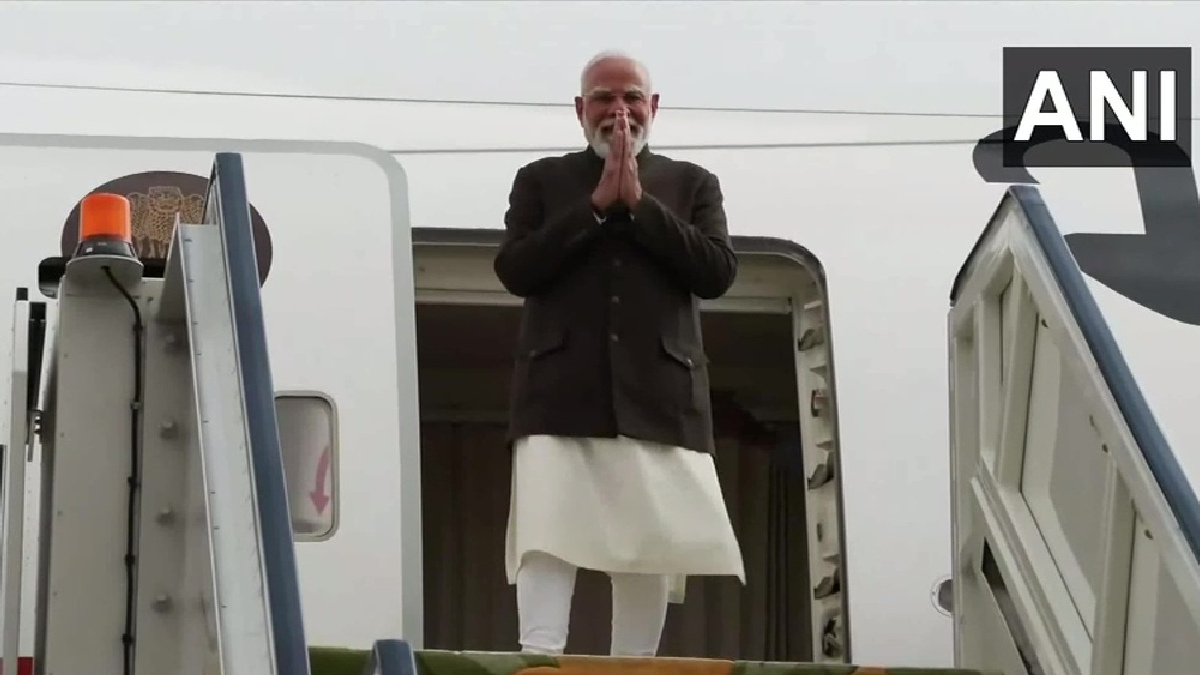
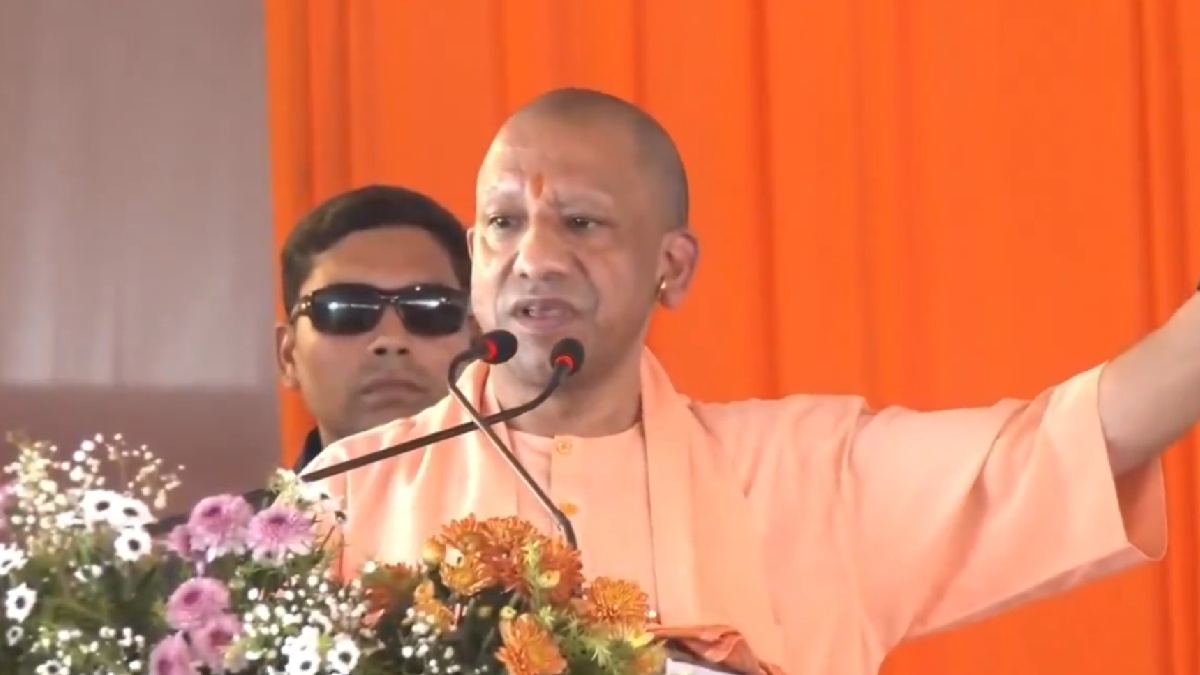
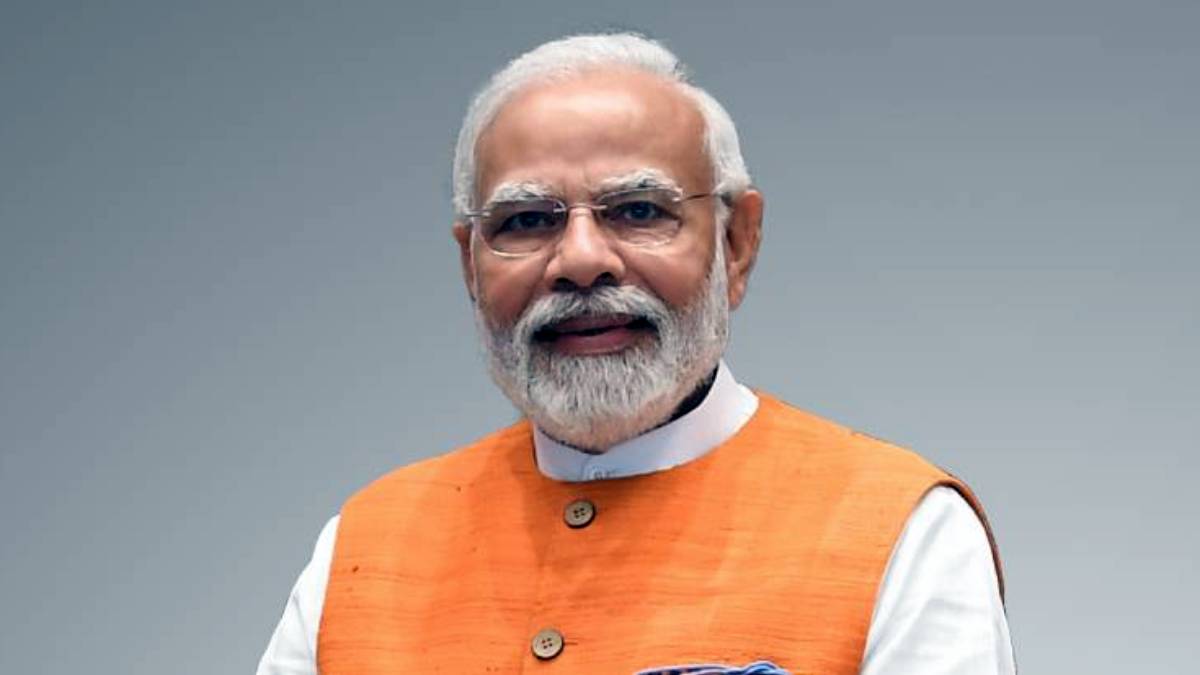
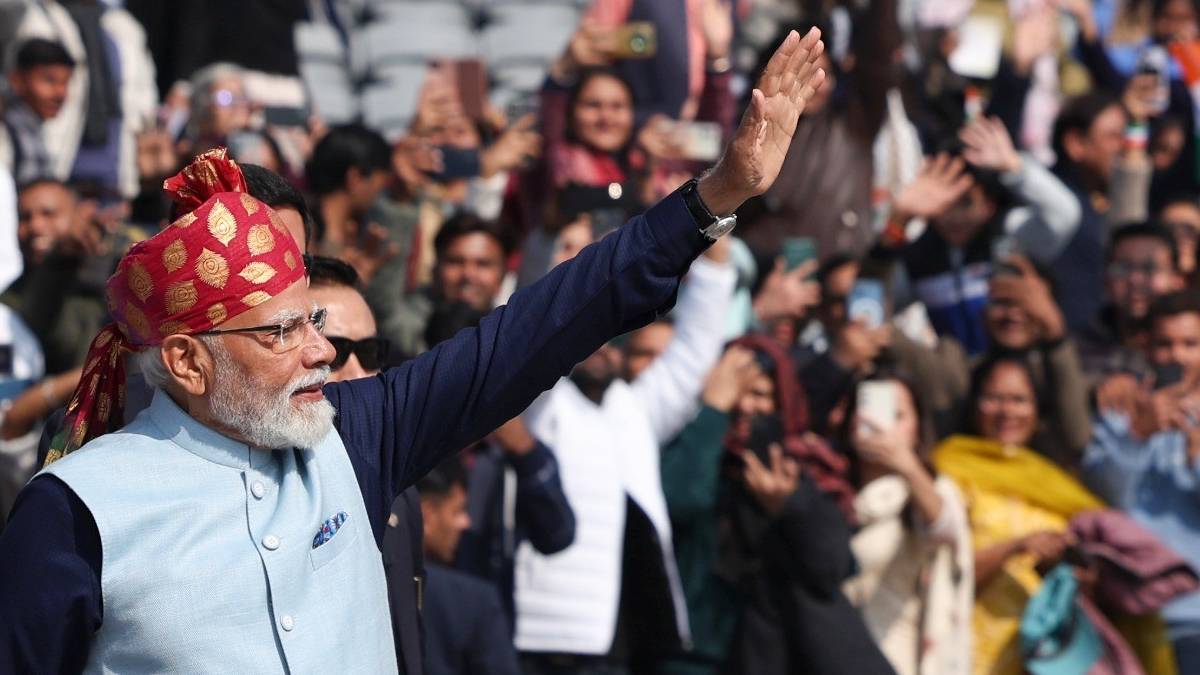
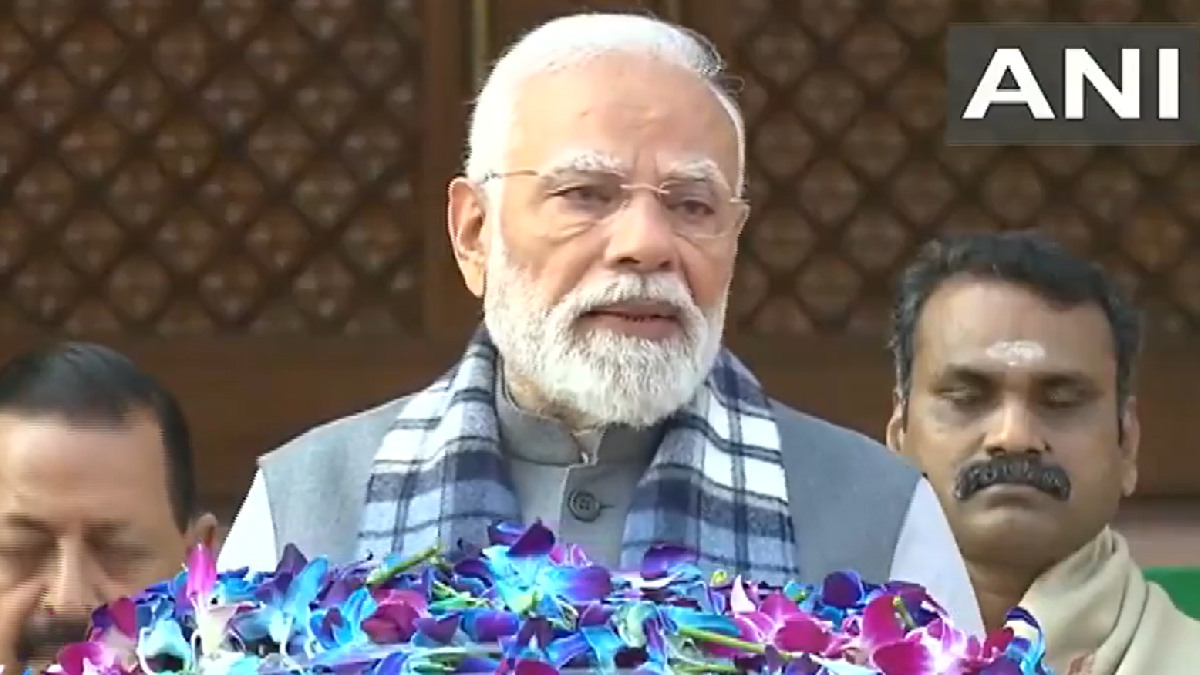
As the Indian Parliament gears up for its crucial Winter Session, Prime Minister Narendra Modi set a clear and assertive tone, urging the opposition to prioritize "delivery over drama" and constructive legislative work over disruption. His remarks, made traditionally before the start of the session, underscored the government's focus on a robust economic and legislative agenda and a pointed message against the routine stalemates that have plagued previous sessions.
The Central Theme: Policy over Protest
The Prime Minister's message comes against a backdrop of the ruling party’s recent electoral success in key state polls and the opposition's strong intent to raise contentious issues, particularly the Special Intensive Revision (SIR) of electoral rolls, the Delhi blast, and national security concerns.
- Focus on Outcomes: Modi stressed that Parliament is a place for 'neeti' (policy), not 'naara' (slogan). He emphasized that the nation expects accountability and positive outcomes from its lawmakers.
- A Caustic Remark: The Prime Minister directly addressed the opposition's perceived frustration over "serial election losses," suggesting that Parliament should not be used as an arena to vent electoral anguish. He highlighted the disappointment of first-time and young MPs who often lose their chance to speak due to procedural disruptions.
- Plea for Productivity: The core of the appeal was to ensure maximum legislative productivity, setting the stage for the government to push through its extensive list of reforms.
The Government’s Aggressive Legislative Agenda
In contrast to the opposition’s focus on confrontation, the government has lined up a heavy legislative and financial agenda, signaling its intent to utilize the session for high-impact economic and regulatory reforms. At least 13 key bills are on the agenda for the session, which is scheduled to have 15 sittings over 19 days.
Major Bills in Focus:
1. Economic & Financial Reforms:
- Insurance Laws (Amendment) Bill, 2025: Seeks to potentially increase the Foreign Direct Investment (FDI) cap in the insurance sector to 100%, a major move to liberalize the sector.
- Securities Markets Code Bill, 2025: A significant proposal aimed at consolidating three separate laws governing India's capital markets into a single, unified code to streamline compliance.
- Jan Vishwas (Amendment of Provisions) Bill, 2025: Focuses on decriminalizing a wide range of minor offences to improve the ease of doing business.
2. Taxation and Revenue:
- Central Excise (Amendment) Bill, 2025 and Health Security se National Security Cess Bill, 2025: These bills propose a new taxation framework for "sin goods" like tobacco and pan masala, replacing the existing GST compensation cess with a revised excise levy to secure stable revenue for public health and national security.
3. Strategic and Infrastructure Bills:
- Atomic Energy Bill, 2025: This is a keenly watched bill, as it is expected to pave the way for private sector participation in India’s civil nuclear energy framework.
- Higher Education Commission of India Bill, 2025: Aims to reform the higher education landscape by setting up a regulatory commission.
4. Potential for Gridlock: The Opposition’s Stand
Despite the Prime Minister's appeal, the prospect of a stormy session looms large, as the opposition bloc has unified its stand on demanding debates on several critical issues.
- The SIR Controversy: The Special Intensive Revision (SIR) of electoral rolls has emerged as the most contentious issue, with key opposition parties warning that they will not allow the House to function unless a discussion on the alleged irregularities in the process is permitted.
- National Security: Concerns over national security, especially in the wake of the recent Delhi blast, have been flagged as a priority for debate.
- Other Issues: The opposition is also keen to discuss issues of rising air pollution in the capital and the economic concerns of farmers.
The success of the Winter Session will ultimately hinge on the government's willingness to allow space for discussion on the opposition's concerns, and the opposition's willingness to balance protest with participation in the legislative process, heeding the call for "delivery, not drama."