Narendra Modi and China’s President Xi Jinping will hold a high-profile bilateral meeting on the eve of the BRICS Summit in New Delhi today, on the sidelines of which India and China are in the process of restoring and rebooting relations after years of border tension.
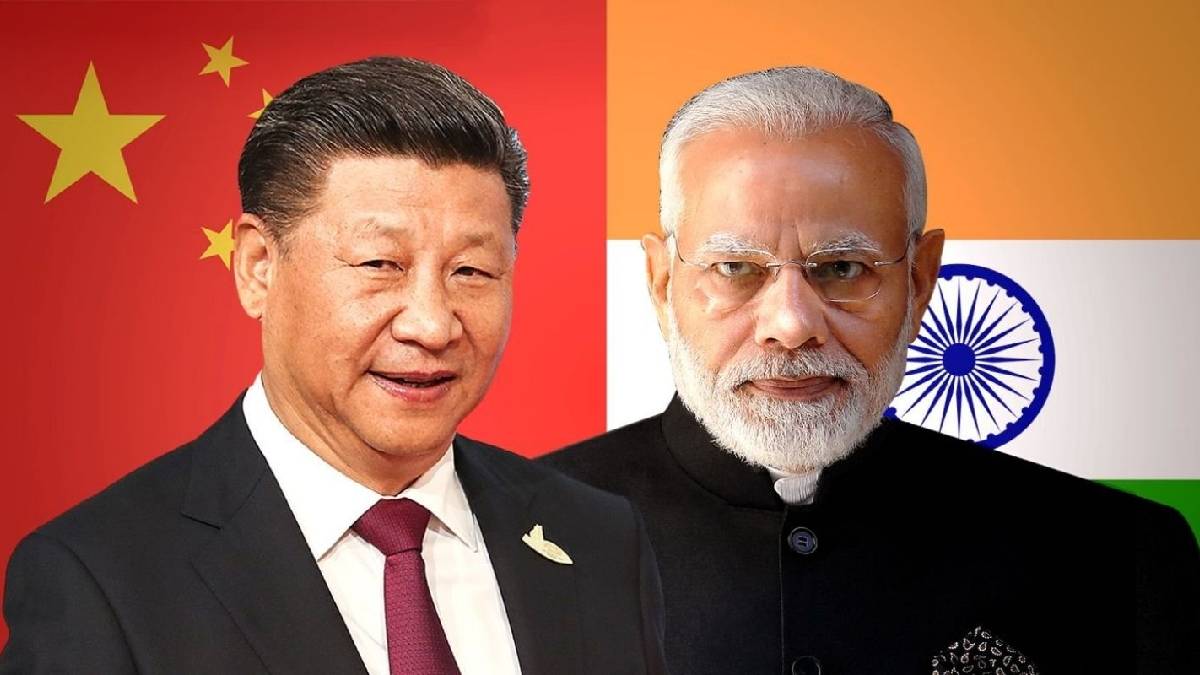
The occasion of Xi Jinping's visit to India is very special as it marks his first visit in nearly seven years. China's president last visited India in October 2019 for the informal summit with Prime Minister Modi in Mamallapuram, Tamil Nadu. His return comes at a time of slow but gradual improvement in India-China relations after China and India’s military tension erupted along the Line of Actual Control in 2020.
But the upcoming bilateral meeting will not be the first Modi-Xi meeting since the 2020 Galwan clashes. The two leaders met on the sidelines of the BRICS Summit in Kazan in October 2024, when they discussed the border situation and the overall direction of bilateral relations. They held another bilateral meeting during the Shanghai Cooperation Organisation summit in Tianjin in August 2025.
But this Delhi meeting is of great diplomatic importance because it will take place during Xi’s first India visit in almost seven years. It comes at the time when both Delhi and Beijing are seeking to rebuild trust after the severe deterioration in relations following the 2020 border clash.
The Galwan Valley clash in June 2020 resulted in the deaths of 20 Indian soldiers and changed the trajectory of India-China relations. Military deployment increased along the disputed Himalayan border and diplomatic, economic and people-to-people ties were also disturbed.
Since then, both sides have been involved in extensive diplomatic and military talks. In 2024, India and China reached an agreement on patrolling arrangements in eastern Ladakh and disengagement at the other points of friction. The Modi-Xi meeting in Kazan then helped put political pressure on India to return to the political peace and stability of the two countries.
The two countries have since explored ways to expand engagement while still facing unresolved strategic and border issues. There has been talk of direct flights, visa facilitation and re-starting the Kailash Mansarovar Yatra as part of the broader effort to better relations.
The upcoming BRICS meeting could therefore be another important moment in the India-China diplomatic reset. And while the two countries have differences on the boundary question, both governments have indicated their interest in preventing that from boiling over into larger disputes.
Economic relations are also expected to be a key part of the dialogue. India and China are major trading partners, although Delhi is worried about the trade imbalance and Chinese investment in strategically sensitive sectors. Some recent reporting suggests that business relations are improving in some areas, but there is still great mistrust and regulatory concerns.
The BRICS platform provides a third place for the two leaders to interact with global issues. Given India hosting the summit, the Modi-Xi meeting would attract a lot of attention around the world because of the broader geopolitical changes taking place in Asia and the changing relations between China and other major powers.
For New Delhi, peace and tranquillity along the border are at the heart of any sustained improvement in the bilateral relationship. And for Beijing, more engagement with India could bring about peace and stability in one of Asia’s most important powers, strengthening cooperation with multilateral bodies such as BRICS.
The Delhi meeting will be closely watched for signs of the future of India-China relations. Any progress on border management, economic cooperation, travel links or diplomatic engagement might help push forward the reset.
Although the relationship is still complex and the differences are big, Xi Jinping’s return to India after nearly seven years and his planned bilateral engagement with Modi is an important diplomatic moment of note. The meeting could serve to cement the slow and steady shift away from confrontation to cautious cooperation between the two nations’ largest economic and political centers.