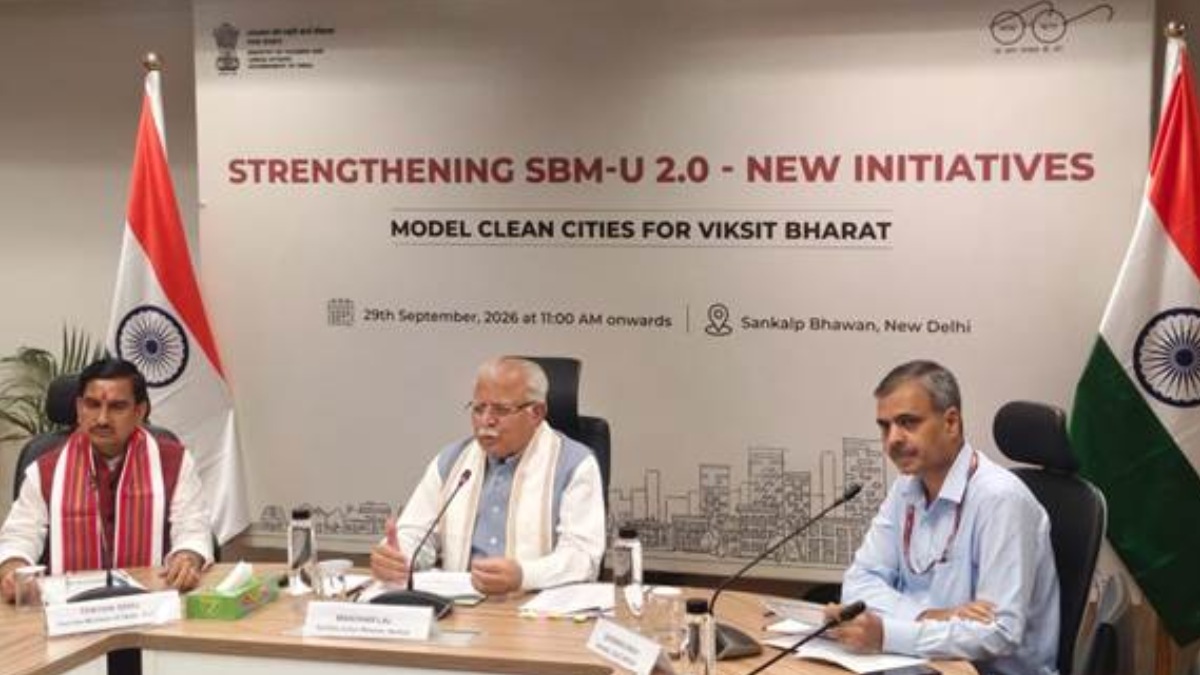
The government announced financial assistance of Rs 1,200 crore for 10 states under the Pradhan Mantri Rashtriya Krishi Vikas Yojana (PM-RKVY) by providing for agriculture and allied sector development. This comes as the Centre is continuing to drive farm productivity, sustainable agriculture and infrastructure to increase the agricultural sector.
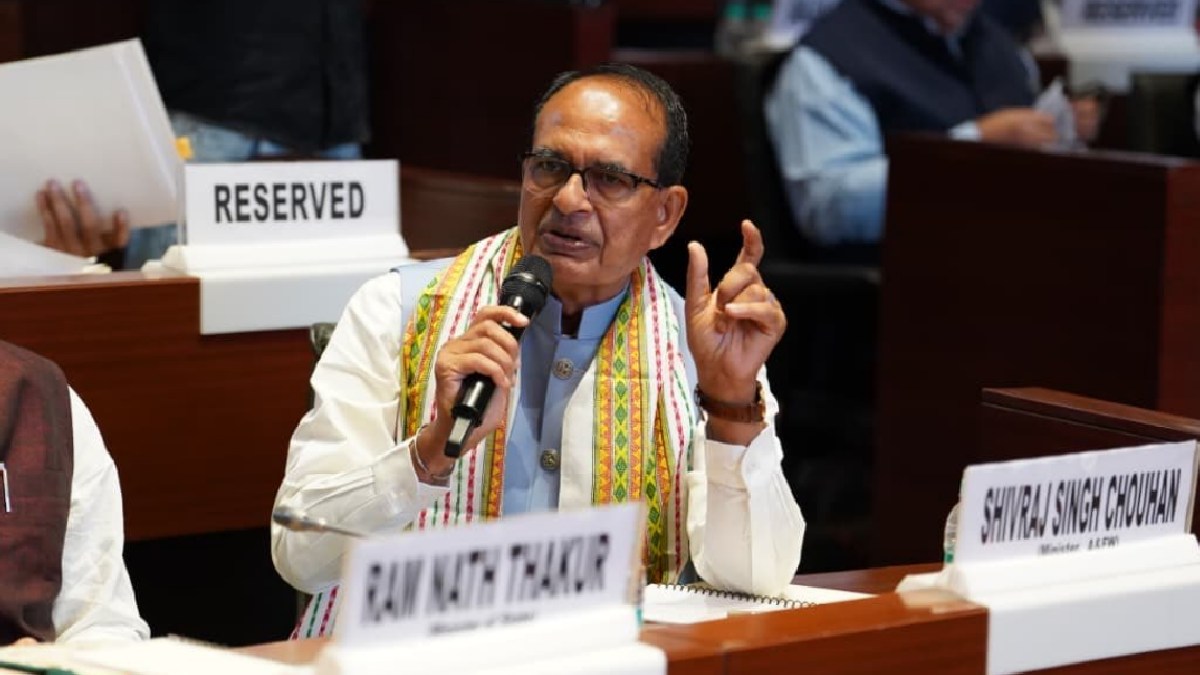
PM-RKVY is an umbrella scheme implemented by the state governments. The programme was restructured from the Rashtriya Krishi Vikas Yojana program in October 2024, bringing all agriculture-related interventions under a bigger scheme. This new programme will be to promote sustainable agriculture and the Press Information Bureau says states will be able to allocate funds on their own basis.
The latest financial support is significant because agriculture in different parts of the country faces different challenges. Some states need better irrigation facilities and water-use efficiency; others need support for farm mechanisation, soil management, crop diversification, post-harvest infrastructure and agricultural value chains. The PM-RKVY framework allows states to plan interventions based on local agricultural priorities.
The scheme covers various important areas of agricultural development. It consists of soil health management, rainfed area development, agroforestry, agricultural mechanisation, Per Drop More Crop, crop diversification and support for agriculture-related projects. It also contains an accelerator fund, for agri-startups and technology based solutions in the farming sector.
The PM-RKVY is one of the key aspects of the new version that state governments have to make the most out of this new model. It is not a full-scale national policy system, which states can reallocate funds between eligible components so that each component is based on their specific agricultural needs.
Irrigation and water management are still important parts of the programme. The Per Drop More Crop component focuses on the efficiency of water use by the farmer with the implementation of technology and practices like micro-irrigation. Better water management can make farmers use water more efficiently and help with agricultural productivity.
Agricultural mechanisation is one of the aspects covered by PM-RKVY. Modern farm equipment can reduce reliance on manual labour, increase efficiency and allow for timely farming. During sowing and harvesting times when farmers are working to meet a tight timeline, mechanisation is important.
Crop diversification in the scheme is also key to reducing reliance on a few crops and the likelihood states are in a position to be less dependent on a limited number of crops. Diversification can potentially give farmers more options for farming and also address regional issues of soil health, water supply and climate change.
The Centre has also placed more emphasis on climate-resilient agriculture in the new programme’s restructured scheme. Changing rainfall patterns, extreme weather events and water stress have increased the need for agricultural practices that can withstand environmental challenges. PM-RKVY is intended to assist with these interventions alongside productivity and value-chain development.
The wider financial commitment to PM-RKVY is much bigger than the proposed Rs 1,200 crore assistance. Between 2025 and 26, the PIB said, Rs 8,957.72 crore was released or sanctioned for PM-RKVY, and Rs 3,226.36 crore for the Per Drop More Crop component.
The scheme’s overall structure is indicative of the government’s effort to consolidate several centrally sponsored agriculture programmes. Under the 2024 restructuring, PM-RKVY would be one of two major umbrella schemes along with Krishonnati Yojana. The Centre said the restructuring should remove duplication, improve convergence and allow states greater flexibility in implementing agriculture programmes.
For the 10 states receiving the latest assistance, the funds are expected to support projects and interventions approved under the PM-RKVY framework. The exact allocation and projects can vary from one state to another depending on their approved plans and agricultural priorities.
In other words, the announcement comes at a time when governments are increasingly focusing on raising farm productivity and making agriculture more sustainable. Irrigation, mechanisation, soil health, diversification and technology can contribute to agricultural productivity enhancement and rural livelihoods.
As such, PM-RKVY support is part of a wider policy approach in which state governments play a central role in identifying and implementing agricultural projects. The Centre offers financial support and a clear framework, while states decide how eligible interventions should be prioritised according to local requirements.
With the announcement of Rs 1,200 crore of assistance for 10 states, it is yet another step in the government’s agricultural development program. But the efficiency of the assistance will be decided on how fast approved projects are implemented and how effectively they will support the needs of farmers and agriculture in the respective states.