The proposed Subansiri Upper Hydroelectric Project in Arunachal Pradesh is moving closer to environmental clearance, but the project has also raised concerns about the extent to which forest diversion and tree felling are needed to build it.
The Expert Appraisal Committee (EAC) of the Union Environment Ministry has recommended environmental clearance for the 1,605 MW project. However, the final environmental clearance will be subject to Stage-I forest clearance, which is the in-principle approval required for diversion of forest land.
According to EAC meeting minutes, the project requires the diversion of about 2,733 hectares of forest land and could involve the felling of about 1,35,733 trees.
Expert Panel Flags Impact of Large-Scale Tree Felling
The EAC has raised concerns about what ecological consequences such a large number of trees might have in the project area.
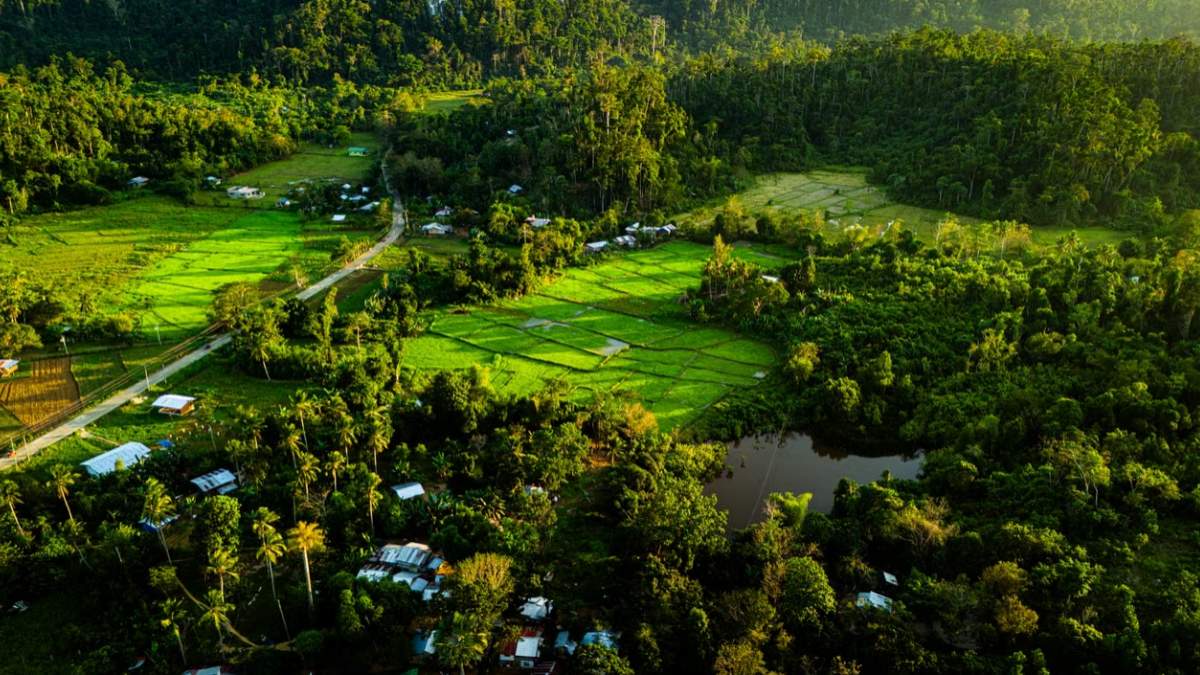
The committee said extensive tree felling in the dense forest region would affect the structure of the forest, habitat continuity, biodiversity and wildlife movement. It could also impact the ecosystem services provided by the forest.
The committee has recommended that NHPC, the state-run company that is developing the project, prepare a comprehensive, site-specific and time-bound Ecosystem Restoration and Biodiversity Management Plan.
The EAC has also recommended the creation of suitable sacred groves or biodiversity conservation patches in the project-affected area whenever it is possible. This is aimed at the conservation and enhancement of indigenous and endemic flora and fauna.
A Wildlife Conservation Plan for Schedule I species was approved by the Arunachal Pradesh Forest Department in March 2025. The committee has directed that funds allocated for this plan should not be diverted for other purposes.
1,605 MW Project Planned In Upper Subansiri
The Subansiri Upper Hydroelectric Project is planned near Menga village, around 20 km from Daporijo, the seat of Arunachal Pradesh's Upper Subansiri district.
The project was first proposed in 1995 and is estimated to cost around Rs 21,320.40 crore. It is designed with an installed capacity of 1,605 MW.
The project is to include a 237-metre-high storage dam. At the full reservoir level, the proposed reservoir would have a surface area of about 22.2 square kilometres and a length of about 50 kilometres.
Power generation and flood moderation are the two goals of this project.
The project will impact 27 villages and about 2,278 families in Upper Subansiri district. In the Environment Ministry appraisal proceedings, around 570 families are expected to be involuntary displaced. An allocation of Rs 148.45 crore is set aside for the environmental management plan.
Compensatory Afforestation Proposed In Madhya Pradesh
The project will also require compensatory afforestation to address the diversion of forest land.
Because Arunachal Pradesh has a high forest cover, government guidelines allow compensatory afforestation obligations to be fulfilled in another state in the case of insufficient land to be found locally.
For the Subansiri Upper project, around 5,466 hectares of degraded forest land in Madhya Pradesh has been identified for compensatory afforestation. This is about twice the area of forest land proposed for diversion in Arunachal Pradesh.
But the arrangement has also raised questions about whether plantations in another state can fully replace the ecological functions of the forests being affected in Arunachal Pradesh.
Forest ecosystems are habitats for wildlife and provide a lot in the way of soil conservation, water management and biodiversity maintenance. These functions can vary significantly depending on the local ecosystem.
Project Part Of Larger Subansiri Hydropower Network
The Subansiri Upper project is one of several hydropower projects proposed in the Subansiri river basin.
The Subansiri is a major tributary of the Brahmaputra. The proposed Dengser hydropower project is located immediately upstream of the Upper Subansiri project, and the Oju, Niare, Naba and Nalo projects are also proposed further upstream. The Subansiri Lower Hydroelectric Project is located downstream.
This wider network has contributed to the long environmental and legal history of hydropower development in the basin.
The Subansiri Lower project had earlier received wildlife clearance subject to a condition that no upstream dams would be built. Arunachal Pradesh challenged the restriction, and the Supreme Court modified the position in 2009, allowing proposals on upstream projects to be considered independently on their own.
The EAC also examined disaster-related issues with respect to the Upper Subansiri proposal. These included peak flood discharge, glacial lake outburst flood scenarios and possible consequences of a dam breach for the downstream Subansiri Lower project.
What is next?
The EAC’s recommendation is an important step in the environmental approval process, but it does not mean that all of the clearances have been completed.
The proposed diversion of 2,733 hectares of forest land still requires the appropriate forest clearance process. The environmental clearance recommendation also includes conditions concerning ecosystem restoration, biodiversity management and wildlife conservation.
The scale of the proposed tree felling remains one of the major environmental issues surrounding the project. With around 1.35 lakh trees potentially affected, the EAC has specifically highlighted possible impacts on forest structure, habitat continuity, biodiversity and wildlife movement.
At the same time, the 1,605 MW project is being pursued for power generation and flood moderation and forms part of Arunachal Pradesh's wider hydropower development plans.
The next stages of forest clearance and implementation of the environmental safeguards will therefore determine how the project progresses and how the identified environmental concerns are addressed.