Jakarta In the fast-changing world of geopolitics, some diplomatic engagements are like handshakes for the day, while others serve as quiet architectural resets. Prime Minister Narendra Modi's state visit to Jakarta, Indonesia, is probably the latter of them. The first stage of a multi-nation tour from India to Australia and New Zealand and a bilateral meeting in Jakarta with the newly inaugurated Indonesian President Prabowo Subianto has set off a dramatic shift in the Indo-Pacific.
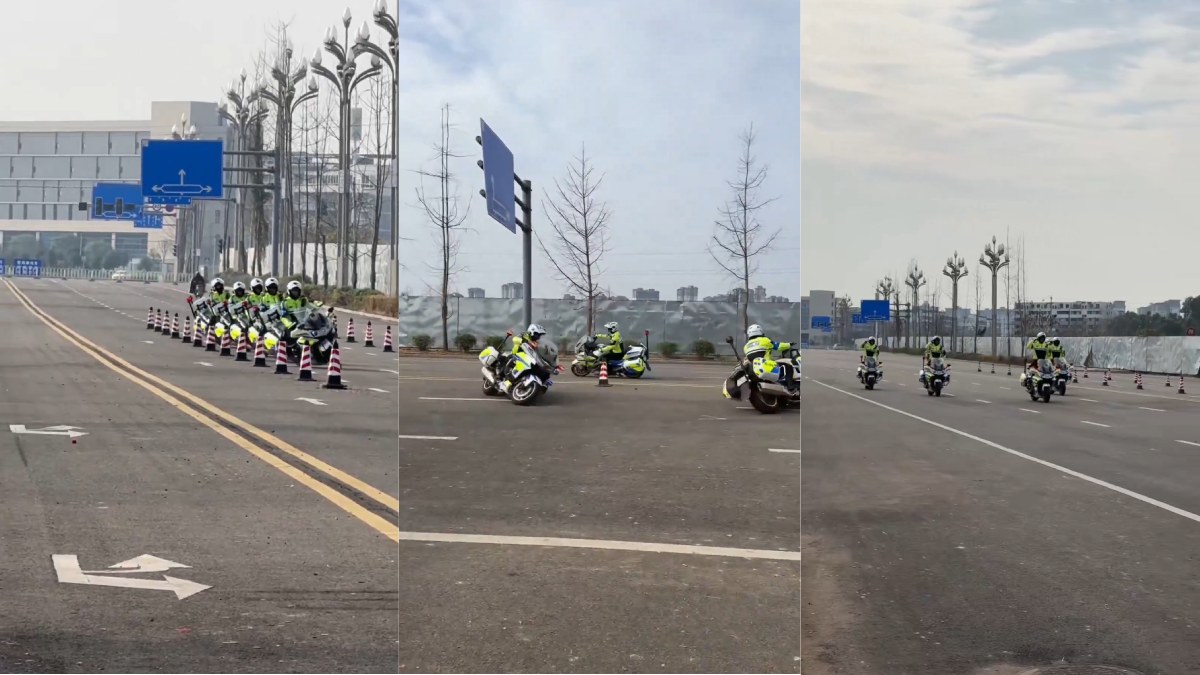
Escorted into Indonesian airspace by military fighter jets and received on the tarmac by President Prabowo himself a rare and very symbolic gesture of respect the reception was a sign that this was no ordinary diplomatic checkpoint. And the world’s largest democracy and the world’s largest archipelagic state came together to co-architect a resilient, multipolar maritime order.
The Strategic Lynchpin of the Act East Policy. For years, India’s “Act East” policy and its institutional maritime framework, MAHASAGAR (Mutual and Holistic Advancement for Security Across the Regions), had been searching for a deeply anchored lynchpin in Southeast Asia. Jakarta is structurally and geographically that lynchpin. Managing the choke points of the Malacca, Sunda, and Lombok straits, Indonesia is the key to trillions of dollars in global commerce.
By turning their 2018 Comprehensive Strategic Partnership into highly operational, actionable defense protocols, New Delhi and Jakarta are sending a subtle but clear message to external superpowers: the nations that inhabit the oceanic domain will be the ones writing its rules.
Nickel Diplomacy and Supply Chain Autonomy. Beyond traditional maritime security, the real bedrock of this geopolitical shift lies beneath the earth. Indonesia accounts for about 21 percent of the world’s nickel reserves a vital resource in electric vehicles, aerospace, and clean-tech production. Indonesia has long been a zone of dominance for China as far as extractions and processing are concerned.
PM Modi’s visit has broken new ground by setting up state-backed joint ventures and mineral-processing partnerships. Through the integration of India into Indonesia’s downstream nickel value chain, the two countries are intentionally building alternative supply chains. For India, which has few domestic nickel reserves, this strengthens its transition to green energy. For Indonesia, it diversifies its economic dependence away from single-source dominance and embodies true strategic autonomy.
Deepening the Defense and Digital Matrix. The strategic architecture finalized during the summit addresses modern defense and digital integration:
Maritime Defense: Building on previous groundwork, the acceleration of defense industrial cooperation including institutionalizing mechanisms for the possibility of acquiring and co-production of BrahMos supersonic cruise missiles
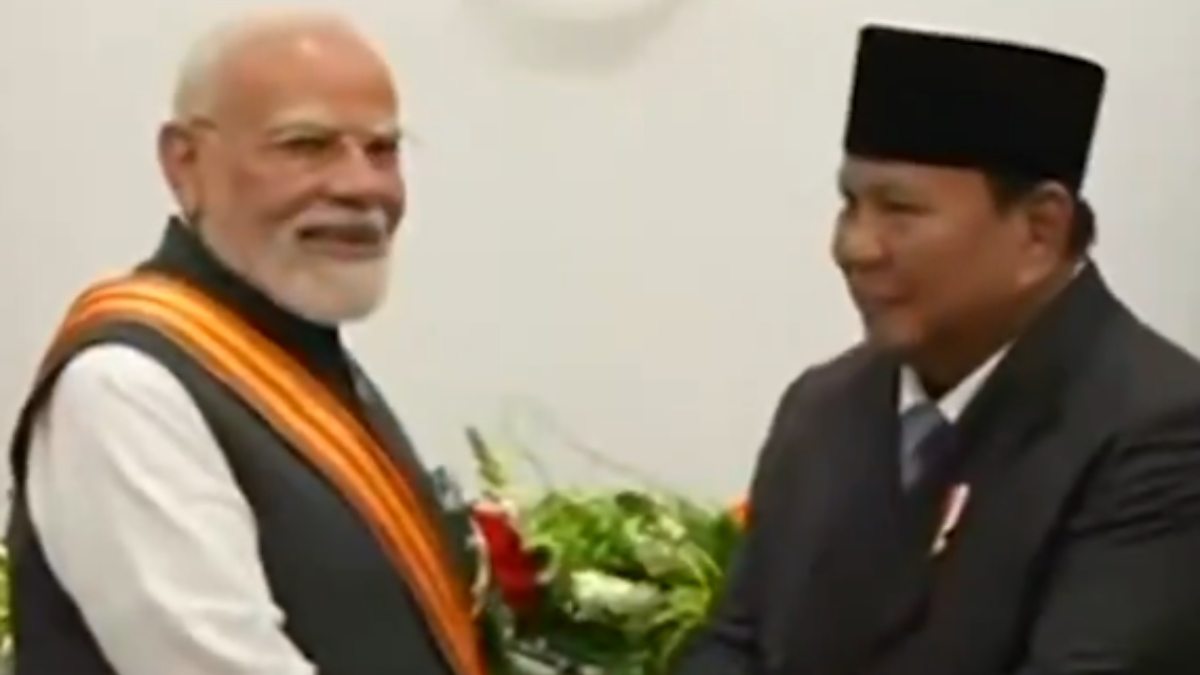
Indian Prime Minister Narendra Modi received Indonesia's highest civilian honor, the Bintang Adipurna, during his visit to Jakarta. The award brings his total number of honors from foreign governments to at least 35: https://t.co/ZRSOXQdN7u pic.twitter.com/gtpRNs4feh
— Bloomberg (@business) July 8, 2026
provides Jakarta with strong regional deterrence.
Cross-Border Infrastructure: Enhanced connectivity protocols were developed to connect India's Andaman and Nicobar Islands directly to Indonesia's Aceh Province, essentially shrinking the physical distance between the two maritime neighbors.
Digital integration: The formal integration of India’s Unified Payments Interface (UPI) into the Indonesian digital landscape seamlessly bridges the economic frameworks of both emerging economies.
In fact, the geopolitical alignment is based on a deep civilizational trust. PM Modi and President Prabowo’s joint visit to the UNESCO-listed Prambanan Temple complex in Yogyakarta is a stark reminder that the current relationship between New Delhi and Jakarta is built on centuries of shared cultural heritage.
As global economic and military gravity continues to shift toward the Indo-Pacific, the Modi-Prabowo summit demonstrates that middle powers aren’t content waiting for outside superpowers to balance the scales. With defense indigenization, critical mineral alliances, and shared maritime visions, India and Indonesia have quietly but firmly constructed a new “Arc of Trust” across the ocean floor.