The Indian government has announced a major step in its fight against mobile fraud and theft. The Department of Telecommunications (DoT) has ordered smartphone makers to pre‑install a cybersecurity app called Sanchar Saathi on all new devices. Companies have been given 90 days to comply with the directive.
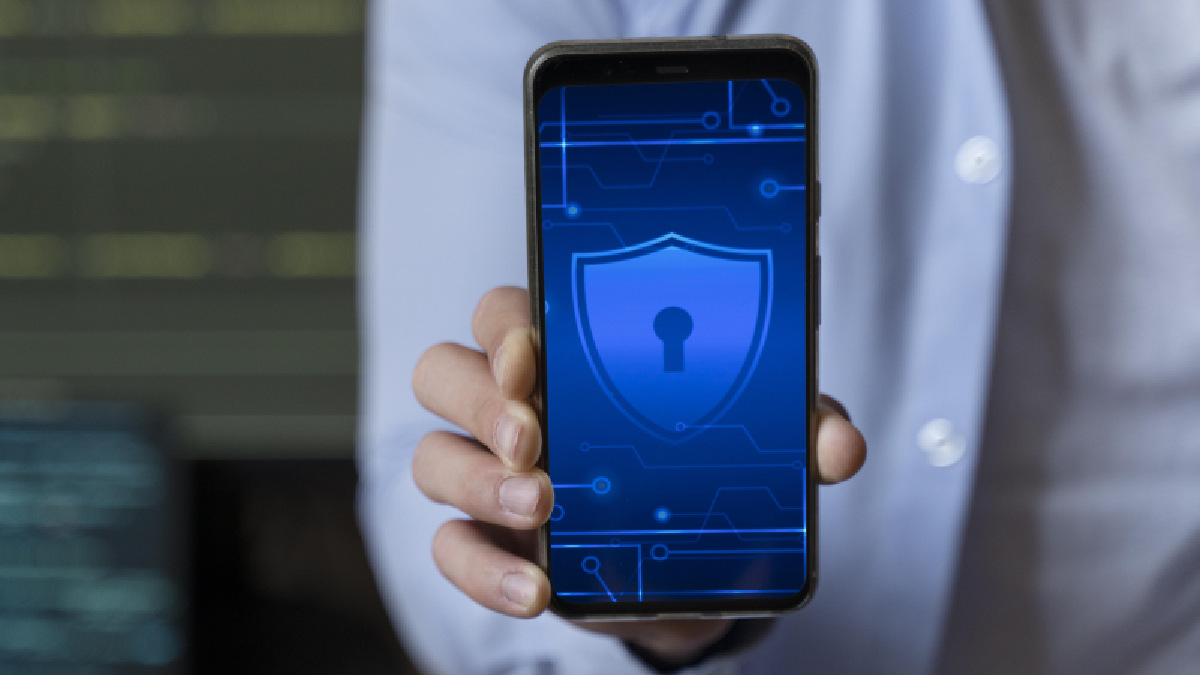
The order makes the app visible during the initial setup of a phone and ensures that it cannot be disabled or removed by users. Officials say this move is necessary to protect India’s 1.2 billion mobile users from scams, stolen devices, and misuse of connections.
What Sanchar Saathi Offers:
Sanchar Saathi is a government‑developed app that provides several safety features. It allows users to check whether their phone’s IMEI number is genuine, helping to identify fake or cloned devices. Through its CEIR (Central Equipment Identity Register) system, users can block stolen phones so they cannot be used on any network. The app also lets people report fraud calls and suspicious messages, and verify how many mobile connections are registered under their identity.
Authorities highlight that the app has already shown strong results. According to official figures, more than 700,000 lost devices have been recovered with its help, while millions of stolen or fake phones have been blocked from use.
Government’s Reasoning:
The DoT argues that mandatory installation will make these tools available to everyone, even those who may not be aware of them. With scams and phone thefts rising, officials believe the app will act as a first line of defense. They describe the initiative as part of India’s broader effort to strengthen digital safety and protect citizens in an increasingly connected society.

Concerns About Privacy:
Despite its benefits, the decision has sparked debate. Critics worry about the app’s broad permissions and the fact that users cannot opt out. Privacy advocates argue that forcing people to keep the app on their phones could open the door to surveillance and misuse of personal data.
Some experts have compared the move to state monitoring tools, warning that it may set a precedent for government control over personal devices. Civil society groups have called for transparency about how user data will be handled and stronger safeguards to prevent abuse.
Balancing Security and Freedom:
The controversy reflects a larger challenge: how to balance digital security with individual rights. India’s smartphone market is one of the largest in the world, and protecting users from fraud is a serious concern. At the same time, ensuring privacy and freedom of choice remains equally important.