The recent street demonstration in Dhaka, Bangladesh, raised alarm and a lot of controversy on social media. People were said to have appeared in their crowd chanting slogans against the festival of Makara Sankranti in India and the dangers the festival will pose to the person who celebrates it. The protest, chronicled in a viral tweet, has prompted questions about cultural tolerance, religious identity and, in South Asia, the growing tension between tradition and contemporary expression.
Makara Sankranti – Another big festival in India, celebrated in January symbolizes the day the sun changes to the zodiac sign Capricorn or Makara. It is normally celebrated as a harvest festival, particularly in states like Karnataka, Tamil Nadu, Andhra Pradesh and Maharashtra. People fly kites, cook special food, and pay homage to the sun god. For many, it’s a cultural celebration of nature and agriculture, and for others, a staple part of Hindu faith. The simultaneous identity has opened wide interpretations on both sides of the border.
Islamists in Dhaka, Bangladesh chanted slogans against 'Makara Sankranti' and warned that anyone celebrating this festival will face action.
— Incognito (@Incognito_qfs) January 14, 2026
Liberals in India may claim that Makara Sankranti is not a Hindu festival, it is a harvest festival, which is related to culture and not… pic.twitter.com/r3443S5lNY
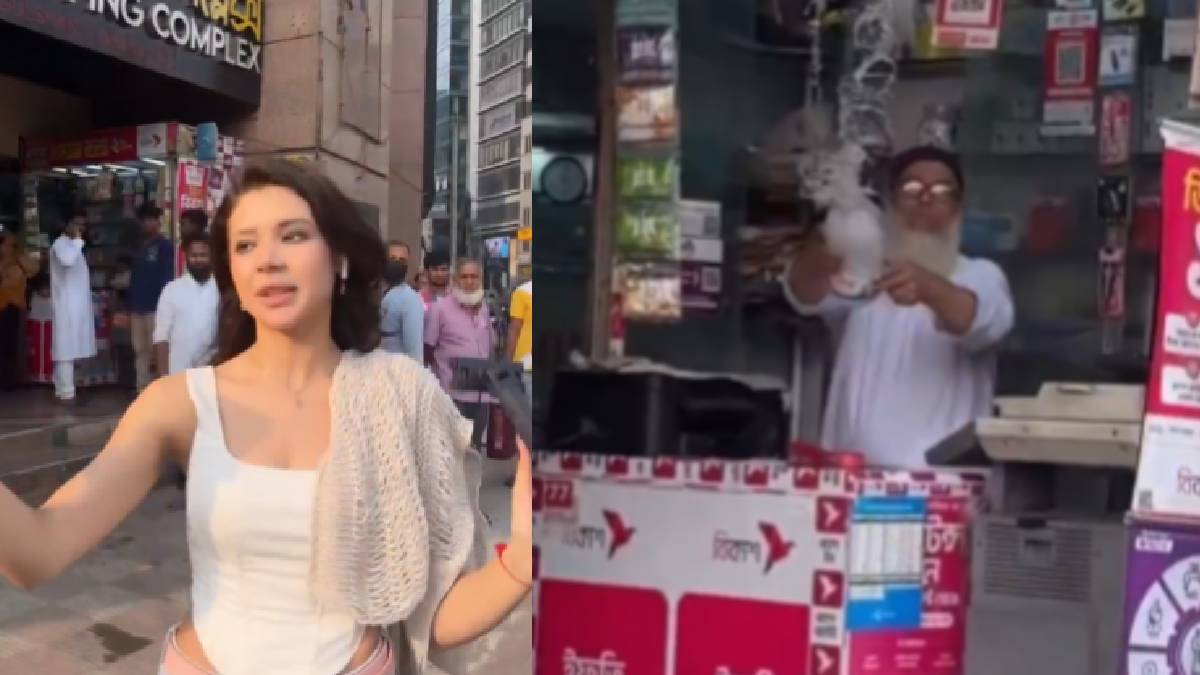
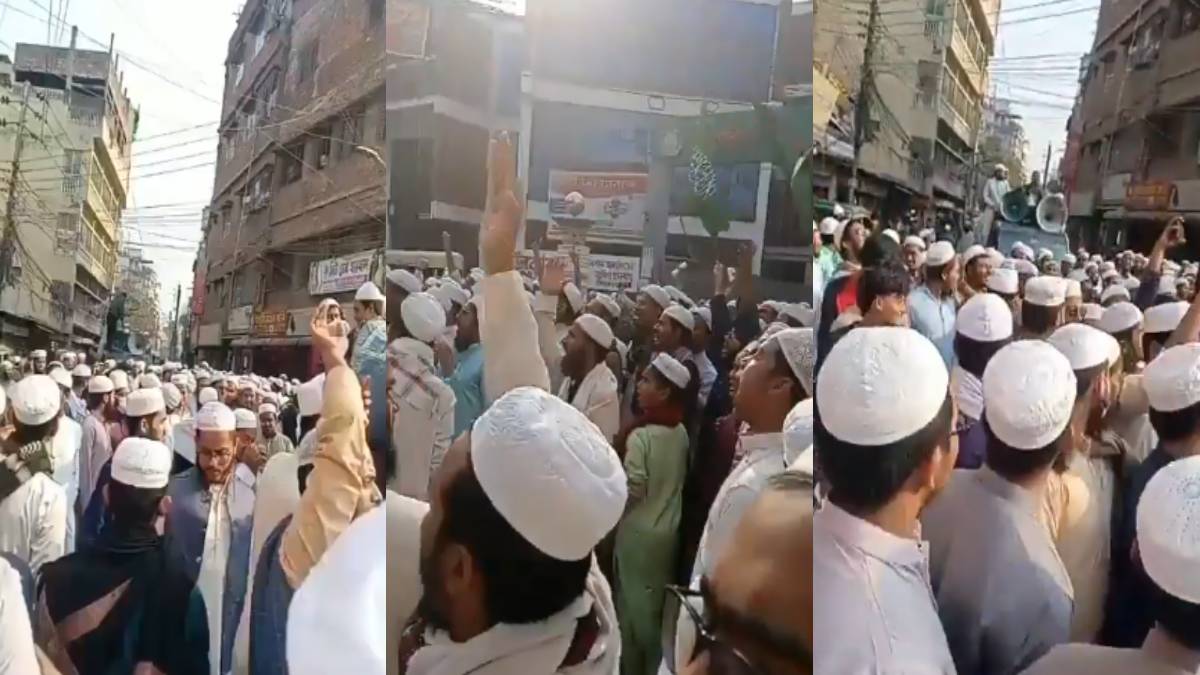
The protest in Dhaka reportedly featured men dressed in traditional attire consisting of white caps and long clothes clustering around and on a small blue truck. There was Bengali signage, urban buildings, and a bustling city in the background. The protestors opposed the celebration of Makara Sankranti, saying it portrays religious hegemony. The parties made warnings that celebrating them could have penalties, but the nature of these penalties was not named.
This has triggered vigorous online responses. Some participants were worried about increased intolerance, as well as the politicization of cultural events. Others defended the protestors by saying that foreign festivals should not be encouraged in Bangladesh. The debate touches on a deeper issue: how cultural and religious identities are viewed and defended in a region with rich historical entanglement and shared heritage.
However, festivals such as Makara Sankranti are not only religious; they are also social/seasonal. In India all sorts of people, religious or not, participate in the celebrations. The festival is of harvest, of community togetherness, and thankfulness for what the natural world brings us. But if those moments are refracted through a lens of exclusivity, they can be seen as an act of division and not of unity.
In Bangladesh, a country which is predominantly Muslim, these public displays of non-Islamic traditions have sometimes been sensitive. Though it has a long history of cultural diversity, this country has grown increasingly polarized in recent years. Protests such as that in Dhaka might reveal more substantial fears about identity, power and the erosion of cultural norms. But they also present questions of freedom of expression, and the right to celebrate traditions without violence.
Governments and civil society need to encourage understanding and tolerance. The exchange of cultures between neighbouring nations need to be invited not repressed. Respecting each other’s traditions does not mean adopting them, it means making a space for peaceful coexistence. When protest attacks coincide with festivals, they run the great risk of using cultural differences as political weapons.
At the same time, you have to hear concerns. We need discourse if people feel threatened by special festivities. If we educate people on what festivals derive from and what they mean, it's possible to limit confusion. Leaders need to help ensure we keep our nation’s public discourse respectful and inclusive, particularly when there are many and sundry voices.
Finally, when one thinks about it, the protest against Makara Sankranti in Dhaka is just a reminder of how fragile cultural harmony is. It is a call for empathy, understanding and responsible communication. Festivals should be times of joy and communion, not contention. But whether in India or Bangladesh, the way ahead is not through fear but by understanding.