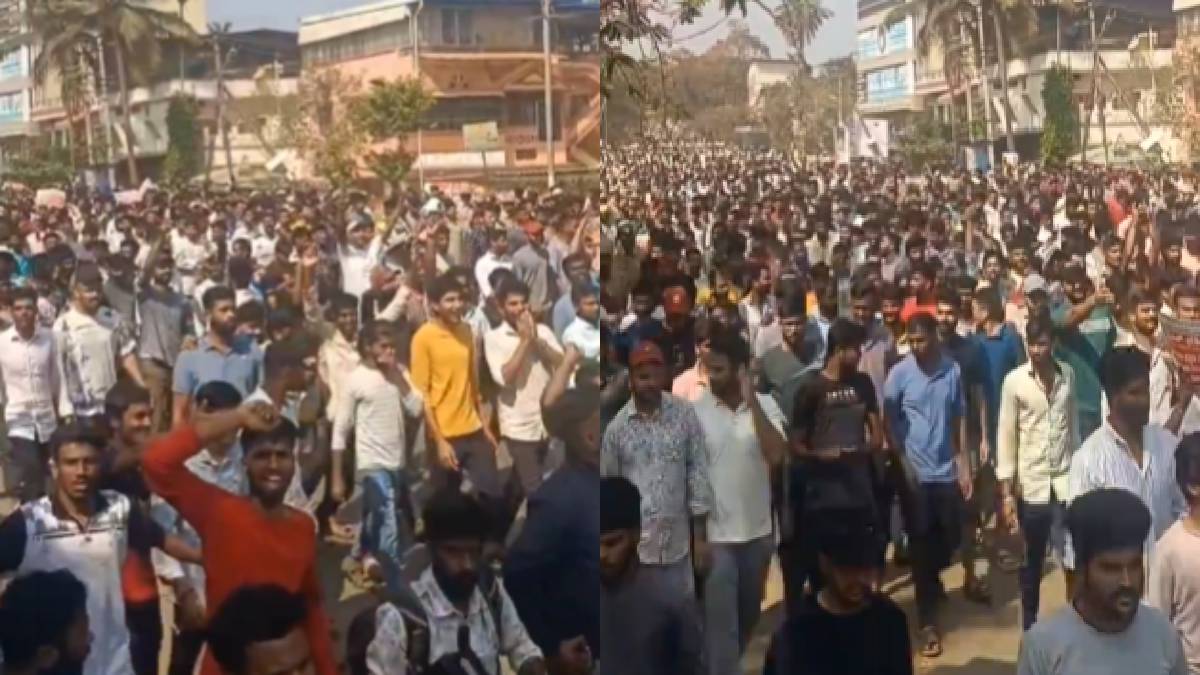
A Nation on Edge. Iran has traditionally been governed by an authoritarian religious regime under Supreme Leader Ayatollah Ali Khamenei. Citizens throughout history have been subject to severe repression, limited freedoms and repressive measures to repress dissent. Women, in particular, have faced strict dress codes, featuring compulsory hijabs and burqas, and are penalized for violating these laws. Protests have become louder in recent years. Economic hardship, corruption and social restrictions have forced people particularly youth and women to speak up. The photo of the woman taking off her burqa in public, this is just one example of the lengths Iranians will go to demand reform.
The Protest Scene:
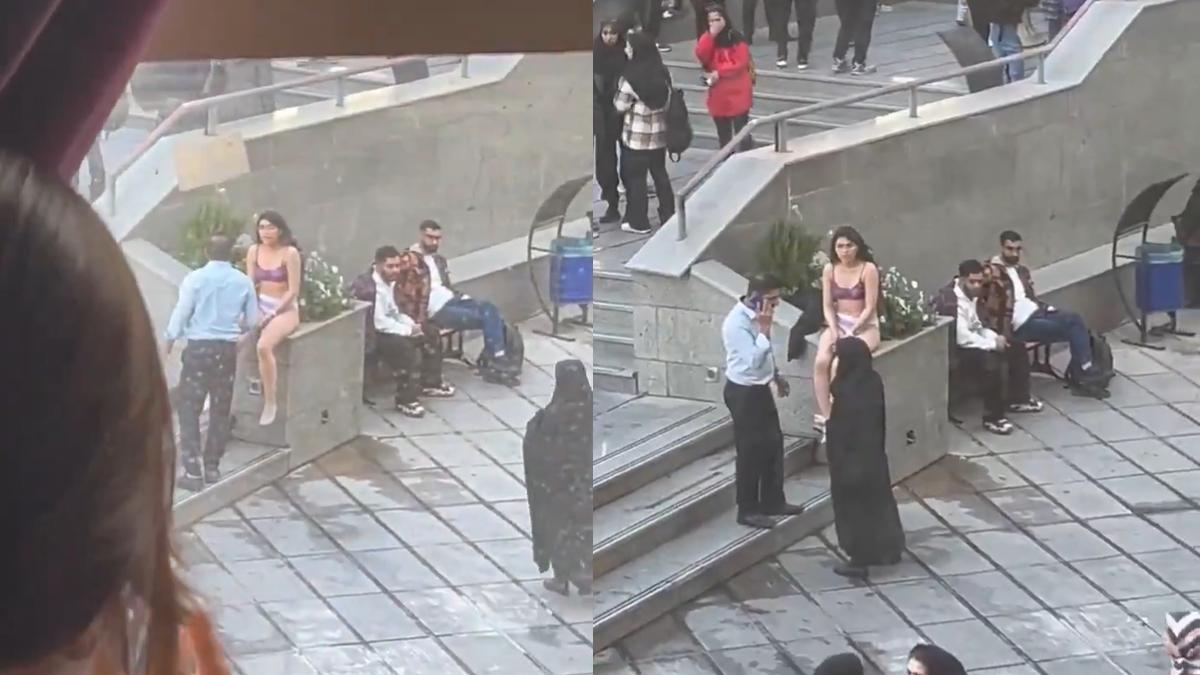
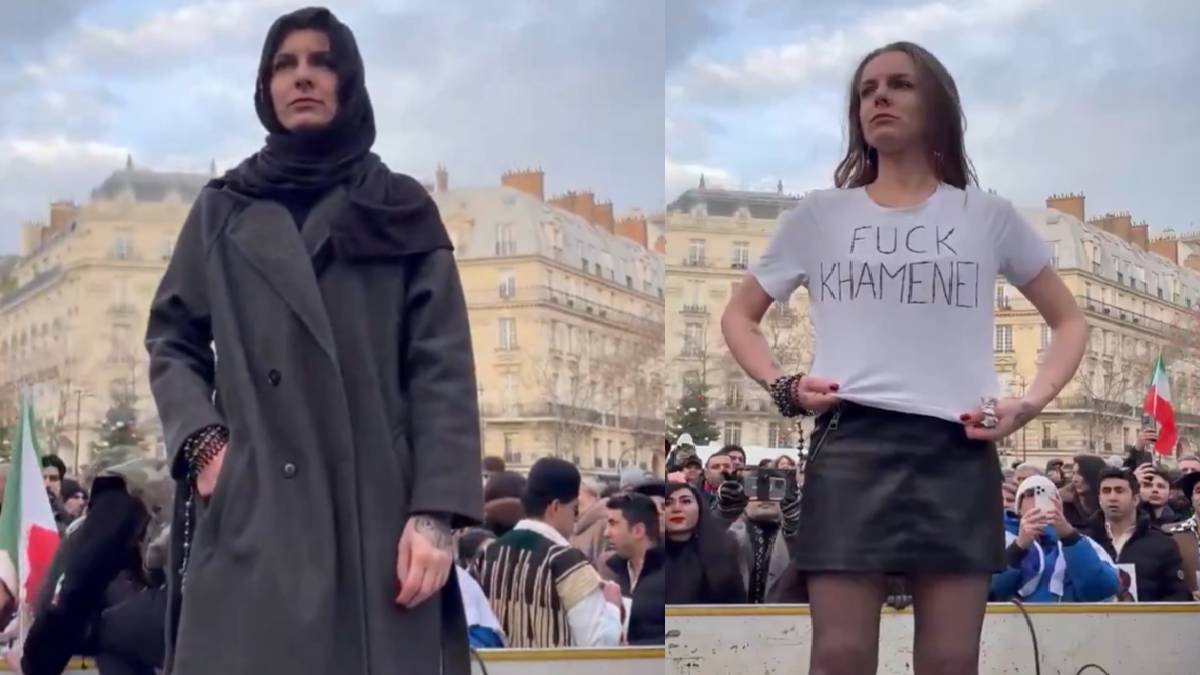
A Moment of Courage. In the viral photo, a woman proudly stands before a crowd, unblocking her black coat to expose a white T-shirt bearing an explicit message about Khamenei. Her face is visible, she poses upright and communicates her messages unambiguously. Around her, others are flying flags and signs that suggest a larger protest movement. Under Iranian law, this act is a serious crime. Publicly removing a burqa, displaying anti-government slogans, and insulting the Supreme Leader carries risks that include imprisonment or death. But this woman went out in public in broad daylight and knew the risk involved. Her courage has encouraged generations of other rebels and created international discussions on freedom, oppression, and the status of women in Iran.
🚨 Iran
— Nabila Jamal (@nabilajamal_) January 12, 2026
Woman publicly removes her burqa to reveal a T-shirt carrying an explicit message against Supreme Leader Ayatollah Ali Khamenei
Such an act is punishable by death under Iranian law... but protestors willing to take that risk and challenge the regime 👇#IranProtests… pic.twitter.com/eGr7vbAeCS
What the Message Reminds Me About?
The handwritten message on the T-shirt, while explicit, is not just an insult. It represents years of frustration, anger, pain. For most Iranians, Khamenei represents a system that has taken away their basic rights and silenced their voices while punishing them for wishing for freedom. By donning this message, the woman wasn’t protesting only one man. She was pushing back against a whole system of control. Her gesture calls into question the insistence that citizens should be silent, particularly women who are sometimes supposed to remain invisible in public space.
Women on the Frontlines of Change:
That protest is part of a larger movement that Iranian women are leading in, and the movement is growing louder. Over the past months, videos have aired of women burning photos of Khamenei to light cigarettes. Others have gone out of their hijabs, danced in public or spoken out online all of which are illegal under Iranian law. Such women are not protesting fashion prescriptions alone. They will not submit the right to respect, equality, and live with no restrictions. What they are doing proves that change is not just going to happen, it is currently taking place.
The Risks They Face:
The risks remain high even with the growing movement. Iran’s government has a history of cracking down on protests. Activists have been detained, tortured, even executed. There is widespread surveillance and a keen eye on social media. For women, the threat is still greater. They are under attack not just by the government, but also by conservative elements of society. Families may disown them, communities may shame them, authorities may punish them badly. But the courage of these women shows that fear will no longer silence them.
Global Reactions:
The photograph of the woman wearing the protest T-shirt has triggered reactions from all corners of the world. She is praised for her courage by human rights organizations. Others had shared their photos with comments of support on social media. News outlets have reported on the story, noting the deepening unrest in Iran. Many are urging world leaders to empathize with Iranian protesters and to bring to justice the regime’s actions. Iran is in the center of the global spotlight, and the world is paying close attention.
The Role of Social Media:
Social media has been an important means to share these protest messages. Even where traditional media may have fallen out of favour with some, platforms such as X (formerly Twitter), Instagram and Telegram allow Iranians to share videos, photos and stories. The viral nature of these posts will serve to promote solidarity. People from diverse countries, cultures, and backgrounds can see what’s happening and provide support. It also puts pressure on the Iranian government, which has a hard time controlling the narrative when images like these go global.
A Turning Point?
While it is hard to predict, many believe Iran is at a turning point. The protests are stronger and the courage is greater. The image of the woman wearing the protest T-shirt could turn out to be one of the defining moments of this movement. It demonstrated that people aren’t afraid to stand up for what they believe in, even facing danger. It is a grim reminder that change usually starts with one courageous act and that action can galvanize millions.
An Echoing Message:
The woman who ripped off her burqa and exposed her message did more than just protest. She sent a message to the world: Iranians are willing to change. Her courage, and those of others around her, show that freedom is worth fighting for, even at the highest price.
But as we enter 2026, the world has to keep supporting these voices. Their battle is not only for Iran, it’s for the civil right to speak, live, and be free.