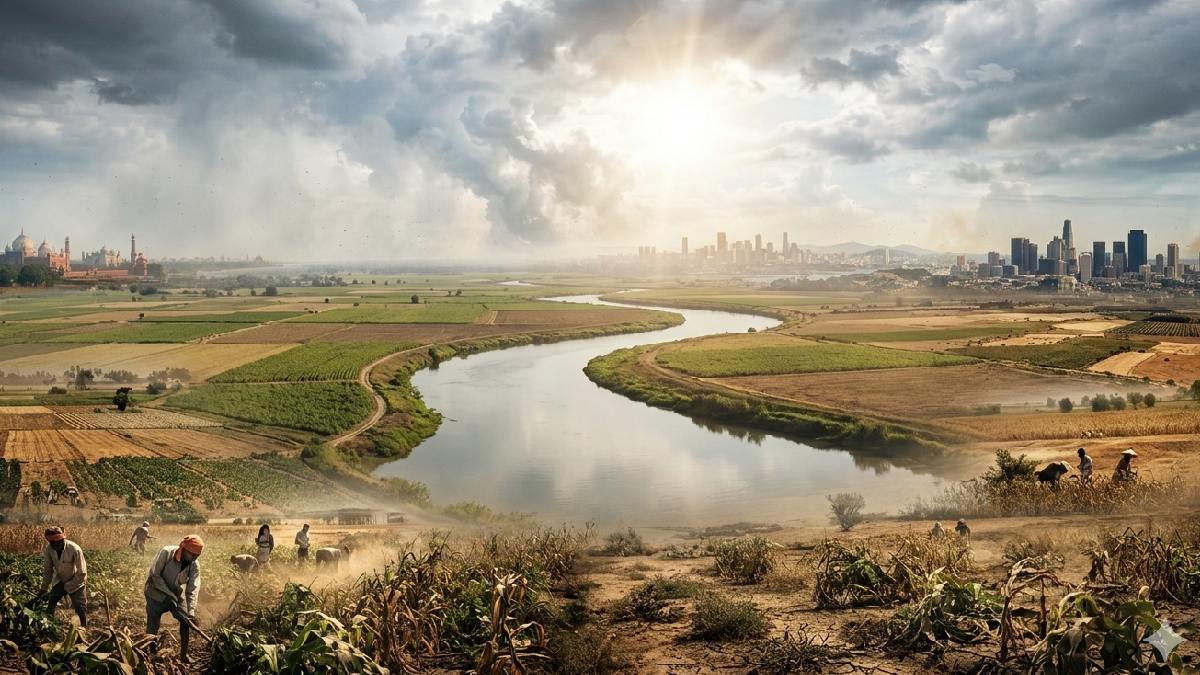
The future water demand of Pune is also a big concern as the region prepares for rapid economic and population growth in the next decade. The Pune economic region is expected to require an additional 200 million litres per day (MLD) of water in 2036 and therefore many options and infrastructure are being examined to meet the demand.
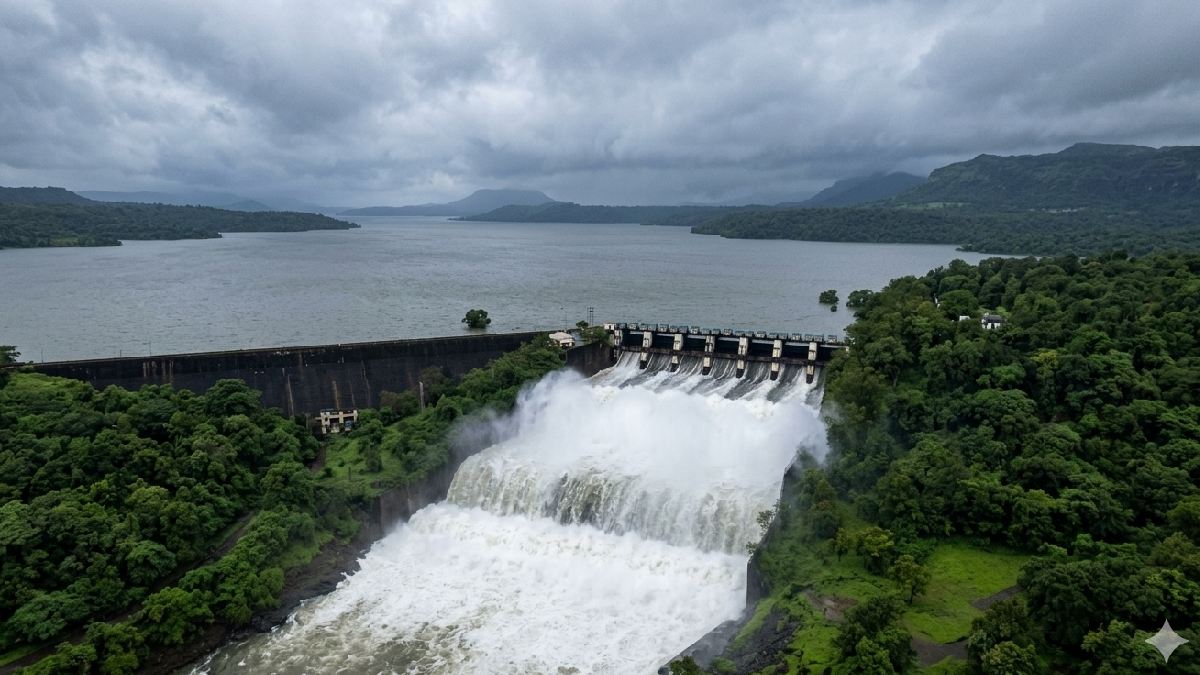
One of the current proposals is to take 7 TMC from Mulshi Dam.
The proposed water planning is related to the overall development strategy for the Pune economic region. The region has set an ambitious target of growing its economy to about $200 billion-$220 billion by 2036. The growth in industrial activity could mean new jobs, more infrastructure and population growth. That will put pressure on the water resources already.
Pune’s Water Demand Is Expected To Rise.
The additional 200 MLD requirement reflects the scale of development expected across the wider Pune economic region. Industries, residential areas, commercial projects and expanding infrastructure will all require reliable water supplies.
The growth strategy being outlined for Pune is a variety of measures to meet the anticipated demand. Besides the additional water from Mulshi, authorities are also looking at more supply from other sources, improving the efficiency of existing distribution systems, promoting treated wastewater reuse and desilting water bodies.
So the water requirement is being considered as part of a broader regional infrastructure plan and not as a separate project. Water availability will be important to support the economic growth in Pune over the next decade.
Why Mulshi Dam is in focus?
The Mulshi Dam has emerged as an important potential source for the region’s future drinking-water requirements. A proposal to make 7 TMC of water from Mulshi available for the Pune metropolitan area was made and the state Water Resources Department was looking into the allocation and related requirements.
The proposal has also received attention from different agencies with different water requirements. The Pune Municipal Corporation has asked for about 5 TMC whereas Pune Metropolitan Region Development Authority has sought 1.2 TMC to cope with drinking water requirements in Hinjawadi and other surrounding areas.
Recent reports suggest that the state government and Tata have given in-principle approval on the larger 7 TMC proposal, while technical and financial feasibility studies are being carried out. The PMC has also started the process of appointing a consultant to examine the feasibility of bringing water from Mulshi to Pune.
Hinjawadi And growing urban areas
The demand for more water is especially important in rapidly developing areas around Pune. Hinjawadi, one of the region’s major IT and employment hubs, has long-standing concerns over drinking-water availability.
The PMRDA submitted a proposal for 1.2 TMC from Mulshi to offer a longer-term drinking-water supply to Hinjawadi and its surrounding urban areas. The state has been exploring the broader possibility of diverting surplus Mulshi water for use in the Pune metropolitan area.
The growing concentration of businesses, workers and residential development in areas like Hinjawadi, Chakan and other parts of the Pune region means that water demand is likely to rise alongside economic activity.
Water Planning And Pune’s Growth Strategy.
The 200 MLD additional requirement is part of a larger development plan for Pune. The region is targeting major investments in manufacturing, automobiles, electric vehicles, engineering, defence, robotics, electronics, semiconductors and biotechnology.
The growth plan also includes additional investments in public transport and other urban facilities. A larger economy and a bigger population will have to be financed at the same time in water supply, sewage treatment, roads and public transportation.
Water reuse is another component of the proposed strategy. Authorities are looking into the use of treated wastewater, better distribution and desilting of existing water bodies as alternatives to conventional water sources.
Feasibility Studies Still Important
Though Mulshi is a significant source of additional water, the proposal involves technical, financial and administrative requirements before a final supply system can be implemented.
There will need to be a feasibility assessment to assess the infrastructure needed to get water from the dam to the areas that need it, and the transmission lines, water treatment plants and distribution networks will need to be evaluated. Water distribution among various urban and regional agencies will also need to be addressed.
The PMC's decision to appoint a consultant for a feasibility report is part of this process. Recent reports indicate that the civic body is seeking five TMC from the proposed 7-TMC allocation while other agencies have their own requirements.
Looking Ahead To 2036
Pune’s projected need of another 200 MLD by 2036 highlights the pressure that rapid urbanisation and economic expansion can place on basic resources. Mulshi’s 7 TMC allocation is just one part of a larger strategy to ensure the availability of water is maintained with development.
For the plan to succeed, additional supply will need to be combined with efficient distribution, conservation, wastewater recycling and long-term resource management. The final shape of the Mulshi proposal would be determined by feasibility studies, water allocation decisions and the infrastructure needed to deliver the extra supply.
Now that Pune is on track to achieve its 2036 economic targets, reliable water supply is likely to remain one of the key elements of the long-term infrastructure planning throughout the region.