The Pune Passport Office is experiencing a significant appointment no-show problem with 25–30 per cent of available appointment slots going unused each month. There has been a concern since passport-related services are still in demand and many of the scheduled appointments are not being utilised.
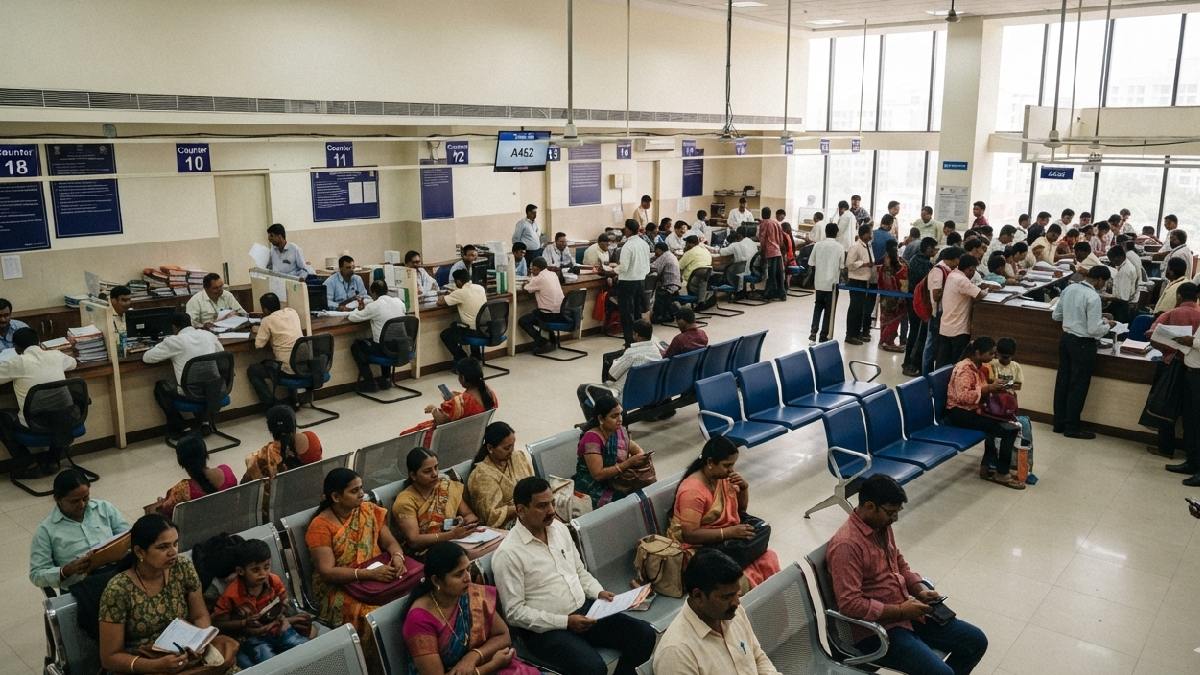
The unused slots could have been available to other applicants who are waiting for an opportunity to complete passport-related formalities. When applicants book an appointment but fail to turn up, the slot remains unavailable to someone else for that particular time and date.
The situation demonstrates why applicants should be canceled when they don’t make it and rescheduled when they do. A timely cancellation enables the slot to be made available to another person and passport service centres to use their daily capacity more effectively.
In high demand for Passport Services
Passport offices and Passport Seva Kendras handle a large number of applications and related services every day. Applicants visit these centres for new passports, renewals, reissues and other document-related requirements.
For many applicants, the appointment is key to passport application. The appointment can influence how quickly an individual is able to do the necessary in-person verification and document submission.
In such a system, unused appointments can create a gap in available capacity with no real services to provide. Even when a centre has sufficient appointment capacity, no-shows can make it appear that fewer applicants are being served.
The 25–30 per cent monthly no-show figure therefore demonstrates how appointment availability is being used by applicants.
Why Appointment No-Shows Matter
If a person has booked a passport appointment but doesn’t show up, then the slot cannot be used by another applicant at short notice. People that have already made the appointment can wait longer.
Sometimes applicants book appointments well in advance, only to discover that they are not planning for them. Other applicants may forget the date and/or do not have the right time of appointment and/or have unexpected circumstances. But if they don’t do so and cancel or reschedule the appointment, they are still blocked.
Such a cancellation or rescheduling can be a very simple thing. Applicants who know that they cannot attend are encouraged to follow the Passport Seva process, and not to just miss the appointment.
The problem will be especially important when passport services demand is high. Students, professionals, families planning overseas travel and people who need passports for work or education may all depend on timely appointments.
Applicants are being asked to use slots responsibly.
The reported no-show rate also puts the focus on responsible appointment booking. Applicants are expected to select a date and time that they are reasonably confident they can attend.
Booking multiple appointments or retaining an appointment even though you cannot use that appointment will reduce the availability of others in the system. When applicants use those slots or cancel them when circumstances change, the appointment system works better.
After booking the appointment, the date, time and location of the appointment must also be closely examined. The documents for a final appointment should be ready in advance, which can prevent last-minute problems.
For those who cannot attend, the official Passport Seva portal is very helpful to find out whether or not cancellation or rescheduling is possible.
Impact On Other Passport Applicants
The vacant appointments are especially significant because a vacant appointment does not simply represent an empty time period. It can also mean that another applicant who required an appointment could not access that slot.
When someone is on a deadline regarding education, job, immigration or travel abroad, delays in the passport service can lead to further difficulty. The availability of appointments is at variance with the situation and so no-shows can be reduced and the current capacity used could be made better.
The situation also demonstrates why appointment systems need both service providers and applicants to participate. While authorities can offer more slots and improve scheduling systems, applicants are required to attend their appointments or release them when they do not need them.
How Applicants Can Avoid Missing Appointments
Passport applicants who have made their passport appointment should ensure that they have the information before they get their passport and check the information before the date. There is no need to go through the last minute when applying and getting the documents, application and other documents to be collected.
It is also important to arrive at the Passport Seva location in a timely manner and follow the instructions provided during the application procedure. Applicants should check the latest requirements on the official Passport Seva platform since document requirements and procedures can vary depending on the service being requested.
If there is a change in circumstances that makes attendance impossible, applicants will have to rearrange or cancel the appointment rather than simply not showing up.
Appointment Capacity Remains An Important Issue
The 25–30 per cent monthly no-show rate at the Pune Passport Office indicates the challenge for appointment-based public services. Demand alone is not the only measure of efficiency in how well a centre operates; the actual use of scheduled appointments is as important.
Greater awareness among applicants about cancellation and rescheduling could reduce the number of empty slots. At the same time, monitoring no-show patterns can help local authorities understand when and why appointments are being missed and how to make them more usable, but not only that, but how to improve on the utilization levels.
If Pune residents are to get passport services, there is only one lesson to take from this: you must book your appointments carefully. And if you can’t, you should cancel or reschedule where the system permits, so a new applicant could easily fill the slot.
As passport services continue to be in such high demand, better utilization of the existing appointment capacity may reduce the potential for gaps in the system and make it easier for those waiting for their turn.