Three climbers were rescued from California’s Mount Shasta after a mountain trip planned with the assistance of artificial intelligence turned into a dangerous adventure. The three young men were stranded during their descent after reaching the summit much later than the expected turnaround time and subsequently lost their way in hard terrain.
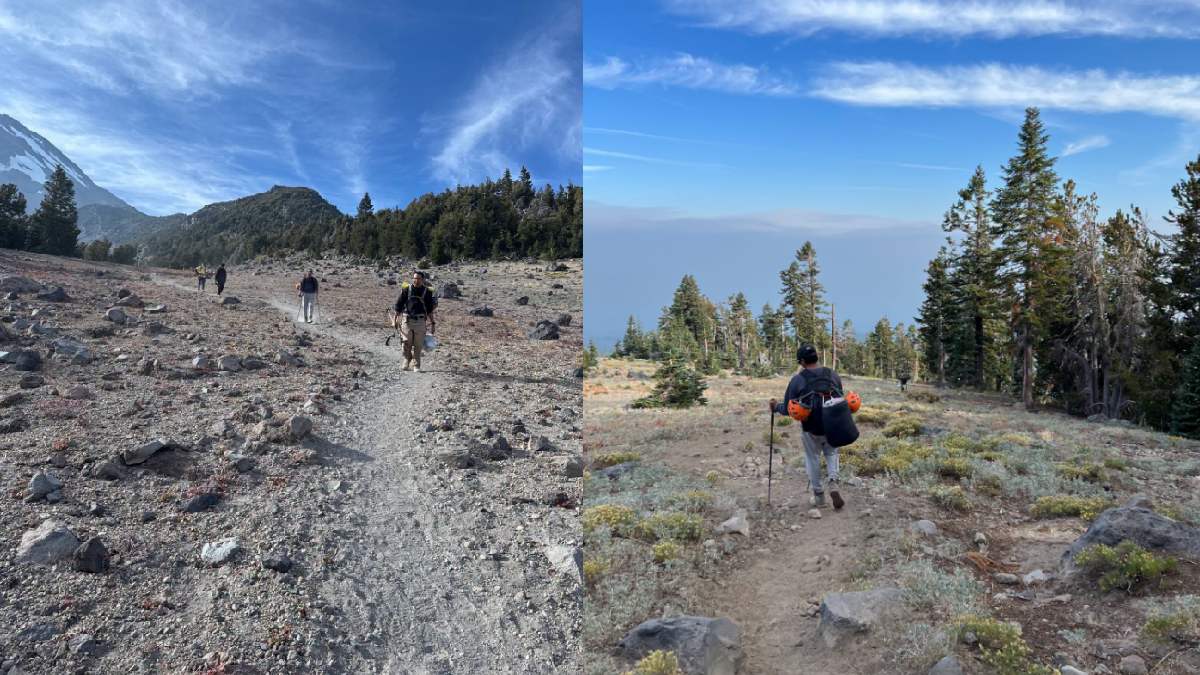
According to the Siskiyou County Sheriff’s Office, the climbers made camp at an elevation of approximately 8,400 feet on Saturday, August 29. The next day, Sunday, August 30, they left the camp with daypacks and began their chase for the summit of Mount Shasta, one of California’s most famous mountain peaks.
The group reached the summit at 7 PM. But authorities said it took several hours after the expected turnaround time of noon. And arriving so late meant the climbers had to start their descent after dark, which made it considerably more difficult and dangerous to climb the mountain.
During the descent, about an hour after leaving the summit, the climbers called Siskiyou County Sheriff's Office Dispatch and asked for directions. Despite assistance, the group
ultimately traveled away from the intended route and joined Mud Creek Canyon.
The situation became more dire when one of the climbers fell and injured his knee. The group was stuck in the canyon and they were unable to continue and the three men had to make a camp in the darkness while they waited for help.
The climbers came down the next morning to the US Forest Service climbing Rangers. The stranded group received medical care and the Sheriff's Office search and rescue unit was called in to help evacuate the group. The climbers and rescue personnel eventually made it back to the trailhead safely.
It was later discovered that the climbers were relying heavily on artificial intelligence to prepare for the trip. They used the technology to identify the climbing route as well as what equipment, food and water should be carried by the group, sources said.
This reliance on AI, according to the sheriff’s office, was a huge mistake. The AI’s guidance, they said, had climbers planning to carry much less food and water than they needed and the climbers anticipated to have on hand. What was expected to only be an eight-hour ascent and descent was rather a multi-day effort that ended up becoming a multi-day one when the group became stranded.
The incident shows rising concern regarding the adoption of generative AI for travel and outdoor adventure planning. AI tools can quickly provide location or route and equipment and itinerary information but they might not always be able to account for the rapidly changing environment, individual experience levels and the specific risks associated with remote locations.
Mountain environments can pose unpredictable challenges, including weather fluctuations, rugged terrain, limited visibility, altitude issues and route-finding issues. An AI system recommendation may also be based on incomplete, outdated or generalized information instead of current conditions reported by local authorities and experienced guides.
One more reason was the late summit arrival in this case. Mountaineering routes can often make turnaround times to minimize exposure to darkness and weather and other dangers, and not such time schedules might be missed and climbers will be stranded in much more challenging terrain on the descent.
The Siskiyou County Sheriff's Office advised people planning to climb Mount Shasta to contact the local US Forest Service Mount Shasta Ranger Station prior to embarking on their trip. Local authorities and rangers can share information about current trail and route conditions, weather, hazards, closures and other factors that may not be accurately reflected in an AI-generated itinerary.
Authorities also emphasized that climbers should never rely entirely on artificial intelligence in the planning of a mountain expedition. AI could be a useful instrument for research but decisions on safety, navigation, food, water, equipment and weather need to be made from reliable and current sources, they said.
The Mount Shasta incident is a reminder that convenience can’t substitute preparation when traveling in remote or dangerous places. AI can help to organize information but mountain expeditions need careful planning, appropriate equipment, sufficient emergency supplies and guidance from qualified local sources.
For climbers who are working in dangerous terrain, the safest approach is to use technology with professional guidance and real-life information. The rescue of the three men wasn’t tragic but the incident illustrates how quickly what seems like a mild adventure becomes a massive crisis if the plan for the route, supplies and timing are not executed correctly.