The Supreme Court on Wednesday, September 9, 2026 asked the complainant in a criminal defamation case against Congress leader and Leader of Opposition Rahul Gandhi to follow the procedure if he wants the matter heard early.
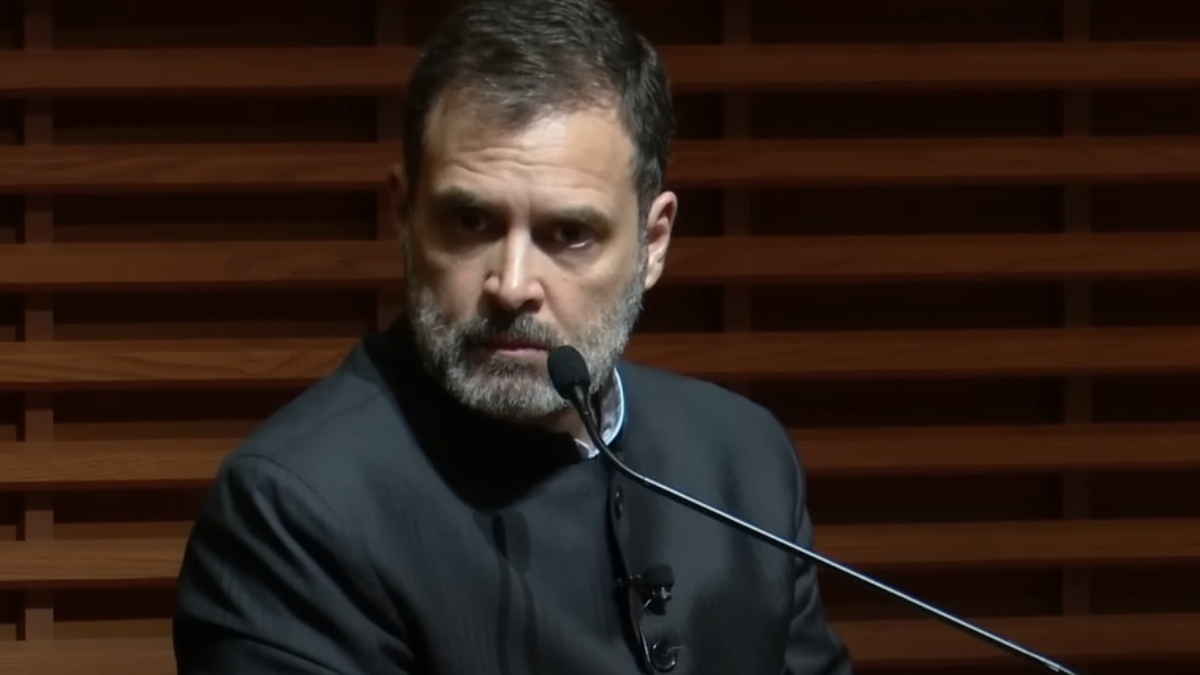
The Bench comprising Chief Justice of India Surya Kant and Justices Joymalya Bagchi and V Mohana made the observation while hearing a request for early hearing. “All parties appearing before us are treated on an equal footing” said the Bench and told complainant to file application formally seeking early hearing.
“Everyone is equal before us,” said the Chief Justice, so let the complainant follow procedure. The court then said it could consider the application in accordance with procedure.
The hearing took place after Senior Advocate Gaurav Bhatia for the complainant said case against Gandhi had been pending without listing for several months. He told court that Gandhi was not a VVIP and questioned delay in listing the matter.
The Supreme Court however said that urgency would have to be established through the regular process not through a direct request for preferential listing. The court directed the complainant to file an application for early hearing.
What Is the Defamation Case Against Rahul Gandhi?
The criminal defamation cases are over remarks Gandhi made in December 2022 on the India-China military confrontation along the Line of Actual Control.
Vivek Tiwari filed the complaint on behalf of Uday Shankar Srivastava (who was then director of Border Roads Organisation) that Gandhi’s remarks about Chinese troops and Indian Army personnel were derogatory and defamatory against armed forces.
Gandhi reportedly had questioned the government’s handling of Chinese actions and alleged that Chinese soldiers were beating Indian Army personnel in Arunachal Pradesh. His remarks became the subject of criminal defamation proceedings.
The case came up in the Supreme Court after Gandhi challenged proceedings against him. A Bench of the Supreme Court had stayed the proceedings while also asking whether some statements of Gandhi were based on credible material or not.
How the Case Reached the Supreme Court
The complaint was first taken up by a court in Lucknow. The magistrate ordered Gandhi to appear in connection with the proceedings.
Gandhi challenged the summons in Allahabad High Court but the High Court refused to interfere. It held that under law "a person who may not be the direct target of an allegedly defamatory statement can also be a 'grievous person' if the statement has caused harm or adversely affected him".
The complainant’s stated connection with and respect for the armed forces was also taken into account when deciding whether he had standing to bring proceedings.
Gandhi then moved the Supreme Court against High Court order.
The latest hearing did not decide whether the defamation allegations were true or false. It was about whether the complainant wanted an earlier listing of the case.
The Supreme Court’s statement that “everyone is equal before us” also meant “follow established judicial procedures when you want priority in the listing of cases”.
The matter is therefore expected to proceed through the court’s normal listing process and any request for an expedited hearing would be dealt with separately.