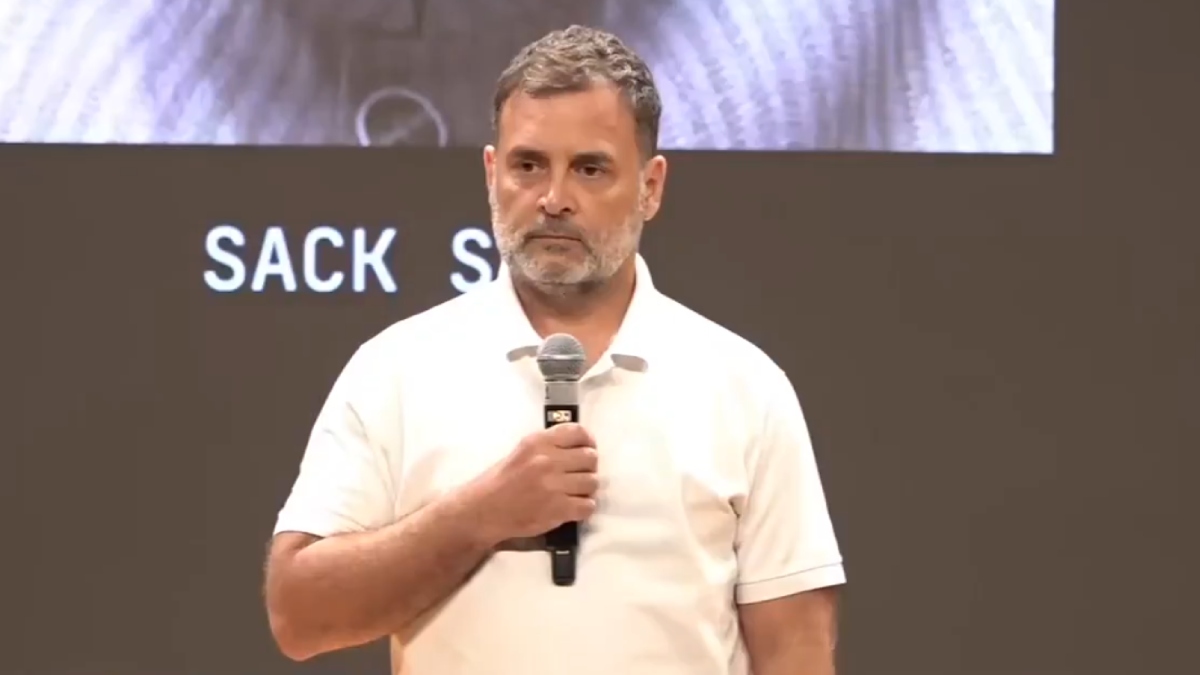
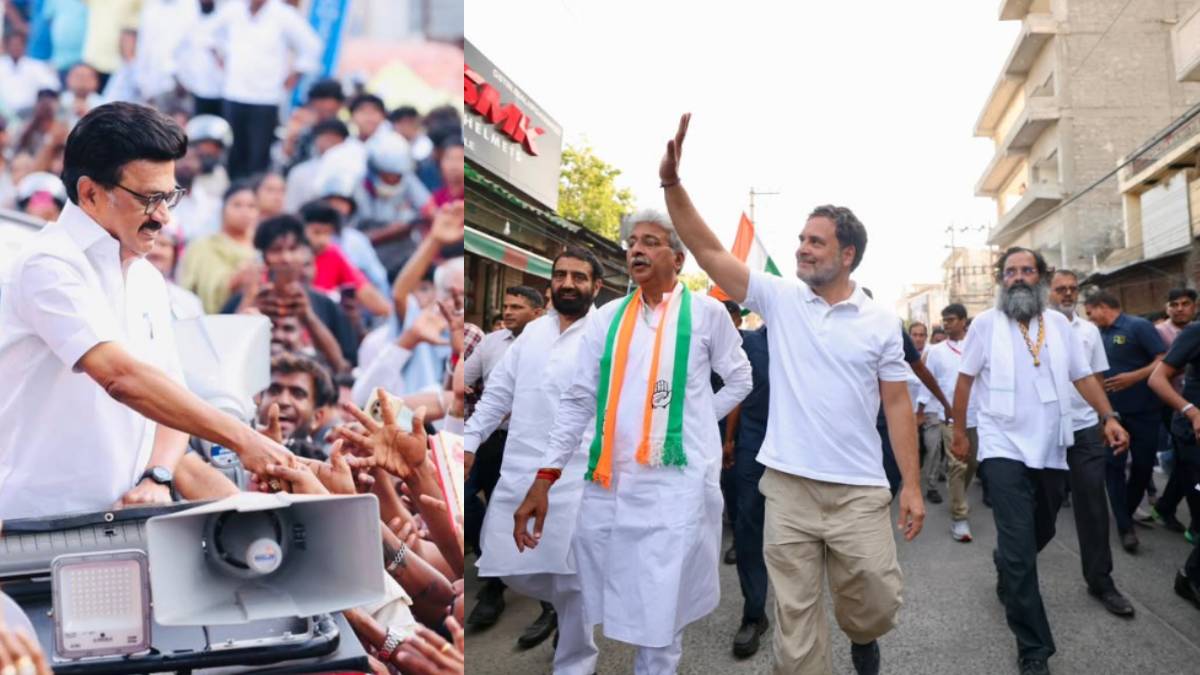
We have already had our congress leader Rahul Gandhi stir discussion of caste and representation once more in India. As he put it during a public gathering in Motihari, Bihar, hospitals like Apollo do not have doctors from Dalit, OBC or Adivasi backgrounds. He linked this assertion with the broader theme, equality stated in the Indian Constitution and that marginalized people are still denied access to essential sectors like healthcare and corporate governance.
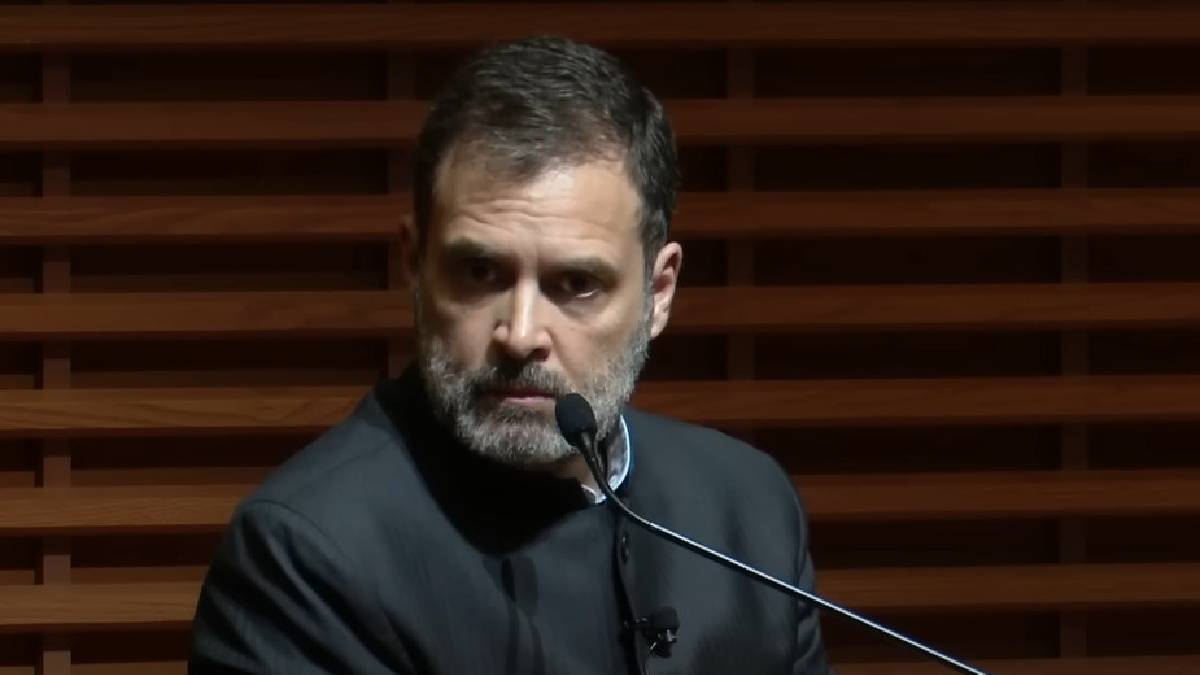
Gandhi rained on making sharp criticism of this: he asked all people to go to Apollo Hospital, he said, and ask if they can find one doctor from Dalit, OBC or Adivasi community. It would be better than not; however, while the Constitution says equality is guaranteed in the Constitution, the truth is very different on the ground. He added that the private hospitals are owned and run by elites and have very low representation of marginalized groups. Supporters applauded him for shining a light on systemic exclusion, emphasizing how caste-based inequality still inhibits educational and occupational opportunities. But critics said he had exaggerated what he said and asked whether his claim about Apollo Hospital was factually accurate. The argument also embodies India’s sensitivities about caste issues, particularly if they’re associated with prestigious institutions.
Rahul Gandhi's comments on the above issue underscore a number of core issues:
- Healthcare Representation: In many parts of the country, disadvantaged groups struggle to obtain medical education and hold elite placements.
- Chief Executive Officer: He said very few CEOs in the upper 500 companies in India are from Dalit, OBC or Adivasi background.
- Equality before the Law: Even though the law is supposed to provide equal rights, as far as we can see by social and economic reality, it doesn’t always mean equality.
- Healthcare Access: He said that that treatment should be the government responsibility and not a privilege imposed by private business owners.
Gandhi advocated for increased integration in education, healthcare, and the corporate world. He said government policies must take on actively removing walls to create opportunities for marginalized individuals. His remarks also rekindled debates around affirmative action, and the need for accountability in private institutions.
Rahul Gandhi’s comment on Apollo Hospital is a contentious statement, and one that has managed to raise awareness of the broader issue of caste representation in healthcare and corporate India. Whether his exact assertion stands true or not, the debate highlights the chasm between constitutional aspirations of equality and the lived experience of marginalized segments of society. Education, healthcare, top leadership In terms of India’s ability to progress, inclusiveness in education, health care and leadership need to become a priority.