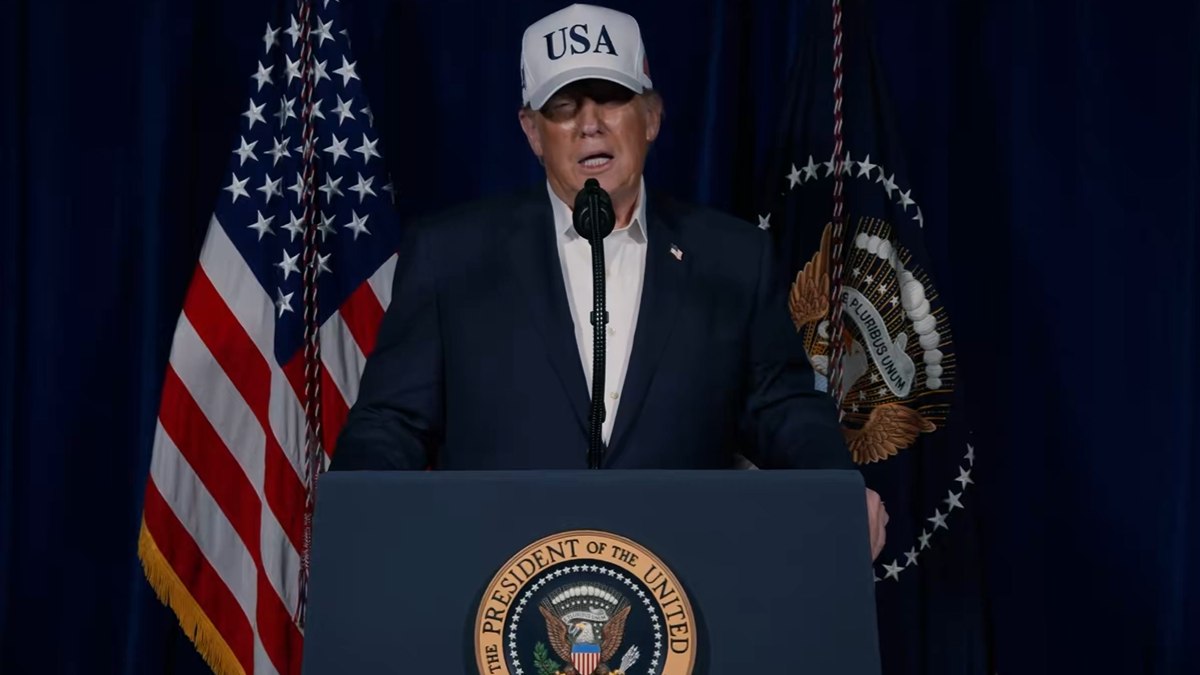
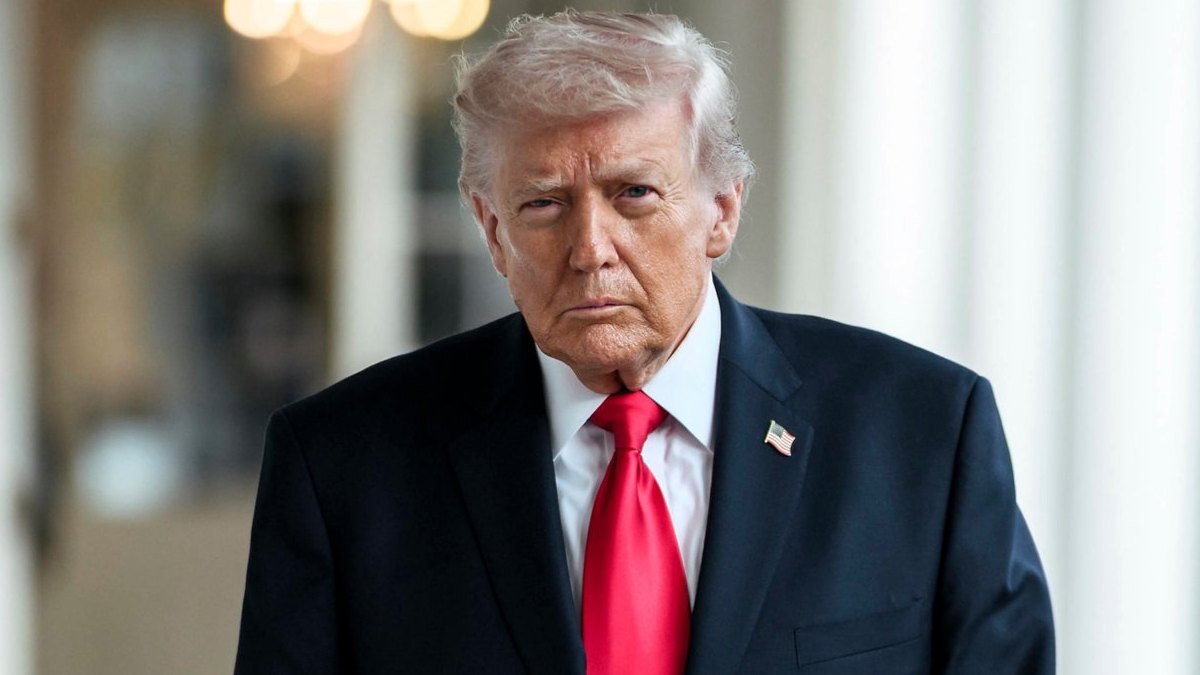
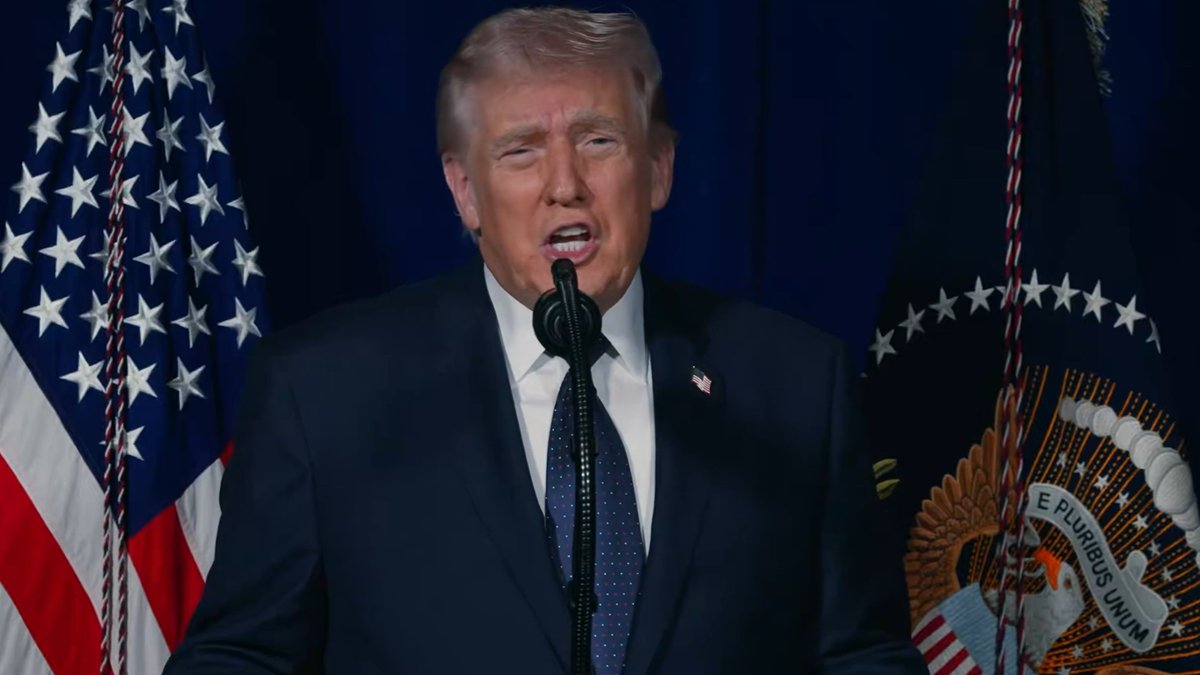
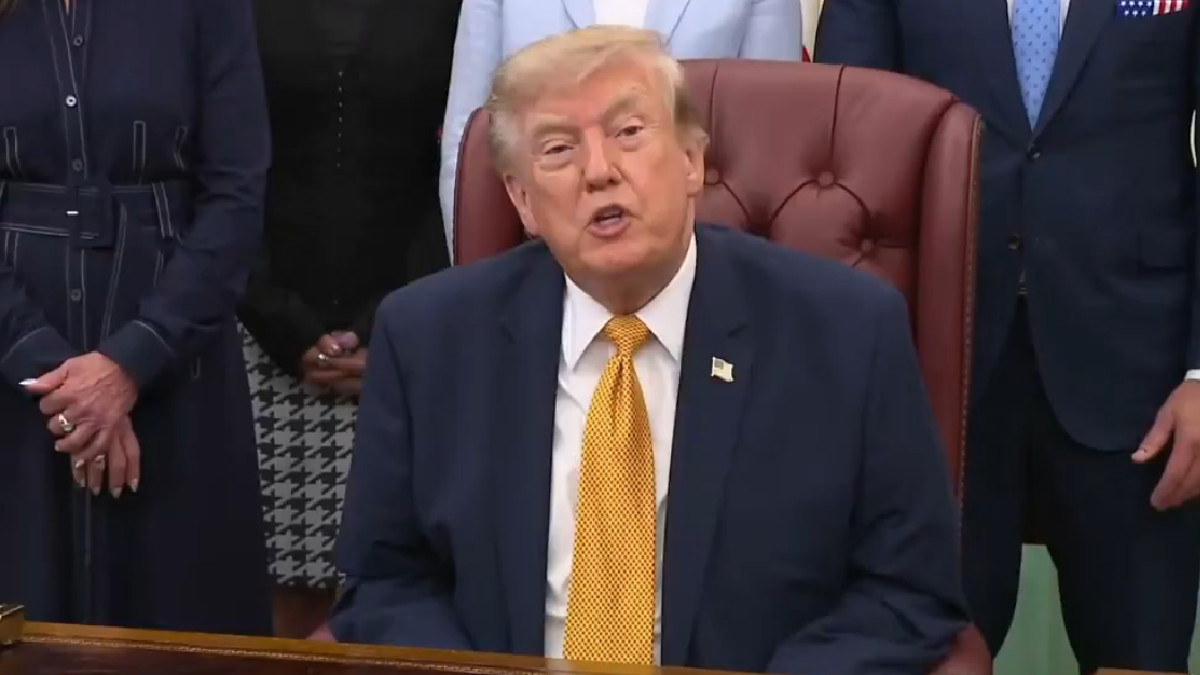
Trump described the ongoing military struggle with Iran as “small potatoes” for the nation and defended Vice President JD Vance’s recent comments that might have made the conflict look like a war. Trump made the comments during a conference call with reporters at the White House, where he sought to downplay the scale of the conflict and point to the relatively low number of American casualties relative to previous US military confrontations.
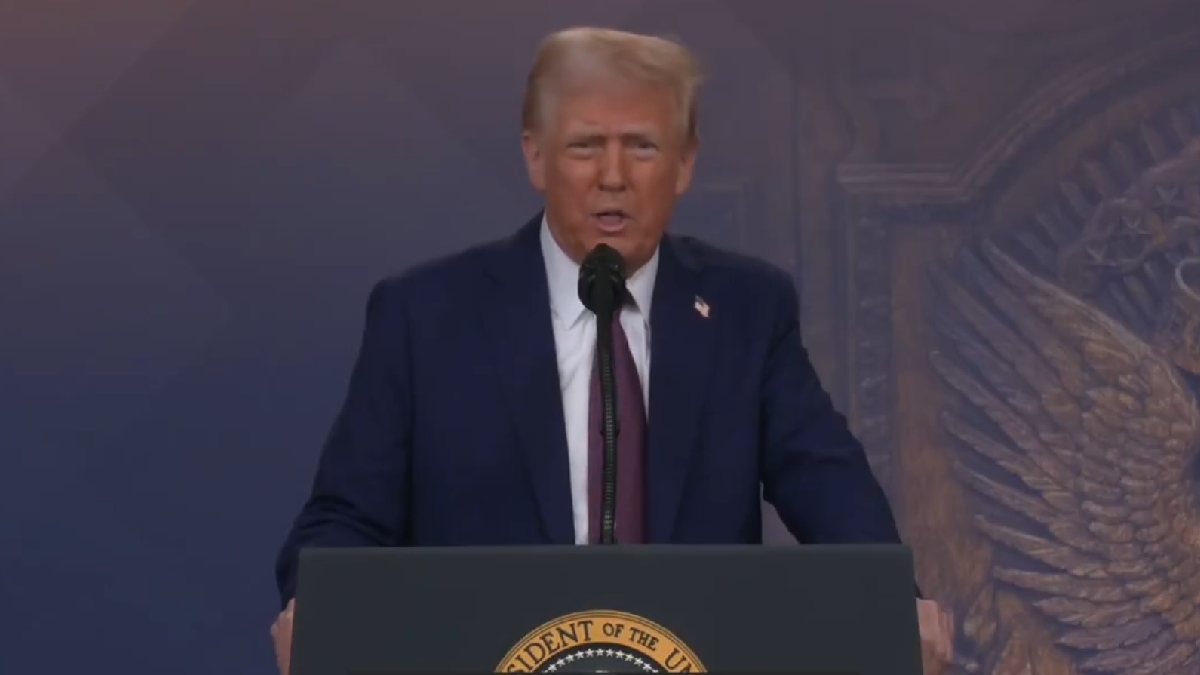
Trump said the US strikes against Iran had become intermittent and argued that many people would not characterize the situation as a conventional war. “I call it a military conflict because it’s small potatoes for us. It’s not a big thing,” he said.
The comments came after Vance faced questions about his description of the Iran fighting. Vance said he would not currently call the situation a war, pointing to the absence of active shooting at that moment.
Trump subsequently defended his vice president and claimed the terminology used to describe the conflict was less important than the military objectives being pursued by the United States. He also employed the number of US casualties to compare the Iran conflict with prior US wars; the losses are far lower than in wars like Vietnam.
“We did Venezuela and we did this. In Venezuela, we lost nobody,” Trump said of the military ventures. Then he claimed that 18 US personnel had been killed in the Iran conflict, which was far fewer than the number of American deaths during the Vietnam War and other major wars.
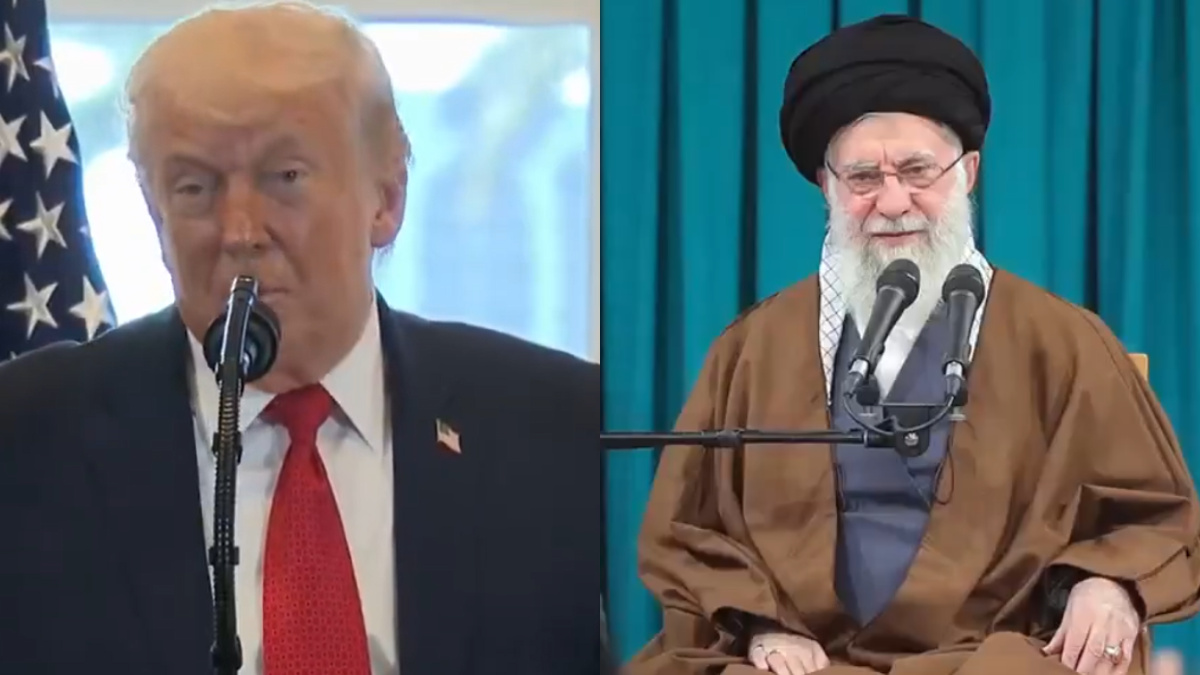
Trump’s comparison was part of a larger attempt to portray the Iran campaign as limited in scale from the US perspective. But the president’s view of the conflict is based on sustained military action and ongoing tension between Washington and Tehran. To use the words “military conflict” and “war” speaks to the politically sensitive nature of the conflict, and that includes the administration’s own questions of objectives, duration and consequences.
The president also renewed his warning that the United States could strike Iran's Pickaxe Mountain facility “very soon.” The location is now a central part of Trump’s rhetoric about Iran’s nuclear capabilities. It is Trump who repeatedly asserts that the US military campaign is aimed at preventing Tehran from getting a nuclear weapon.
“We're in five months now. And you know what we did in five months? They're not going to have a nuclear weapon; that's what we did,” Trump said. He said Iran would not be allowed to acquire such a weapon and he said there would be consequences if Tehran were able to develop one.
The comments underline the administration's continued focus on Iran's nuclear program as a core justification for its military strategy. Trump has said that preventing Iran from obtaining a nuclear weapon is a national security objective and the latest comments suggest he believes that the campaign has already had a good deal of impact.
But the president’s “small potatoes” description is likely to get attention because of the military confrontation and the potential for further escalation. Additional US strikes on Iranian targets would raise regional tensions and raise questions about whether the conflict might escalate to a wider conflict.
Trump’s defense of Vance also shows the administration’s effort to communicate a consistent message about the Iran conflict in the public sphere. Vance has said there is no active shooting and Trump has acknowledged using military force but there is no formal definition of a war.
As the U.S. presidential election draws closer, the administration will be closely watching. The length of the conflict, American casualties, Iran's nuclear capabilities and the likelihood of more military strikes will be all of the issues that will be in the political debate. Trump is in the position right now of framing the conflict as a limited military battle, and he is saying that if Iran is going to develop nuclear weapons the United States is prepared to go to war with them.