Podcasts are transforming the way people consume information in the era of digital media. Raj Shamani’s YouTube podcast has since emerged as a potent illustration of this development. Instead of short sound bites, high-pressure arguments and constrained airplay as most news platforms will offer, Shamani’s show is centered around long-form conversations with the likes of global players. His channel has featured guests including Bill Gates, Vijay Mallya, Michael Phelps, and NASA astronaut Sunita Williams, telling their stories in detail. This format also reflects how the audience of today is more interested in substance, clarity and authenticity than noise and to whom YouTube is serving as an earnest avenue to dialogue and knowledge sharing.
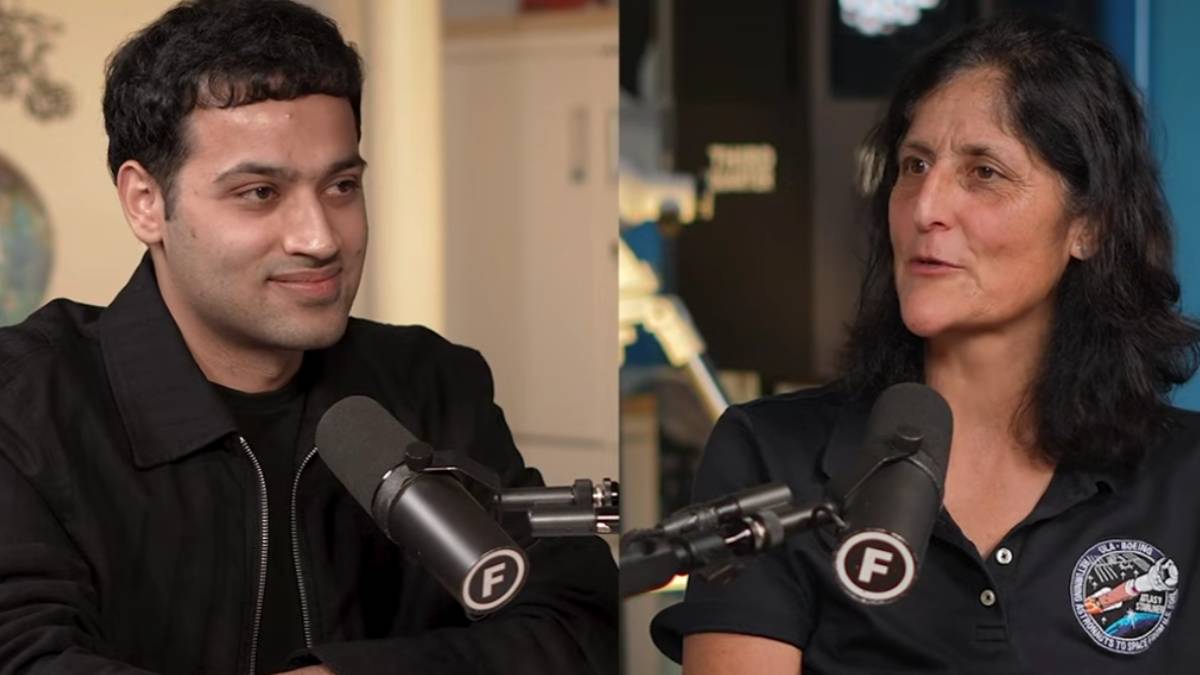
Speed and drama often trump the most popular news channels. Interviews are shorter, panelists speak over one another, and viewers are given a piece of fragments rather than a whole story. Raj Shamani’s podcast departs from this paradigm. His shows let guests have an open conversation, uninterrupted by interruptions and without any hard and fast time limits. This is an opportunity for audiences to learn about a person behind these headlines, their experience and their outlook calmly and wisely. In making conversations the medium of long form, Shamani's podcast actually delivers an added dimension that the regular media often misses in the end. It's not about seeking the news that's breaking all day, it goes out with ideas, experiences and lessons to draw out which might inspire or to inform.
A strength of Shamani’s podcast is his diverse list of guests. It hosts people such as Bill Gates who offer insights into technology, philanthropy and leadership from around the world. Michael Phelps — a great conversation about discipline, mental health, and the life of an athlete. He has Vijay Mallya bring the show closer to Indian business and controversy. Sunita Williams tells us about space exploration and science. This mix of global and local voices is what makes the podcast relatable to so many listeners. It illustrates how YouTube can transcend cultures, enabling viewers in India and abroad to participate in discussions with some of the world’s most consequential figures.
Shamani’s podcast has recently gained rapid popularity, hinting at a larger evolution in audience habits. People are a good starting point, especially when it comes to new ideas and ideas people are weary of the noise, interruption and endless debate. What they desire is realness, truth, and dialogue on the topic. Podcasts give exactly that. Viewers listen at their own pace, slow down and stop when needed, go back and listen to episodes or return later. This flexibility makes podcasts more compelling than normal television programs. When it comes to learning, it has become a great experience, especially when it comes to younger people looking to learn, get inspiration from YouTube. The more the younger demographic joins new media, the more people are going to want to watch YouTube to be educated, inspired and entertained.
YouTube was once primarily a place for music videos and comedy skits and shorter clips of entertainment. Today it is starting to become a serious knowledge-sharing platform. Raj Shamani’s podcast is part of this renewal. Now that YouTube has millions of users globally, it presents potential to reach creators beyond their hometowns. By hosting long-form conversations with global figures, Shamani has turned his channel into a forum for earnest discourse. That indicates that YouTube is no longer just entertainment, but is about forming public opinion, sharing information and forging connections across borders.

Shamani’s podcast’s success bears lessons from experience. First, it shows audiences care more about depth than drama. Secondly, it suggests that well-connected individuals who have the capacity to make noise often like to make room for their voices — that is, people who are big influences will love the place where they are not cut off and not written like a newspaper cover. It shows that, first and foremost, it demonstrates the power as democratic media: through democratization. Now anyone with internet access can listen to interchanges between world leaders, athletes and scientists.
Raj Shamani’s podcast is not only a show but representative of the extent to which digital media is redefining communication. Focusing on long-form conversations with the world’s most global personalities in space, he has created a space where ideas can be exchanged calmly and productively. His podcast is so widely popular that he is talking about how people listen to him because they want substance, clarity and authenticity, not noise. This moment also demonstrates how YouTube is changing from a site for entertainment into a center for serious international dialogue and knowledge sharing. In this fast-paced world of updates and notifications, Shamani’s podcast shows us what listening and learning to a topic can offer, and how people do all that through thoughtful discussion.