Baba Ramdev has been at the centre of the latest political row after saying people should not fear the idea of a "Hindu Rashtra." But now the political parties, social commentators, and social media users are in a state of heated debate over India's secular identity and what a Hindu Rashtra is.
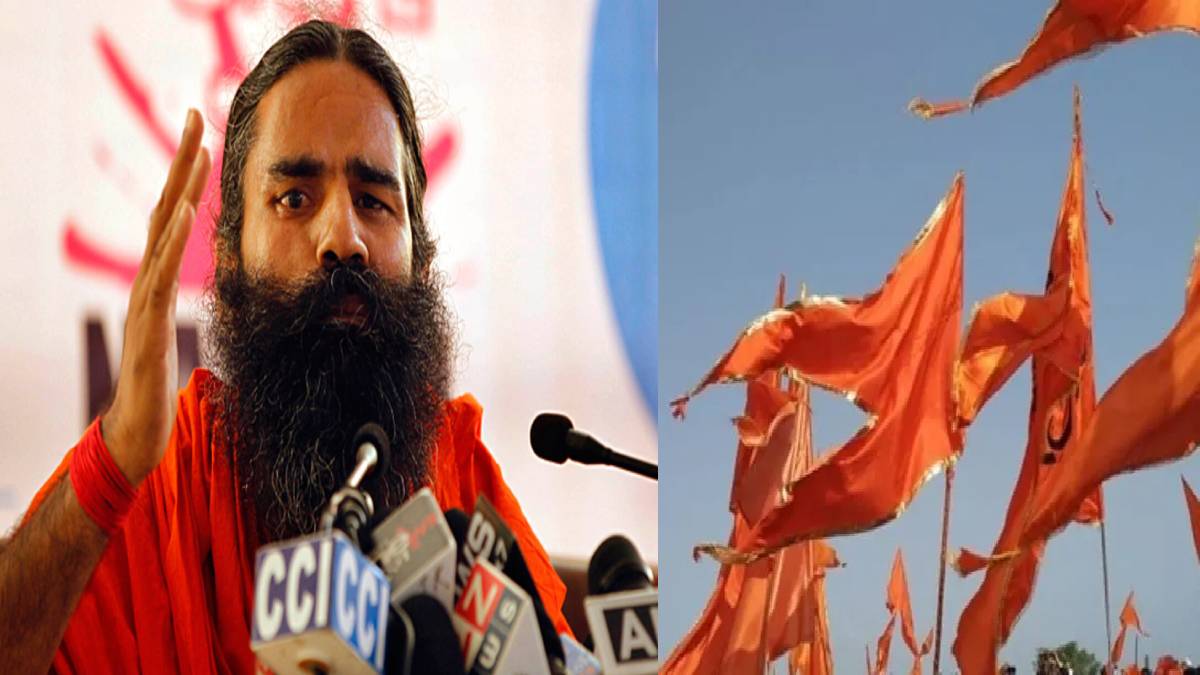
Ramdev told the national audience that the concept “Hindu Rashtra” shouldn’t be taken with suspicion or fear. He said it’s a concept that is rooted in India’s cultural and civilizational heritage, rather than against any community. India’s heritage is of diversity, and its culture of coexistence and respect for diversity is the main attraction on which the country’s culture is built, he said.
Ramdev added: “The expression is often misunderstood or interpreted through a political lens.” He also noted that India’s cultural ethos has always welcomed people from whatever background and that the concept of a Hindu-majority nation doesn’t mean that minority people are not included. He was on fire in internet forums and the news media, too.
The comments were met with criticism by opposition leaders and civil society groups who claimed that references to a Hindu Rashtra raise constitutional and political issues. It is argued that India's Constitution defines the country as a sovereign, socialist, secular, and democratic republic, and so statements promoting a religious identity for the nation would cause division. Political leaders said Ramdev was promoting a political agenda that they say would run counter to secularism.
The responses of Ramdev’s supporters were that they were not to promote changes to the constitution but to highlight India’s cultural identity. They also said that recognition of India’s ancient traditions and Hindu civilizational roots would not mean fewer rights or lower status for people from other religions. Many also said that cultural nationalism has been a political issue for decades in India, and the discussions have always been diverse, and not all people think at the same time.
The debate has once again brought the term "Hindu Rashtra" into national discourse. It has been interpreted differently by scholars, political groups, and ideological groups in the past. The word can be interpreted as a cultural and civilizational identity, to some extent because of India’s historical heritage. For others, it raises questions about the relationship between religion and state in a constitutionally secular democracy.
Legal experts say any change in the constitutional character of the Republic would require a democratic and constitutional process. India is still under the constitutional framework, and cultural identity and secularism are still being debated in the country's democratic institutions.
Such comments by high-profile figures can be the start of a national dialogue about identity, politics, and constitutional values very soon. Ramdev's supporters say he is saying he wants to know who we are and how we are as people, and his comments should be framed sensitively because he is a man of faith. Political parties and public figures will keep up the debate.