Mumbai-Ahmedabad High-Speed Rail (MAHSR) project is going to set the stage for a new milestone next year with the Surat-Bilimora section becoming the first to be a bullet train line in India. Union Railway Minister Ashwini Vaishnaw announced that the first stretch will be opened in 2027 in the country for the start of the long-anticipated high-speed rail.
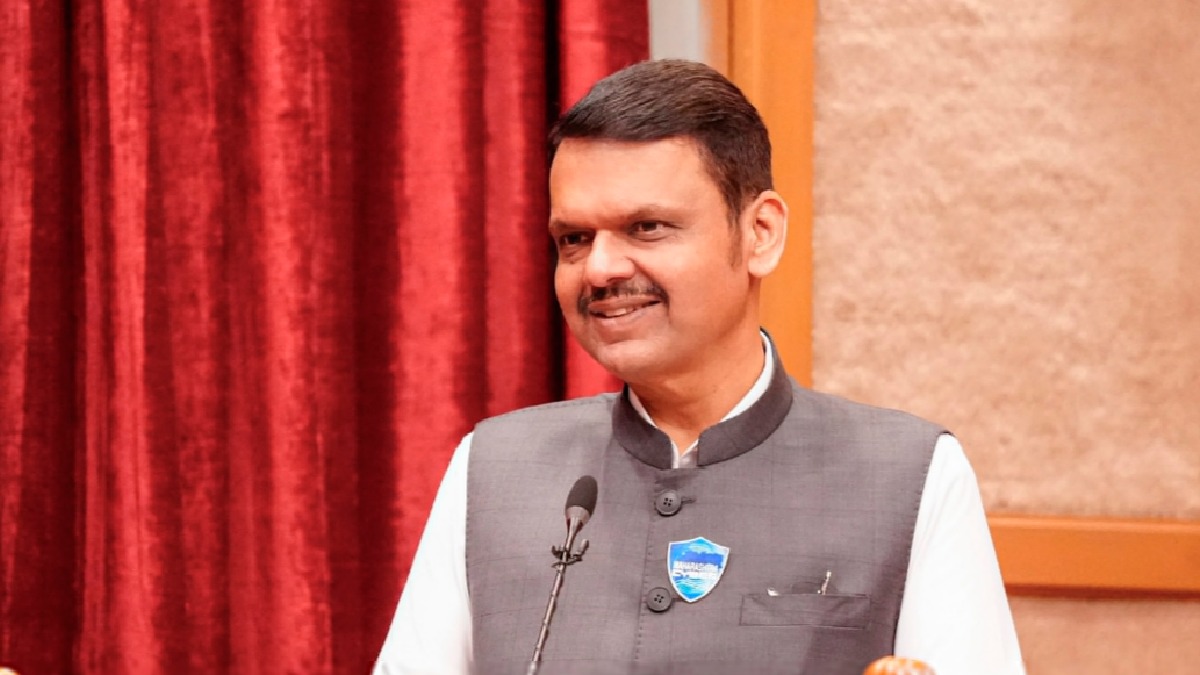
While speaking at the HYSEA GCCS & IT Roundtable in Hyderabad, the Railway Minister said construction on the country’s first bullet train corridor is progressing at a fast pace. He said the first operational segment between Surat and Bilimora in Gujarat will be launched next year, and the remaining parts of the 508 km corridor will be opened in phases.
Phase-Wise Rollout Planned
Vaishnaw outlined the phased commissioning plan for the project. After the Surat-Bilimora section, services are expected to increase gradually to:
Vapi–Surat. Vapi–Ahmedabad. Ahmedabad–Thane. Ahmedabad–Mumbai
This staggered approach will allow passenger operations to begin while construction continues on the remaining sections, particularly the technically challenging portions in Maharashtra.
India’s First High-Speed Rail Corridor
The Mumbai-Ahmedabad Bullet Train project is India’s first dedicated high-speed rail network and is being implemented by the National High Speed Rail Corporation Limited (NHSRCL) with financial and technical assistance from Japan.
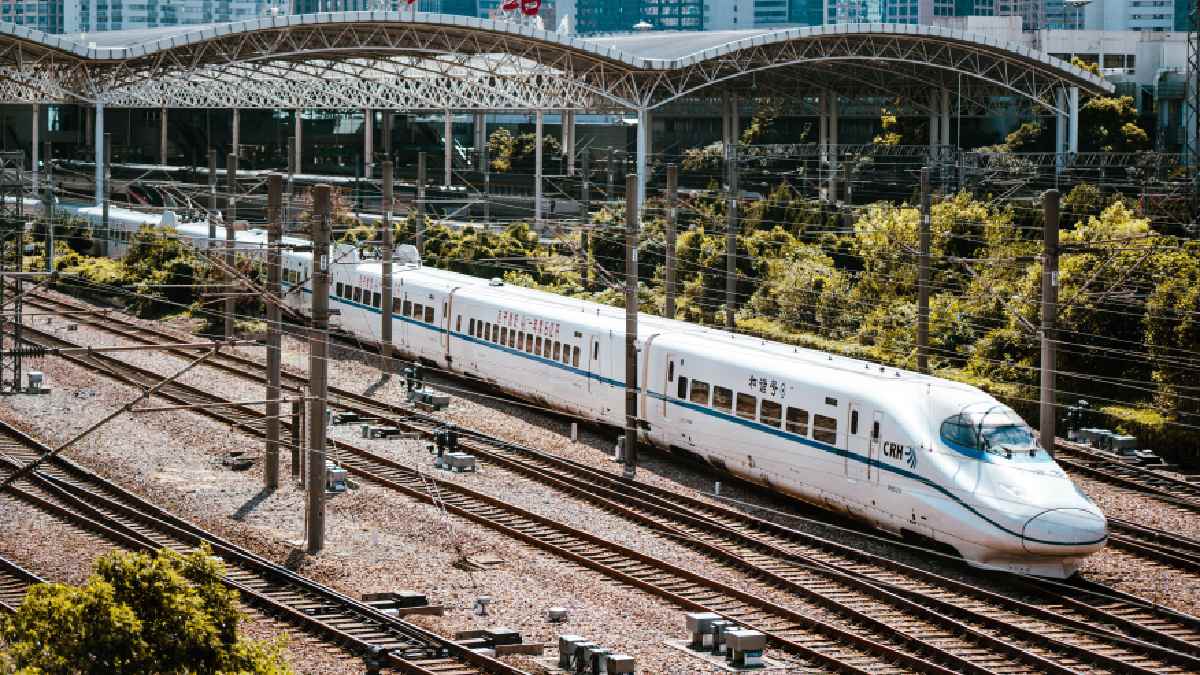
The corridor has a length of 508 kilometres connecting 12 stations from Gujarat, Dadra and Nagar Haveli to Maharashtra. Once fully operational, Japanese Shinkansen E5 Series technology is expected to power trains capable of speeds of up to 320 kmph reducing travel time between Mumbai and Ahmedabad from nearly seven hours to around two hours for limited-stop services.
The route includes major stations at Mumbai, Thane, Virar, Boisar, Vapi, Bilimora, Surat, Bharuch, Vadodara, Anand, Ahmedabad and Sabarmati.
Why Surat-Bilimora First?
The Gujarat section has seen quicker construction progress due to earlier land acquisition and faster execution. Most of the civil works, including viaducts, bridges and station structures in Gujarat are much ahead of schedule compared to Maharashtra, where complex underground construction and land acquisition made construction slow.
One of the engineering highlights of the project is the 21-kilometre underground tunnel between Bandra-Kurla Complex (BKC) and Shilphata, including a 7-kilometre undersea section located beneath Thane Creek. This remains one of the most technically demanding aspects of the project.
Modern Infrastructure And Passenger Experience
The bullet train corridor will have earthquake detection systems, advanced signalling technology, automatic train protection, platform screen doors and dedicated high-speed tracks designed exclusively for bullet train operations.
Stations are being built with airport-like facilities, seamless multimodal connectivity and modern passenger amenities aimed at transforming India’s rail travel experience.
Railway Modernisation Continues
Apart from the bullet train update, Vaishnaw also detailed the government's railway modernisation programme under the Amrit Bharat Station Scheme. A total of 261 railway stations in India have already been renovated or rebuilt under the Nav-Nirmaan programme, with hundreds more still to be transformed, he argued.
The station redevelopment programme will focus on modern passenger facilities, better accessibility to the service, digital services, better waiting areas, upgraded platforms and enhanced connectivity.
A Landmark For Indian Railways
The Surat-Bilimora stretch will launch in 2027, and India will join a global league of nations with real high-speed rail. And while the full Mumbai-Ahmedabad corridor will take a little longer to become operational, the phased rollout is a significant step towards improving India’s transportation infrastructure and introducing world-class rail technology to millions of passengers.