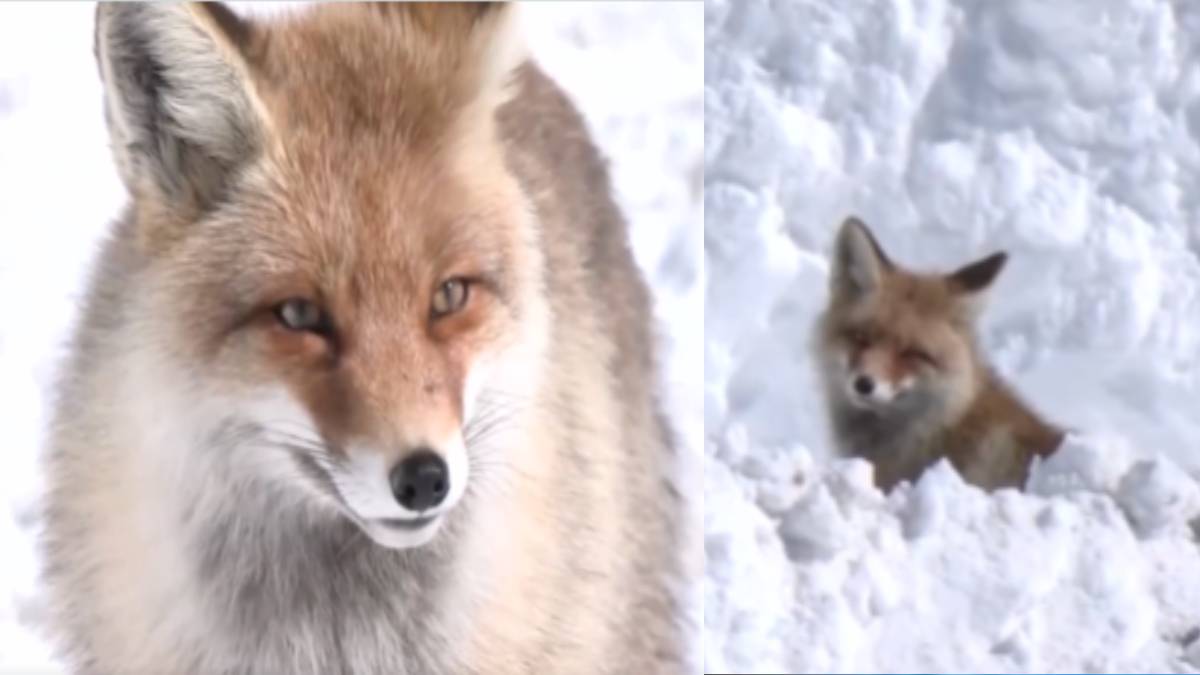
Nature takes us all by surprise with uncommon and eerie visits that keep us alert to its splendor and enigma. In a different way entirely, there is a rare Himalayan Red Fox which was found recently at Zojila Pass in Jammu & Kashmir. This sighting is a little special because normally a Himalayan Red Fox would be most commonly seen at a very high altitude or away from human sight. This animal is recognized here for being clever and adaptable and now has entered meadows at a lower level as a result of heavy snow coming down on Himachal. The event has been popular with wildlife enthusiasts and scholars who wish to observe the life journey of one of the most elusive creatures of the Himalayas.
About the Himalayan Red Fox
The Himalayan Red Fox is a subspecies of the common red fox, which exists to survive in the very frigid harsh terrains of the Himalayas. Its thick fur, keen senses and smart hunting skills suit it excellently for living high on the plateau. These foxes are typically solitary, cruising softly over snowy fields to hunt for food. We all know them for their intelligence and being cunning. In folklore and stories, foxes are described as cunning dabblers and in the wild, the Himalayan Red Fox embodies that reputation.
Why the Sighting Matters
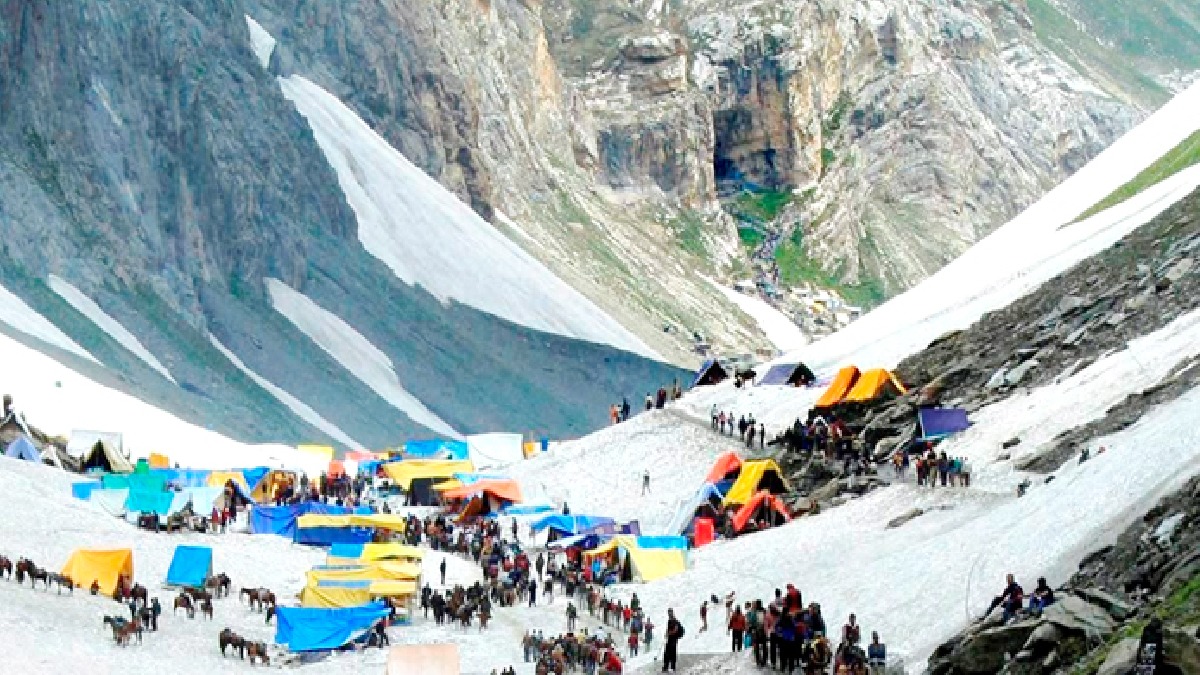
A Himalayan Red Fox is infrequent to find in places such as Zojila Pass, since these creatures generally remain hidden in some remote part of the country. The recent heavy snowfall in the Himachal range forced them to relocate into lower meadows and be more visible. This shift reflects how wildlife adapts in response to shifting weather.
Such sightings are important for researchers. They're useful in determining how animals respond to changing climate, the pattern of snow and the extent of human activity in the area. For locals and tourists, it’s a testament to the great diversity of Jammu & Kashmir.
Clever Nature of the Red Fox
The Himalayan Red Fox is beautiful and also very clever. It hunts little creatures tiny birdlings, sometimes even insects with intelligence. It adapts its diet based on availability and thus, it can exist in harsh environments.

Foxes are known to be clever in their survival strategies. They stealthily work their way toward defending themselves from predators, they do so by stealth when they roam, crouch in rocky terrain and sense danger with the best senses, but they move quietly in rocky sections in which they go out the way of nature, using acute senses of danger. Some of this cleverness has been one reason why they have endured for centuries in such harsh surroundings.
Effects of Snowfall on Wildlife
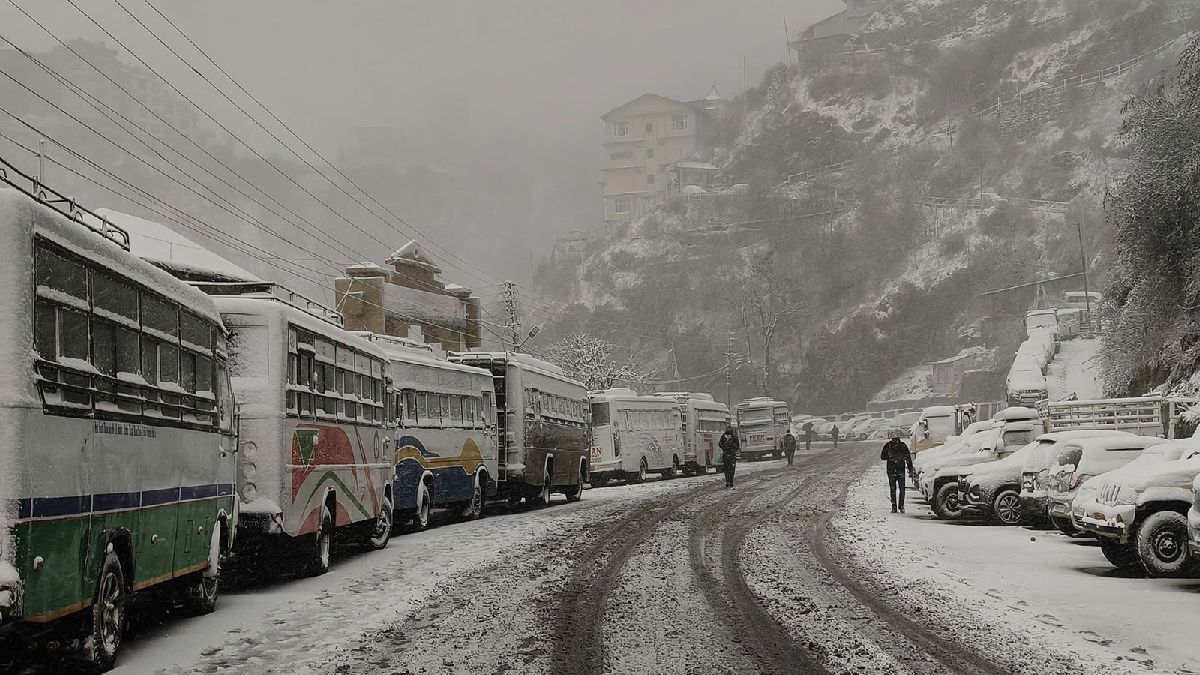
The severe snow accumulation in the Himachal range has also impacted on people as well as for wildlife. Animals that typically dwell at elevation are now retreating to the lower range in search of food and shelter. This includes the Himalayan Red Fox.
And in those cases, these changes can drive animals closer to human settlements and thus increase chances of conflict. But they also give people chances to see rare species that are often hidden. But all of this needs to be kept in perspective that these are part of the ecosystem we live in and need to respect and protect them.
Conservation Importance
The sighting of the Himalayan Red Fox demonstrates that conservation is a good idea. The Himalayan region and Jammu & Kashmir serve as home to a wide variety of rare species, including snow leopards, Himalayan bears and red foxes which are found in large numbers in this part of the world.
To protect these creatures is to protect the balance of nature. Efforts should aim to minimize human disturbance with a view to safeguarding wildlife from extinction while at the same time avoiding any loss of habitat, and provide for life-time conservation programs for wildlife in large areas. Awareness from locals as well as tourists is equally vital. The only way to protect these rare species to protect these animals, to keep the planet safe, is to respect wildlife and not do harm.
That is why there is a rare sighting of Himalayan Red Fox at Zojila Pass. These intelligent creatures, which usually huddle in the mountains, have now moved to cooler pastures amid heavy snowfalls. For scientists, it’s the opportunity to study their behavior. As for the public, it is a chance to admire the range of animals in Jammu & Kashmir.
The incident also demonstrates to us the significance of conservation and of reverence for the natural world. The Himalayan Red Fox is an animal, and yet he, too, is a representation on Earth of survival, brilliance and how it’s learned to survive and adapt in the most extreme environment possible. Such species need protection so that future generations can continue to see the magic of the wild.