Germany is on one of the largest military expansions of national development in decades — a major military overhaul in the post-war posture, as Germany considers a decisive defense strategy in 2026. Joining the German military carries a stigma historically. Soldiers frequently encountered hostility or indifference from the general public, a sign of Germany’s pacifist post-World War II psyche. But “perception” is gradually changing, and that, according to the Guardian’s Berlin correspondent Kate Connolly, can’t be denied. “I’ve seen lately people get in conversation with soldiers, which I hadn’t seen before … at the end of the conversation, thanking him,” she explained.
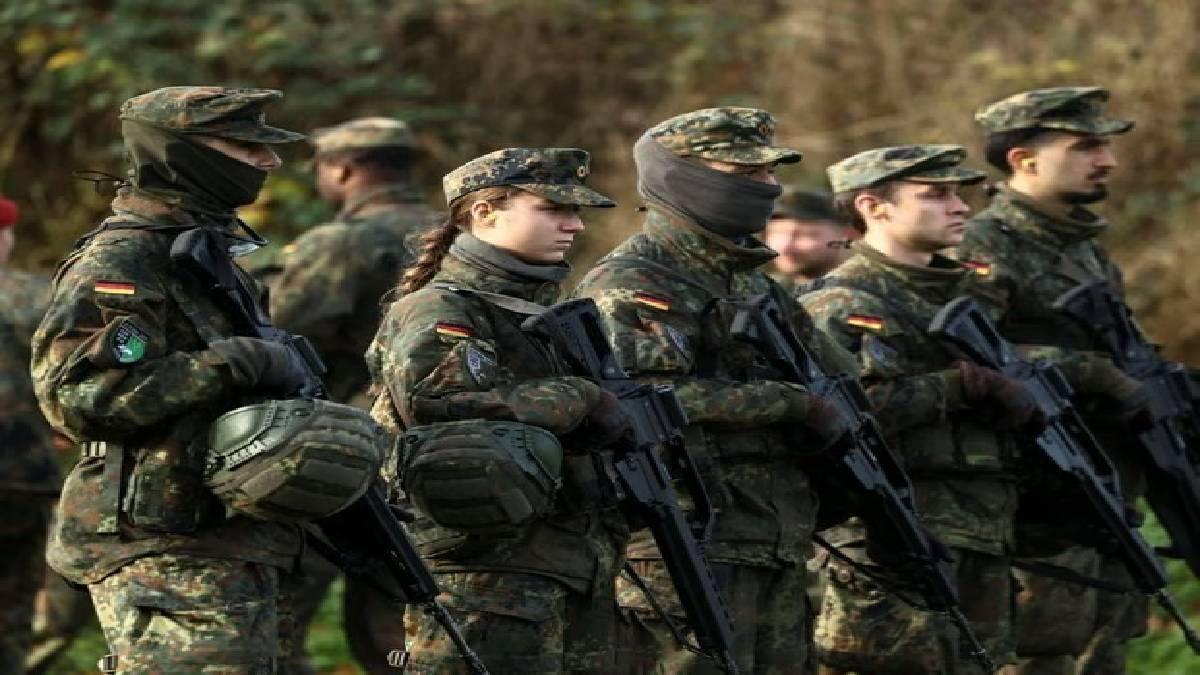
Changing Perceptions
This transformation is occurring amidst a tense geopolitical backdrop. Increasing instability in Europe, especially as a result of Russia’s actions, has led Berlin to fast-track its rearmament program. The government has also undertaken massive recruitment drives and increased investment in military equipment to modernise its armed forces and comply with NATO commitments.
Challenges Ahead
But the initiative is not without its challenges. Politically Germany has to reconcile the rapid militarization of itself with its pacifist traditions. Economically, there are heavy investments necessary to finance the expansion, and it could also impact other public services. On a social level, the nation is grappling with what it means to be a military power in modern times.
Public Acknowledgement
Against this backdrop, the rearmament programme signifies some acknowledgement by the German public that security threats have changed and the electorate is becoming more ready to support its armed forces.
Strategic Importance
With the country racing to renew an army, the next few years will shape Germany’s standing in Europe and the world at large.