The Justice For Bapuji social media campaign has revived discussions of the Right to Health, humane treatment and access to health care for the elderly in an age of chronic ill-health. The followers of the 87-year-old spiritual leader have appealed to authorities to ensure he receives timely and appropriate healthcare and have also stressed that they are looking for justice and compassion.
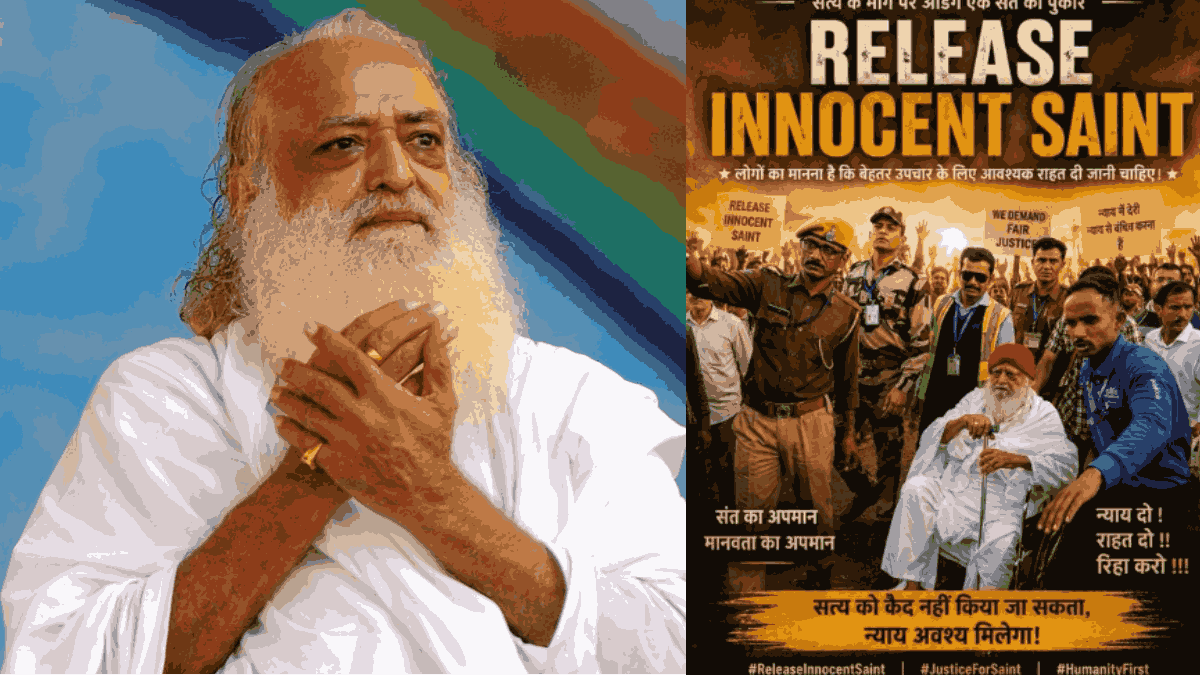
The campaign has been effective in digital channels and is currently gaining ground: they say healthcare is a basic human need that everyone should have access to, no matter their legal status or circumstances. They believe that elderly people, especially those in a crisis state and with serious health problems deserve dignity and care with respect and compassion.
According to campaign messages circulating online, supporters say the case against the spiritual leader is unjust and they have referred to it as a “bogus case” and argue that an old person who has been doing so much for society and human welfare should not be denied essential care in retirement. In the campaign, they say that proper treatment for senior citizens is a moral and humanitarian obligation, as well as a legal duty.
The appeal highlights the spiritual leader's age, saying that at over 87 years old he is vulnerable to age-related health complications. They say advanced age is too old not to need care and constant health monitoring. It is clear, they say, that global human rights principles and constitutional values are based on the notion of protecting the health and dignity of the elderly.
Supporters also point to the wider issue of healthcare rights in custodial settings. Human rights organizations around the world have always believed that prisoners and detainees are entitled to medical care. Age, illness, and humanitarian concerns should be at the forefront of the decision-making for the health of elderly people, the campaign says.
The Right to Health is now a vital topic in public discourse. Healthcare is a fundamental right for many people that is recognized as a fundamental element of humanity (as outlined in the Bill of Rights). Most people believe governments and institutions should do more to provide timely medical care for those suffering from serious illnesses; senior citizens in particular are at risk of deteriorating quickly without proper care.
We want people to unite in peace and raise awareness about what we feel is a humanitarian issue, not a political issue, supporters in the #JusticeForBapuji movement say. And no matter who thinks differently about what laws are there, every person deserves the basic healthcare and compassion of the medical profession.
The campaign has also raised questions about how to balance the judiciary and humanitarian concerns. And while legal processes are well established and lawyers can follow them, issues concerning elderly and critically ill people are sensitive and health is of the highest importance.
We must point out that allegations and legal disputes involving the spiritual leader have been raised. Legal interpretation and court processes for any such claims of innocence or the nature of the case will be a matter of interpretation. Public campaigns are the opinions of supporters and need not be viewed as judicial findings.
The Right to Health is still at the heart of the debate as we continue to discuss online. Advocates would hope that authorities would prioritize proper medical treatment, follow humanitarian values and help elderly people get the care they need while legal processes carry out properly.