Karnataka Minister and Haveri district in-charge minister Rudrappa Lamani has been fined around ₹3 crore for violations of stone quarry licence conditions. The quarry is located near Hunasikatti in Ranebennur taluk of Haveri district.
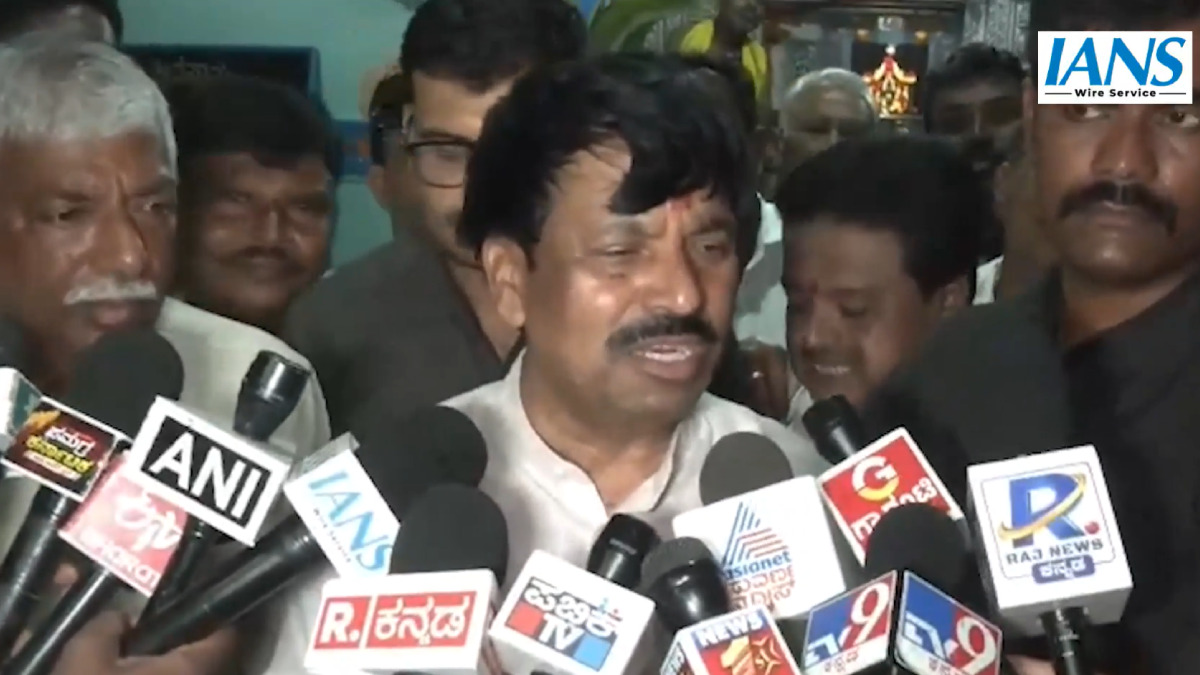
The department also issued a notice to Lamani and gave him six months to pay the penalty. The amount can be paid in three instalments. Lamani is in a position to be criticised by the government because he is a quarry owner and also a minister in the Karnataka government. The department is investigating whether several stone quarry operators in the Haveri district are responsible for violations, he said.
According to the findings, the quarry was found to have exceeded the licence's limits in the extraction and transportation of stones. The investigation was done by officials based on documentation and a survey for violations in quarrying.
The Karnataka State Remote Sensing Applications Centre (KSRSAC) conducted a drone survey of quarry sites, which was reported to be done to identify where quarry operators may not have been working legally, or where quarry operators were working illegally, in violation of licence conditions and enforcement.
According to the survey and the assessment, more than 60 stone quarry owners in Haveri district have been accused of such violations. Lamani's quarry is one of them.
According to the department’s notice, Lamani has six months to clear the ₹3 crore penalty. The quarry was licensed in Lamani’s name several years ago, and officials later found evidence that quarrying activities had exceeded the permitted limits, the sources said. The penalty reported against quarry operators in the district is not a single case involving the minister alone.
Other quarry and crusher operators were also reported to have been punished as a result of this assessment. This wider enforcement drive has put the enforcement of quarry licences, permitted extraction areas and monitoring of mining activities in Haveri more in the spotlight.
Remote sensing technology has become a big driver in identifying alleged violations. Drone surveys can help authorities understand quarrying areas and compare actual excavation with permitted boundaries and other regulations. In this case, the survey helped to identify possible deviations at several quarry sites and was used to initiate departmental action and notifications to quarry owners.
The extent of extraction, the locations and other relevant records will be weighed by the authorities, and the liability of one or more of them will be determined. The investigation involved more than 60 quarry owners and indicates the department's investigation extends across the district's quarrying industry, not only to one operator.
This has also raised a lot of political and industry discourse in Haveri. Basavaraj Belavadi, president of the Haveri District Crushers and Quarry Owners Association, commented on the penalty imposed on Lamani. Belavadi said the minister had been fined ₹3 crore and Lamani had not been able to bring up the issue with the Chief Minister.
Belavadi also said quarry owners had been forced to come together on this matter, and that the violations were now recognised as errors. These statements are made by the association president, and his take is what he says about the issue, although the departmental action is on quarry licence violations.
The ₹3 crore penalty against Rudrappa Lamani has therefore become a significant development in the ongoing scrutiny of stone quarrying activities in Haveri district. Now that the department has given six months and three instalments of payment, and the notice and quarry licence violations are under investigation, I think people will now be more concerned about compliance with it and for other quarry operators.
More than 60 quarry owners have been punished, and therefore the enforcement of quarry licences and quarrying in the district is likely to be intensified. As we move on, more information may emerge on the amount of stone extracted that is above the permitted amount of stone and how much is coming off the ground, whether there is any intrusion and the action taken by the other quarry operators.