India has intensified the promotion and protection of its civilizational heritage in the past 10 years. During Narendra Modi's time as Prime Minister, ancient Hindu temples were revived overseas, relations with the global diaspora were strengthened, and Indian spiritual traditions were highlighted in the world. The development of these works is seen as part of the larger project of cultural tourism in Sanatan, and heritage experts also stress that many restoration projects have been made with the cooperation of the host governments, local communities, religious organizations, and international conservation organizations.
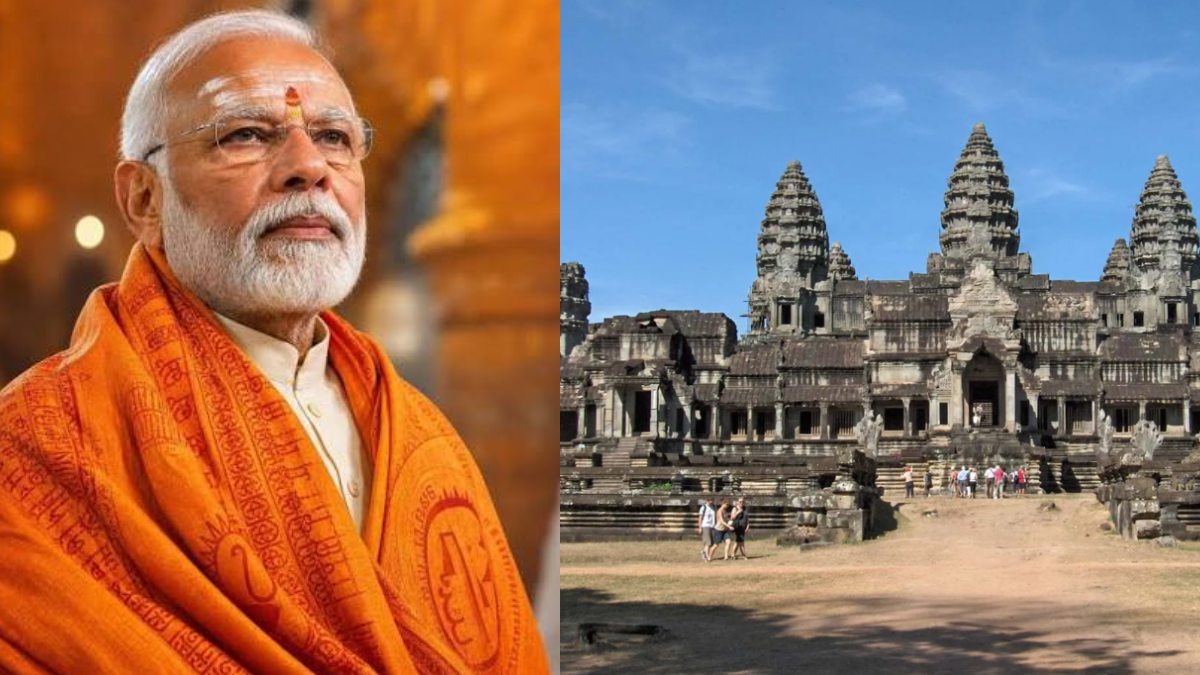
Ancient Hindu temples in countries like Nepal, Sri Lanka, Indonesia, Cambodia, Vietnam, and other countries with large Indian diaspora communities have long been symbols of India’s historical cultural ties. Many of these temples date back centuries and represent the spread of Indian philosophy, architecture, trade, and religious traditions throughout Asia and beyond. Some of them were damaged in the past due to natural disasters, conflicts, neglect, and time, so restoration and conservation are all the more vital.
India has also expanded its cultural diplomacy by collaborating with partner countries in preserving shared heritage sites. Through government agencies, cultural institutions, archaeological collaboration, and diplomatic efforts to support conservation projects, technical expertise, and cultural exchanges, India has often joined the work already being done by local authorities and heritage organizations.
There is also a lot of cultural interaction with the global Indian diaspora that has been a part of India’s cultural outreach. Millions of people of Indian descent in North America, Europe, the Middle East, Africa, Southeast Asia, and Oceania still have strong cultural and religious traditions. The temples established by these communities are now cherished places for worship, education, language preservation, and cultural festivals. When visiting overseas, Prime Minister Modi is in good touch with the diaspora communities.
Another visible development has been the return of stolen or illegally trafficked religious idols and antiquities to India. A number of countries, such as the United States and Australia, have returned their ancient sculptures and artifacts after investigations into illicit trafficking networks. Archaeologists, historians, and cultural organizations have hailed these repatriation efforts as a significant step forward in the preservation of India’s history.
In India, numerous major temple corridors and pilgrimage infrastructure developments have been initiated over the past 10 years. At some very important places in society, the development of the road network, visitor facilities, conservation, and tourism infrastructure have been carried out in order to better serve these places and to preserve the historical and architectural profile. Those who believe that such projects have not only safeguarded but also promoted the economic development of the local community when it comes to tourism have a positive impact on the development of the area.
Internationally, India’s cultural diplomacy has extended beyond temples. Yoga, Ayurveda, classical dance, traditional music, Sanskrit studies, Buddhist heritage, and Indian cuisine have been pillars of India’s soft power. The International Day of Yoga, which is celebrated by many countries, has only further increased the awareness of India’s ancient traditions and wellness practices.
Cultural diplomacy can help strengthen bilateral relations, the experts argue, in order to develop people-to-people ties as well as economic and strategic partnerships. Shared heritage projects also promote tourism, academic collaboration, archaeological research, and intercultural dialogue between nations.
At the same time, heritage conservation professionals say that the conservation of ancient temples will need scientific restoration methods that are based on scientific research and local law, sustainable funding for the restoration, and cooperation with historians, archaeologists, conservation architects, and the local people. The restoration must be done with a balance between religious significance and international conservation standards in order to protect these monuments for future generations.
International interest in Sanatan culture is growing as India's ancient civilization continues to thrive and the diaspora of India is growing. These are all efforts that strengthen India’s great cultural legacy as we know it: temple restoration, cultural festivals, heritage conservation, or the exchange of knowledge and ideas.
As India expands its global cultural presence, the preservation of ancient temples is an essential aspect of preserving shared human heritage. Supporters see such efforts as strengthening civilizational ties and cultural identity, while conservation experts see them as opportunities for international cooperation to protect historic monuments. All of these efforts contribute to a wider discussion on preserving cultural heritage and promoting mutual understanding among nations.