Mumbai was brought to a standstill with heavy monsoon showers again yesterday as the city was inundated with torrential rains and the city flooded when the monsoon hit. Mumbai was flooded, waterlogged, traffic was poor and life was disrupted in many places throughout Mumbai. Heavy rains raised serious issues regarding infrastructure and emergency preparedness, the worst of which was the fall of a tree on a motorist in Andheri. There was a subway inundation in less than 15 minutes of a torrential storm and the city’s ability to cope with the monsoon season was questioned as well.
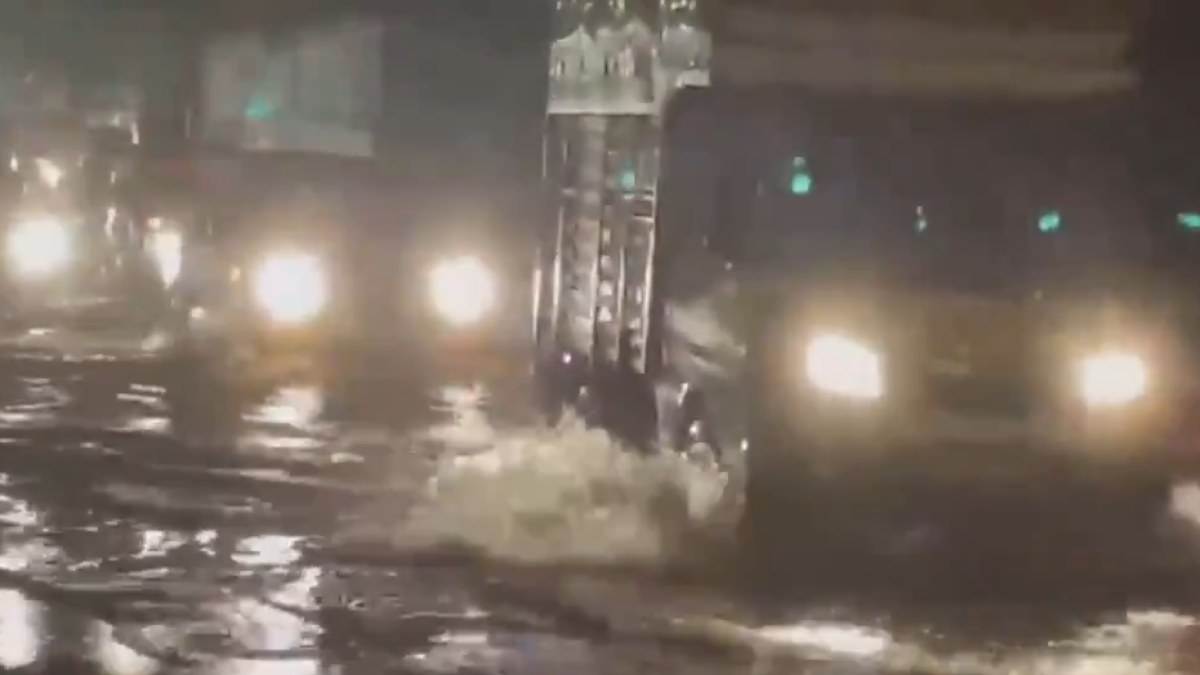
The situation in Andheri was particularly dire, so emergency teams rushed to the scene. Local authorities and rescue teams said a big tree fell on a moving vehicle and it was a life-threatening situation for the people inside. The monsoon rains are associated with these kinds of dangers in the city where a lot of vegetation and urban infrastructure are often in collision course and that is very serious.
In another disturbing turn of events, a busy subway in the city became waterlogged instantly after the heavy rain. As rainwater settled in the underpass quickly, it rapidly inundated the streets and cars and pedestrians were stranded. The police closed the subway to prevent accidents and city employees used pumps to clear it away. This quick inundation not only underscores the immediate danger of commuters during bad weather but also raises larger issues Mumbai still faces in the future despite decades of efforts in drainage.
Heavy rain was reported in multiple parts of Mumbai, especially in low-lying places that are most prone to flooding during the monsoon season. The waterlogging on main roads in the city caused traffic to be held up and traffic was slow during peak hours as they were stuck in traffic. Public transport services (buses) were also delayed on multiple routes due to the flooded roads and the poor visibility caused by the continuous rain.
Mumbai's sprawling suburban railway network was able to keep going in most of it but commuters reported that train movement was slower in some places due to the bad track conditions caused by the flooding. Transport authorities in the city were on high alert to avoid any more disruption due to rising water levels or weather conditions.
This recent spell of rainfall provides another stark reminder of monsoon rains becoming more severe in India’s coastal cities. Such rainfall is becoming more severe with climate change and the rapid growth of urbanization and its effects on drainage systems that were originally designed to handle much lower levels of rainfall. The intrusion of artificial drainage channels in nature and the growth of concrete infrastructure compounds the problem by causing faster surface runoff and increasing the risk of flash flooding.
The disaster management personnel in the Brihanmumbai Municipal Corporation (BMC) deployed emergency response teams to deal with fallen trees, waterlogging, and blocked drains, and to deal with the chaos caused by the heavy rains. In the rain-ravaged city, pumps were put in flood-prone areas and disaster management personnel worked with traffic police and emergency services to restore normalcy as soon as possible. Citizens were also advised to report dangerous situations to the authorities using official helplines and to avoid venturing into flooded areas where safety could not be guaranteed.
The Indian Meteorological Department (IMD) has also been advising residents to be aware of official weather forecasts and that heavy to very heavy rainfall is expected to occur frequently during the active phase of the southwest monsoon. Strong winds accompanying these heavy rains can also result in tree falls, damage to temporary structures, and flooding in the city’s low-lying areas.
#MumbaiRains Update: Torrential monsoon downpours have triggered severe waterlogging across several low-lying areas in Mumbai. Traffic congestion reported on major roads, and local trains are facing brief delays. Commuters are advised to stay safe. 🌧️🚗 #MumbaiTraffic pic.twitter.com/sy7A8Lta9A
— Gummalla Lakshmana (@GUMMALLALAKSHM3) July 8, 2026
Residents are strongly encouraged to avoid unnecessary travel during heavy rainfall when weather warnings are issued. Motorists should be very careful about traveling during heavy rainfall, especially when weather warnings are issued, and stay away from trees, electric poles, and construction sites, and not drive through flooded roads.
The recurring scenes of flooded roads and submerged subways are all too often at the forefront of our thoughts on Mumbai’s long-term urban resilience. The emergency response capability of the city’s disaster response has improved significantly in recent years, but it is imperative to invest more in drainage modernization, climate-resilient infrastructure, better urban planning, and early warning systems to support the city’s infrastructure to cope with ever more unpredictable monsoon events that threaten the city’s daily life.
Mumbai is in a state of constant monsoon and the civic agencies are on high alert. Citizens should be encouraged to stay informed and be patient as they go about life until the weather conditions improve significantly. The resilience and adaptability of Mumbai’s citizens will be tested as it deals with climate change and urbanization in the face of nature’s fury.