Former Gujarat Chief Minister Shankersinh Vaghela is once again at the center of a major political hot potato after his comments about reservation and support on the demand for a separate “Bhilistan” state are being criticized for his comments.
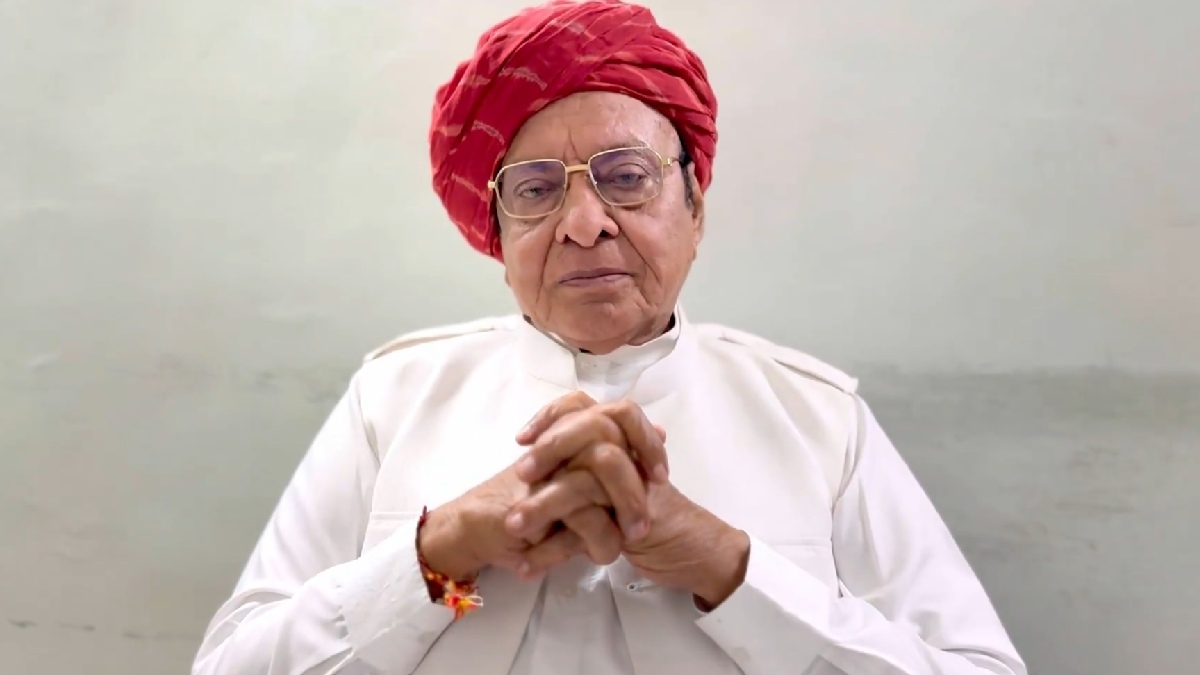
His comments in a tribal rights gathering in Gujarat's Narmada district were also the latest to anger the BJP and community leaders and political pundits, who have accused him of instigating social division and going to vote banking.
The controversy erupted during the “Forest Rights Satyagraha” programme in Khopi village of Sagbara taluk on 2 October.
The event was attended by Gujarat Pradesh Congress Committee president Amit Chavda, among others. Vaghela made the case for reservation and said affirmative action was not a favor or charity extended to backward communities but a social justice approach to overcome centuries of discrimination, exclusion and inequality faced by the marginalized.
Vaghela challenged members of communities he claimed often oppose reservation policies. Patels, Vanias and Brahmins, he said, would be treated well if they were willing to do manual scavenging and clean up human waste themselves, and he would pay them ₹50,000 per month.
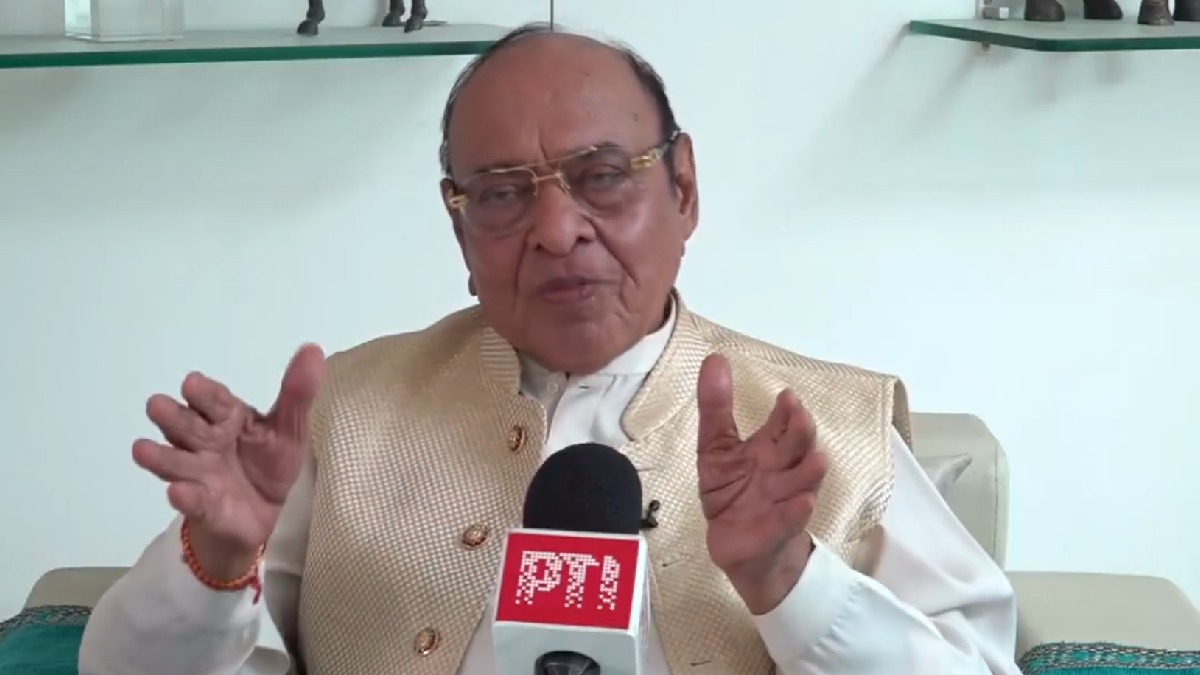
Only by seeing the hardships and social stigma faced by historically disadvantaged communities would critics begin to appreciate reservation, he said.
Protesters have accused him of making caste-based comments that can only increase social division. BJP leaders objected to the remarks and said the former Chief Minister had crossed the line of acceptable political discourse.
The public figures should promote social harmony instead of saying anything that might be seen as targeting particular communities, some had said.
Vaghela’s speech also attracted attention for another reason—his support for the long-standing demand for the existence of a separate Bhilistan state. The concept of Bhilistan has been raised by some tribal groups to have greater autonomy and to have recognition for tribal areas in parts of Gujarat, Rajasthan, Madhya Pradesh and Maharashtra.
Vaghela told the tribal audience that tribal communities were the original custodians of forest land and that governments in Delhi and Gandhinagar had failed to protect tribal interests.
He also indicated that he supported the demand for a separate Bhilistan and called for tribal communities and farmers to join hands in their fight for rights and representation. His comments have revived discussions on tribal identity, regional aspirations and the political feasibility of a separate state.
The reaction of political foes was swift. BJP leader and Brahmin representative Yagnesh Dev strongly criticized Vaghela’s comments, calling him an insult to the entire community. In a sharp counterpoint, Dev challenged Vaghela to perform cleaning at his house and said if he did, he would pay him ₹5 lakh per month. The exchange quickly became an issue in Gujarat politics.
Alpesh Kathiriya, Patidar leader, also criticized Vaghela’s comments, accusing him of trying to create caste polarization for political purposes. Kathiriya said such comments were unbecoming of a senior leader with so much political experience and demanded an unconditional apology for hurting community sentiments.
He further alleged that targeting those communities for political messaging could have long-term implications for social harmony.
Vaghela’s comments come at a time when speculation is growing about Vaghela’s political future and at the same time whether he’s about to have a new political deal with the Congress party.
They believe that his comments may well be as important as the rest of Gujarat’s political discourse to be involved in the current debate around reservation, tribal rights and regional representation and why it is a matter of public debate.
Vaghela supporters, however, insist that his comments were intended to highlight the harsh realities facing marginalized communities and bring attention to issues that are often ignored. His remarks were not only too crude but also too provocative and potentially led to disputes between different social groups, critics argue.
Vaghela’s views on reservation and Bhilistan are going to be under the microscope for the next few days as the debate continues. And whether they lead to a new conversation on social justice and tribal rights or just deepen existing political divides remains to be seen.
But what is certain is that the comments have once again put the veteran politician at the centre of Gujarat’s political spotlight.