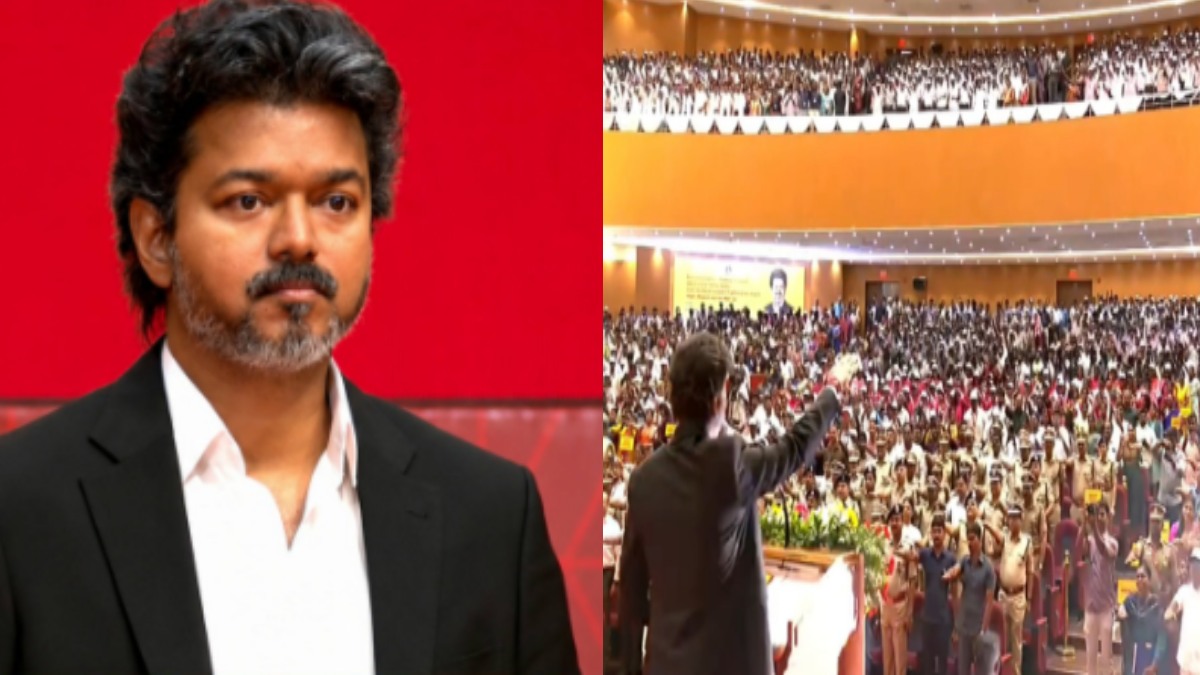
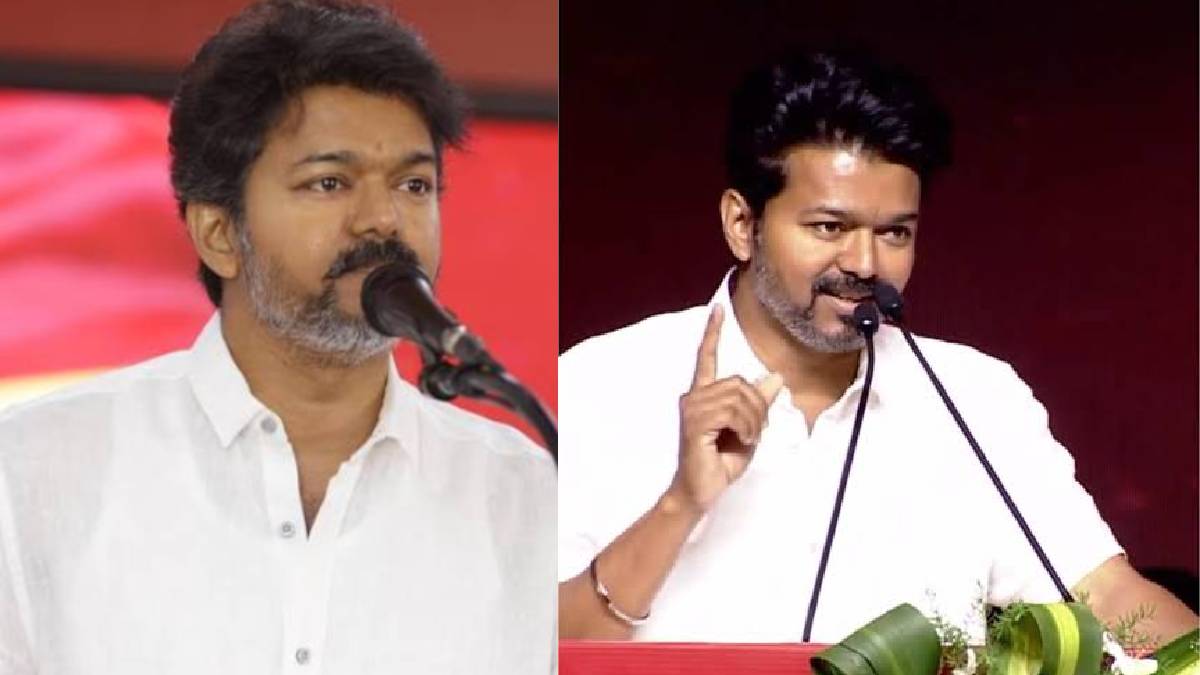
C. Joseph Vijay was also seen in the Legislative Assembly in the light of forest minister R.V. Ranjithkumar saying the name of former chief minister and veteran political leader M. Karunanidhi without the usual honorific “Kalaignar.
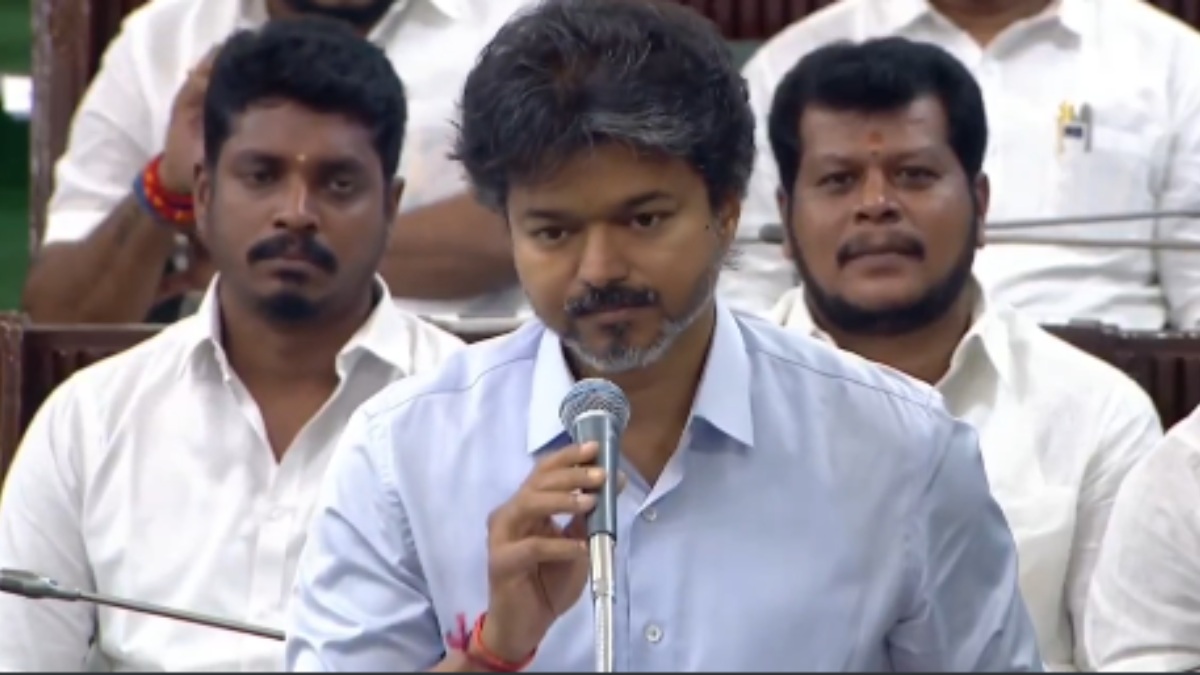
” Vijay intervened and apologised for the minister’s reference, saying it was not appropriate to refer to the former chief minister's name without respect. The incident has since attracted attention for its political decorum, parliamentary conduct and respect for Tamil Nadu's political legacy.
The incident occurred during the Assembly session, as political leaders were talking about governance and public administration. Forest Minister Ranjithkumar, according to the locals, called Karunanidhi by his name. While addressing political figures by name is not uncommon in political discourse, Karunanidhi has been called ‘Kalaignar’ by many supporters and political leaders in his life and political identity.
Vijay intervened soon after the reference and apologised, saying that the Minister’s language was inappropriate. His response sent the tone of the discussion off the subject and back to respect for senior political figures and leaders who have been part of Tamil Nadu’s political history.
The apology has attracted attention because public exchanges in legislative chambers can often become politically charged. But in this case, the response was to act quickly rather than leave the issue to wither into a bigger political battle. Vijay’s intervention was seen by some as a sign of owning up to a mistake and moving on.
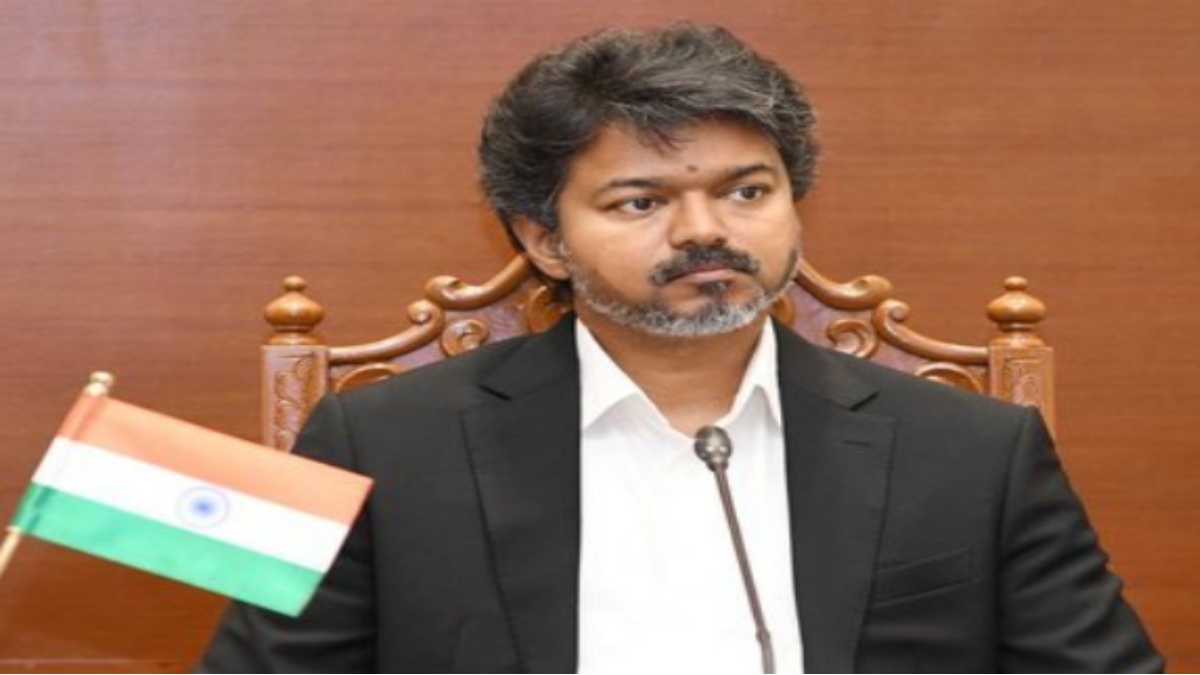
M. Karunanidhi is still one of the most influential personalities of Tamil Nadu today. As the Chief Minister of Tamil Nadu and a long-time leader of Dravida Munnetra Kazhagam, Karunanidhi had a political career that lasted for many decades. He was also known for his work in Tamil literature, cinema and public speech. In his political and cultural career, the term “Kalaignar” (i.e. artist or creative person) was associated with him.
As such, the term “Kalaignar” is associated with Karunanidhi among the people of Tamil Nadu and is seen as a sign of respect for his political history and Tamil culture. A brief reference to his name in the Assembly can therefore trigger a reaction from the political world when it is seen as a breach of convention.
The incident also serves as a reminder of the importance of language and etiquette in Tamil Nadu’s political landscape. Political speeches in the state often include references to leaders from different parties and generations. The manner in which they are addressed has a lot of symbolic significance in connection with those leaders, especially when talking about people who have played important roles in the history of the state.
Vijay’s response has also stirred up a conversation about leadership and accountability. So the Chief Minister did not simply ignore the Minister’s words and apologised. Such moments can be viewed as a sign that politicians can do what they can to build up the institution’s standards of conduct.
Karunanidhi’s political history is still alive and well in the present day and a part of Tamil Nadu. His political legacy is not limited to his tenure, but also the Dravidian political traditions and institutions he built.
Vijay has been in a state of transition in Tamil Nadu and is going from a very successful career as a film director to a government job. His speech and action inside the Legislative Assembly will be very much in the public’s eye. So his comments and actions are of great importance not just in the political context but also in his leadership style.
Some have said that the apology implies humility and a willingness to take responsibility for something that happened to a member of his government. Political accountability can take many forms, and a candid acknowledgment of an inappropriate statement can prevent a relatively small issue from becoming a big problem.
At the same time, the incident needs to be taken into account in the context of the legislative process. Assemblies are forums in which elected representatives debate policies, question government decisions and discuss issues facing the public. Decorum and respect will keep this discussion focused on governance versus personal disputes.
The reference to Karunanidhi also illustrates how political memory continues to play a role in Tamil Nadu today. Leaders from the past are still at the forefront of current political debate and are often cited by both supporters and critics. The language we use to describe them can have political and emotional weight.
For many followers of Karunanidhi, the use of “Kalaignar” is more than a convention. It is recognition of a leader whose political career was closely intertwined with Tamil identity, social policies, literature and cinema. The apology from Vijay was therefore more than a mere Assembly exchange.
#CMVijay apologizes for R. V. Ranjith Kumar’s speech.!!
— Gv (@gowtham0725) August 17, 2026
. pic.twitter.com/t6vgwtO34q
These are the lessons we learn from that incident the need for respect and accountability in politics. Vijay’s intervention made sure the problem was taken care of prior to the Assembly moving on to other business. If the naming slip itself may have been short, it does have the same effect to build on and to put into focus the political etiquette and the treatment of leaders who have been part of Tamil Nadu’s roots.
The episode will be a topic of conversation at the moment even among political observers and Karunanidhi supporters. It is an example of how brief remarks made in the Assembly can carry a great deal of political and cultural weight in Tamil Nadu.
More generally, the apology is also about how political leadership is not only about decisions and policy making, but about language, tradition, respect and accountability.