Maharashtra politics has once more been at the center of a power struggle between Eknath Shinde and Uddhav Thackeray in the midst of the Shiv Sena’s 60th foundation day in Mumbai. The long-standing rivalry in the Shiv Sena's leadership, born out of the historic June 2022 Shiv Sena split, has gone on, with verbal attacks, leadership uncertainty and renewed speculation of defections.
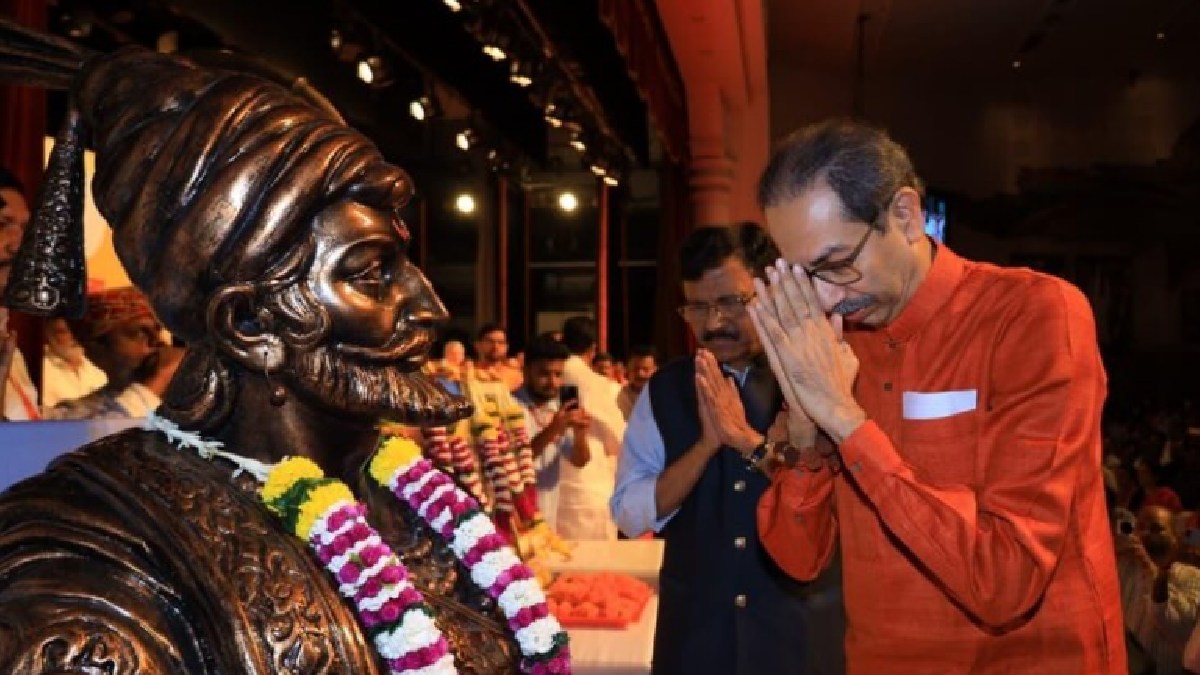
The two leaders were using the platform to prove their legitimacy as the true heirs of Balasaheb Thackeray’s ideological legacy. Shinde, in front of his supporters, sounded confident, hinting that more leaders from the other camp may soon join his side. Such comments fuelled speculation that the Shinde-led Shiv Sena is growing its political base in Maharashtra as well.
Uddhav Thackeray’s own faction was in far worse shape. Party insiders say that Uddhav, who has been in a more fragile position, expressed emotional sentiments during the public debate in the party. Even though his party has had a tough time in the past few weeks, it is rumored that Uddhav, at the time of the statement, could have been seen to be willing to resign as the leader of the Shiv Sena (UBT). There has been no official resignation announced; the statement has set off a debate in the party’s hierarchy about leadership continuity and future direction. Supporters maintain that Uddhav is still at the heart of the party’s emotional core and are defending the party’s power base, while the party is still in the process of rebuilding momentum and trying to recover from a series of parliamentary and electoral defeats.
This latest episode is not just one of many but is part of a long and complex history of fragmentation in Maharashtra politics. There have been dramatic splits, shifting alliances, and rival claims over party symbols and ideological inheritance in the state. From the Congress split of 1969 that pitted Indira Gandhi against the old guard to Sharad Pawar’s various rebellions and the formation of the Nationalist Congress Party, Maharashtra has often been a laboratory for political realignment.
The rise of the Shiv Sena under Balasaheb Thackeray in 1966 added another powerful force to this evolving landscape. The party began with Marathi identity politics and eventually became a key ally of the BJP in the political sphere of Mumbai for decades. But after 2014, the national politics shifted and the 2019 Maharashtra assembly deadlock caused deep schisms in the alliance, ultimately erupting into a revolt led by Eknath Shinde in 2022.
This split reshaped the state’s power structure, and Shinde became chief minister and took over the official name and the party’s logo after legal and electoral battles. A similar crisis in 2023 saw Ajit Pawar break from the NCP, further weakening opposition unity and building a pattern of instability in Maharashtra’s political ecosystem.
The Shiv Sena, today, has six decades in existence, and its rivalry between the two sides is a reflection of a larger issue: Maharashtra politics is always on the move, driven by ambition, ideology and alliances. Uddhav Thackeray’s emotional signals and Eknath Shinde’s aggressive presence are both telling us that a fight for control of the Shiv Sena—and its legacy—is not over, but just beginning.