The long-simmering border dispute between the states of Karnataka and Maharashtra has reached a new boiling point, with political tensions translating into acts of vandalism and aggression on the ground. The immediate catalyst for the current flare-up is the decision by the Belagavi district administration in Karnataka to deny permission for the 'Mahamelava' (mega-convention) organized by the Maharashtra Ekikaran Samiti (MES). This move, aimed at maintaining peace and order in the sensitive border city of Belagavi, has instead provoked a hostile reaction from pro-Marathi groups across the border.
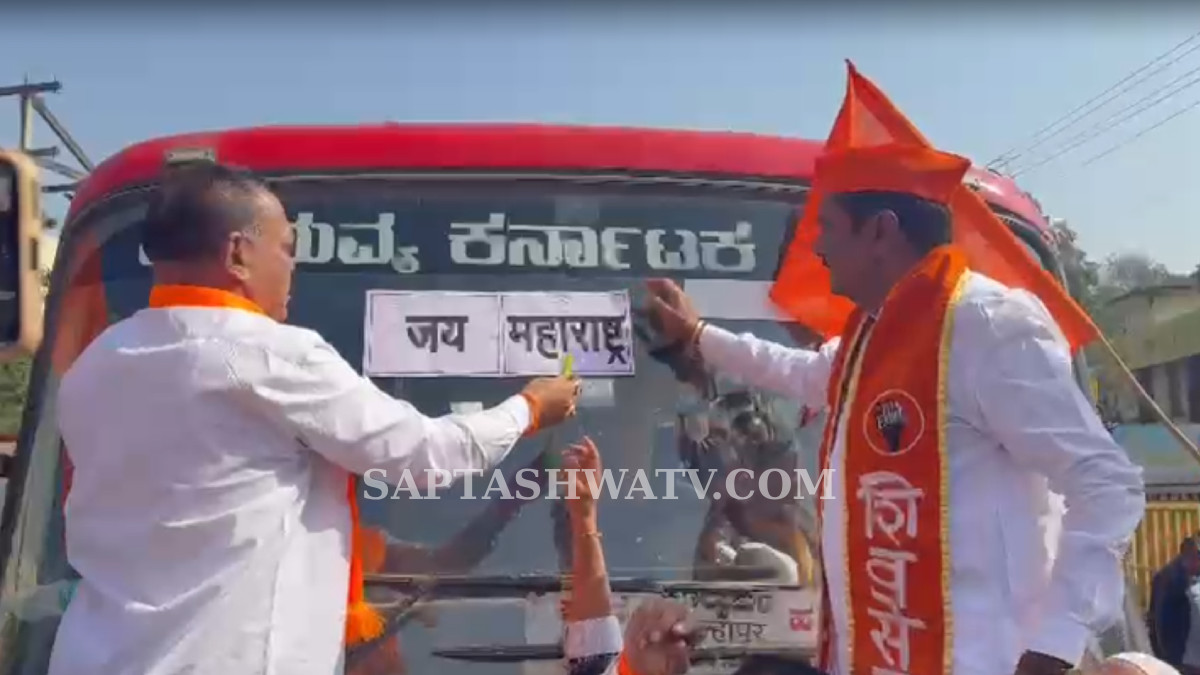
The fallout was swiftly seen in Kolhapur, Maharashtra, where members of the Shiv Sena, specifically from the faction led by Uddhav Thackeray, engaged in acts of hooliganism. Targeting innocent public transport, the activists intercepted a Karnataka State Road Transport Corporation (KSRTC) bus that was merely carrying out its scheduled service. This act of stopping an inter-state bus in the middle of its route constitutes a direct and provocative challenge to the maintenance of normal bilateral relations and the freedom of movement for citizens.
The specific incident took place at the Kolhapur bus stand, where the Shiv Sena workers physically blocked the Karnataka bus. This particular bus was traveling from Pune and was destined for Halyal in Karnataka, making it a routine service crucial for commuters. The protesters did not stop at simply halting the bus; they proceeded to deface public property. They forcibly affixed 'Jai Maharashtra' (Victory to Maharashtra) stickers onto the body of the bus, turning it into a canvas for their political protest.
This act of vandalism by the Shiv Sena faction is being widely condemned as a display of mob mentality and thuggery, rather than legitimate political protest. While the MES ‘Mahamelava’ aims to press the demand for Belagavi's merger with Maharashtra, the Shiv Sena's reprisal involving the targeting of a state transport bus and its passengers only serves to raise the temperature of the dispute. Such aggressive tactics unnecessarily involve and intimidate everyday citizens and transport workers who have no connection to the political machinations.
The repeated escalation of the border row, especially in response to administrative decisions made by the Karnataka government, highlights the deeply entrenched political rhetoric surrounding Belagavi. Both states have historical claims over the region, but resorting to targeting public assets and disrupting essential services like inter-state transport creates an environment of fear and instability. It forces a wedge between the Marathi and Kannada-speaking populations residing on both sides of the border.
For the situation to de-escalate, political leaders from both Maharashtra and Karnataka need to immediately condemn the acts of violence and vandalism and call for restraint. The focusing of political energy must shift from aggressive posturing and physical attacks on property to seeking a peaceful and constitutional resolution to the border question. Until then, the ban on the MES event and the subsequent Shiv Sena's reckless acts in Kolhapur signal a period of continued high alert and potential civil disruption in the disputed region.