Employees at the bank refused to speak Kannada, opting for Hindi and Telugu instead, at the Belagavi branch. This angered local activists from Karave (Karnataka Rakshana Vedike), who protested against the disrespect towards the state language. The staff reportedly responded rudely and continued speaking in Hindi and Telugu. The situation escalated when the bank manager filed a complaint against a Kannada-speaking customer.
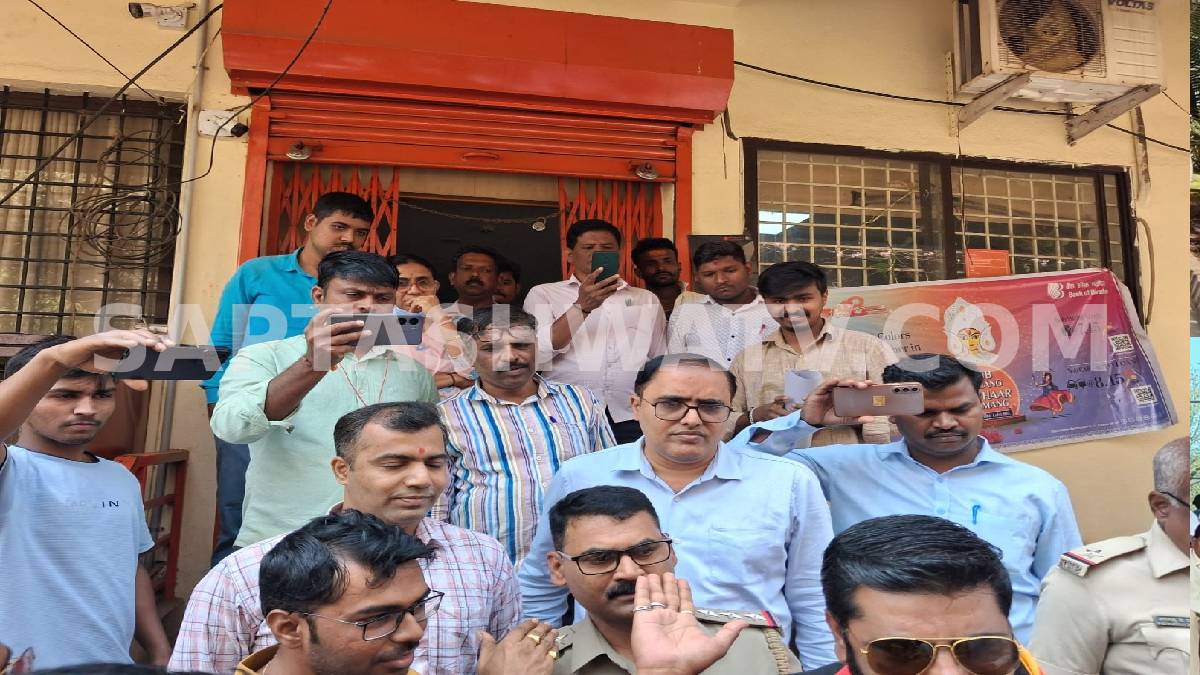
Members of Karave, supported by district president Wajid Hirekodi, gathered in front of the Bank of Baroda branch in Udyam, Belagavi. They claimed the staff showed arrogance by resisting Kannada, the official language of Karnataka. Activists argue that in a state as large as Karnataka, public facilities must respect their citizens by using Kannada in communication.
The bank manager eventually apologized to the protesters during the demonstration. He assured that staff would speak to customers in Kannada in the future. The manager folded his hands in apology, promising to be considerate towards Kannada-speaking customers.
Several Karave activists, including Anil Daddamani and Sangeeta Kamble, participated in the strike. They emphasized that Kannada is not just a language but an identity for the people of Karnataka. They warned that similar incidents in the future would lead to strong protests.
Issues related to Kannada are common, causing tensions in Karnataka when public institutions fail to communicate in Kannada. Activists insist that ignoring the local language alienates citizens and diminishes cultural pride. The Belagavi incident highlights the need for training bank staff and others doing business in the state to communicate appropriately and respect local values.

The Belagavi demonstration underscores the importance of respecting regional languages in public offices. The Bank of Baroda employee, who reportedly apologized and agreed to work in Kannada, was involved in an incident that now highlights the issue of language sensitivity. For the people of Karnataka, Kannada is more than just a language; it is a symbol of community and pride. Its effective use in daily operations is crucial for harmony and mutual respect among people.