Siddaramaiah, the senior Congress leader and former Chief Minister of Karnataka, will not contest the 2028 elections and will not run in Karnataka Assembly elections as he will not fight in politics now that he is 79 years old. Still, he left out the political arena with a clear statement that he is not quitting elections, but is going to be active in politics, he said.
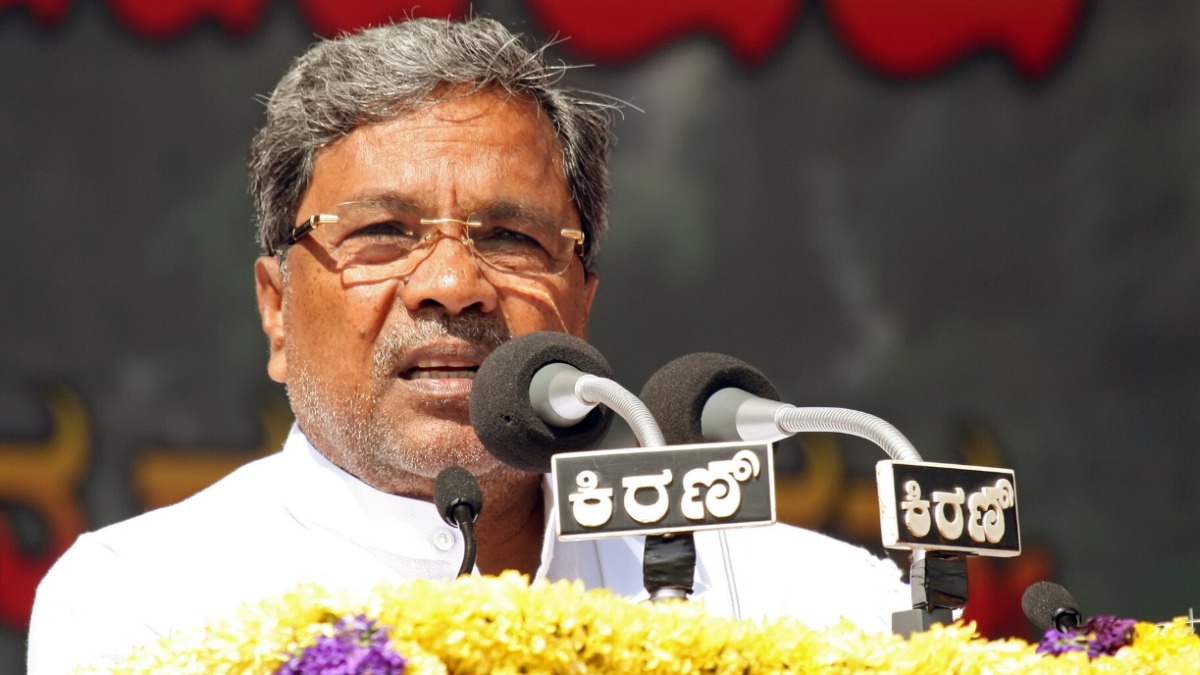
The announcement comes at a crucial moment in Karnataka’s political history. Siddaramaiah has been one of the state’s most influential leaders for decades and has been at the center of Congress politics and public policy. His move will have far-reaching implications for the Congress party as it gears up for the next Assembly elections and transitions to a new generation of leadership.
Siddaramaiah said that age and health were the main reasons for stepping away from electoral politics. Corruption was also becoming more and more prevalent in the political system he also added. He did not say that he would stop being involved with politics but he would continue to lead, and be in the public good in politics and work with others rather than contesting elections.
The veteran leader’s statements have caused a lot of debate in Karnataka and beyond. Political analysts say that his decision is indicative of the general trend in Indian politics as senior leaders have gradually shifted from active involvement in electoral politics to advisory and organizational roles.
Siddaramaiah’s political career spans decades and has made him one of Karnataka’s most prominent mass leaders. He has represented many areas of society, held key ministerial portfolios and served as Chief Minister and has been behind a number of welfare-oriented measures. His leadership has been characterized by social justice, inclusive development, rural welfare and programmes for those in the poorest strata of society.
Throughout his political career, Siddaramaiah has been regarded as a strong grassroots leader with a wide support base in different parts of Karnataka. His speeches, policy initiatives, and electoral campaigns have shaped the political discourse of the state for years to come.
When the decision was announced, political leaders from various parties were quick to react. In Congress, he was acknowledged for his long-standing public service, but political opponents were not happy with his role and contribution to Karnataka politics.
Political experts say Siddaramaiah’s pledge that he will continue to get involved in politics indicates he will be able to mentor younger leaders, campaign for the party and have some say in policy discussions. These are important positions for experienced leaders because they have institutional experience and political experience even as they step away from the electoral arena.
The announcement also comes at a time when discussions over political reform, transparency, and ethics in India are ongoing. Siddaramaiah’s comments about corruption only added to the discussions about how to grow governance, democratic institutions and how to build public trust in politics.
Supporters have appreciated his honest and open acknowledgment of age and health and his commitment to public life. Many view him continuing to be involved in the Congress organization of Karnataka and maintaining a stable organization of Congress in these times of leadership transitions as well.
As Karnataka gets closer to the next Assembly election cycle, the Congress will likely try to form new leadership in the name of new faces and will continue to be led by the experienced like Siddaramaiah. His decision not to seek another electoral mandate may be the end of one chapter in his political career, but it is unlikely to take him out of the party or the state politics.
VIDEO | Mandya, Karnataka: Former Chief Minister Siddaramaiah announces he will not contest the 2028 assembly elections.
— Press Trust of India (@PTI_News) July 26, 2026
(Full video available on PTI Videos - https://t.co/n147TvrpG7) pic.twitter.com/59Qb2vTQAt
Siddaramaiah’s announcement was a sign of the changing nature of political leadership, and of the need for orderly transitions within democratic systems. That the veteran leader has stayed politically active without contesting elections suggests that public service can be done in many different ways beyond being elected to office.
Siddaramaiah’s decision will be a factor in the political landscape of Karnataka not long before the 2028 Karnataka Assembly elections and will in fact be a key issue of political debate concerning leadership, party strategy and the future of Karnataka politics.