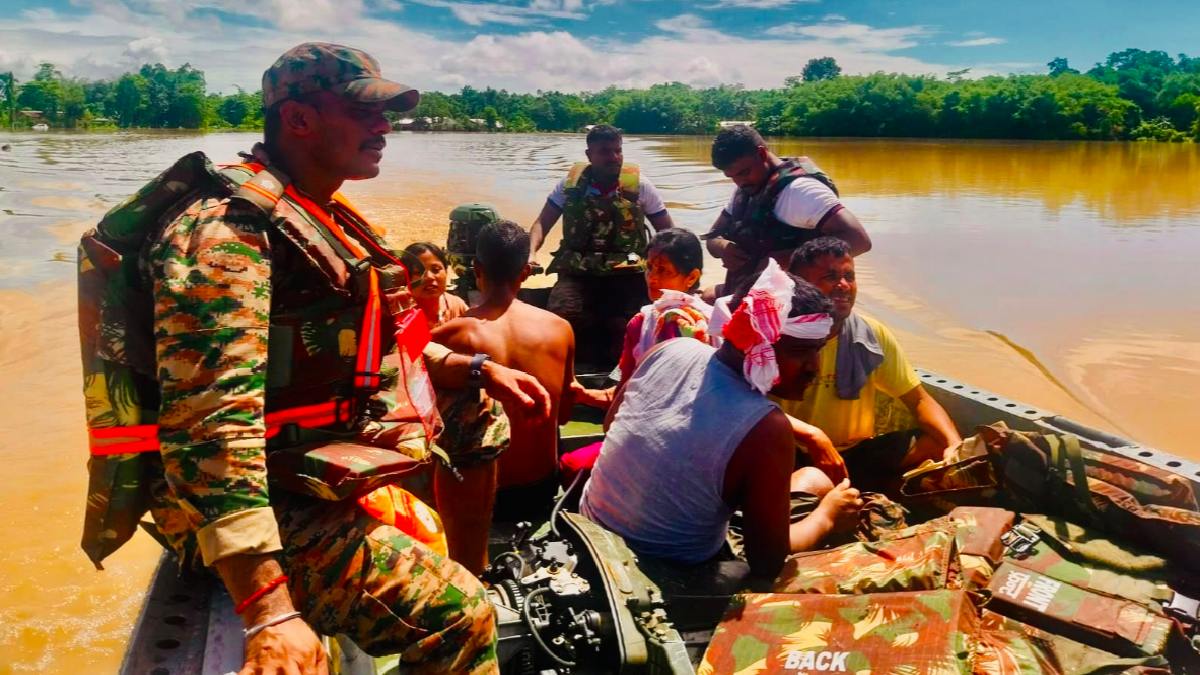
In India, snakebites have increased significantly due to increasing monsoon rains in rural and urban areas. Flooded snake burrows lead reptiles to flee out of their natural habitat and into homes, farms, cattle sheds, warehouses, and other human settlements. Farmers, agricultural workers, and residents of flood-prone areas are particularly susceptible to snakebite incidents during this time.
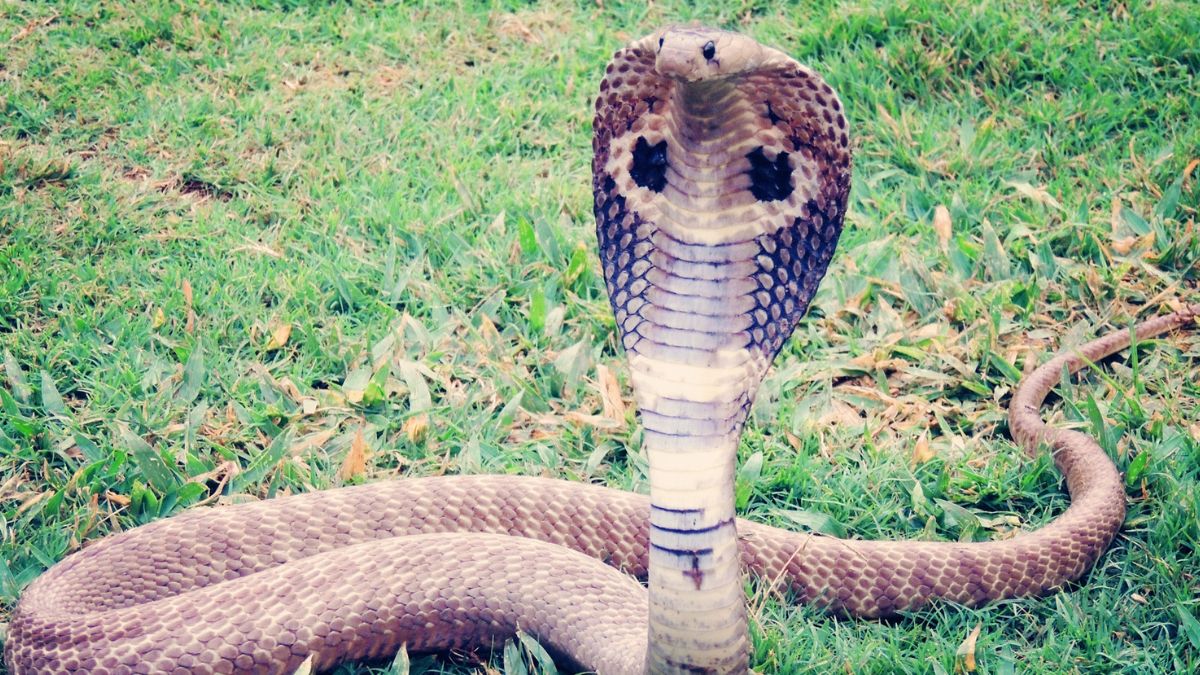
Besides the immediate health risks of snakebite, snakebites can also be a financial drag on the health care system due to hospitalisation and treatment expenses. So many people ask: Does insurance cover snakebite treatment and death-related claims?
Does Health Insurance Cover Snakebite Treatment?
The good news is that most health insurance policies in India cover medical expenses arising from accidental incidents, and snakebite is typically classified as an accidental medical emergency.
If the policy is active and the terms and conditions allow, policyholders can claim expenses related to:
- Hospitalisation charges
- Anti-venom injections
- Diagnostic tests and laboratory investigations
- Doctor consultation fees
- Intensive care unit (ICU) treatment
- Medicines and post-treatment care
- Emergency medical procedures
Because snakebite is a sudden and unforeseen accident, there is usually no waiting period for treatment claims. Insurance companies will reimburse costs or give cashless treatment if the incident occurs during the policy period.
Policy coverage is not the same from one insurer to another. Expert advice is to review policy documents carefully when buying or selling such policies to see the coverage and any exclusions.
Why can treatment costs be expensive?
Government hospitals generally have stocks of anti-venom drugs and offer treatment for low or no cost. In emergencies, patients may need to seek treatment at private hospitals because of the lack of anti-venom drugs, lack of nearby government facilities, or the severity of the case.
Treatment expenses can quickly rise depending on the number of anti-venom doses required, ICU admission, and duration of hospitalisation.
One recent case in the United States highlighted the financial cost of severe snakebite treatment. A victim had 54 doses of anti-venom, and his medical costs were approximately ₹11 crore. That’s not common in India, but the case has raised the issue of insurance coverage in India.
Does life insurance cover death due to snakebite?
Yes, life insurance policies generally provide coverage if the insured person dies due to a snakebite, provided the death is not excluded under policy conditions.
If the policyholder dies due to a snakebite during the policy period, the nominee can claim the insured sum. Many life insurance policies also have accidental death benefits that can add to the payment depending on the policy structure.
In addition, state governments provide financial assistance to families who are affected by snakebite deaths. Some states, for example, pay compensation of up to ₹4 lakh to eligible families, but verification and documentation are required.
Is Snakebite Covered Under Term Insurance?
Term insurance is designed to provide financial protection to the nominee if the policyholder dies during the policy tenure. Because snakebite is generally considered an accidental death, most term insurance policies cover such incidents unless specifically excluded.
The common exclusions in term insurance are usually:
- War-related incidents
- Terrorist activities
- Criminal activities
- Certain policy-specific exclusions
Snakebite deaths are not typically excluded, making them eligible for claims under most term insurance plans.
Documents Required for Insurance Claims
For smooth claim processing, policyholders and nominees should preserve all relevant records, including:
For health insurance claims:
- Hospital admission records
- Doctor's diagnosis and treatment reports
- Discharge summary
- Medical bills and receipts
- Anti-venom treatment documents
- Laboratory test reports
For death claims:
- Death certificate
- Medical certificate confirming cause of death
- Post-mortem report (if required)
- FIR copy (if applicable)
- Nominee identification documents
- Insurance policy details
When Can an Insurance Claim Be Rejected?
Insurance companies may refuse coverage when there is insufficient evidence that a snakebite caused the illness or death. Common reasons are:
- Lack of clear snakebite marks
- Incomplete or inconsistent medical reports
- Failure to seek immediate medical attention
- Missing hospital records
- Non-submission of required claim documents
I understand that such a snakebite is painful, so victims do need to go to the hospital very soon, record all treatment records, and report it to the authorities if possible.
With snakebite cases increasing during the monsoon season, understanding insurance coverage helps families avoid serious financial stress. Health insurance covers treatment costs, and life and term insurance cover compensation in the event of death due to snakebite in most cases. Good medical care for the patient and proper documentation and knowledge about insurance terms are essential to insurance claim success.