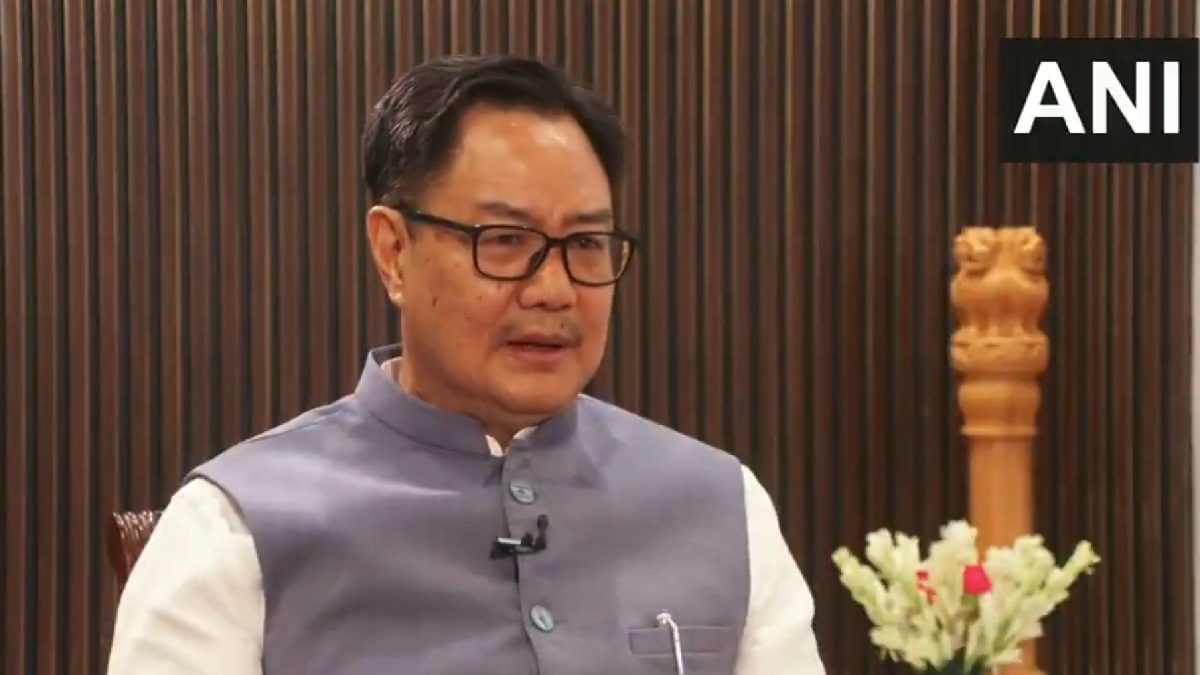
Sonam Wangchuk, a social activist and education reformer, praised Indian Railways and the Vande Bharat train and also expressed hope that the Indian government would fulfil the promises it has made.

In a statement which was widely shared on social media, Wangchuk said, “I am proud of Indian Railways. I want to be proud of the Indian government’s promises too.”
Heartburn moment for liberals. 💥
— Megh Updates 🚨™ (@MeghUpdates) July 30, 2026
Sonam Wangchuk praises Modi Government for the Vande Bharat train. 🔥
"I am proud of Indian Railways. I want to be proud of the Indian government's promises too." 👌 pic.twitter.com/QsMv5eywXQ
The comments were widely reported because they took on the aspect of a big public infrastructure initiative and also called for accountability and implementation of government promises.
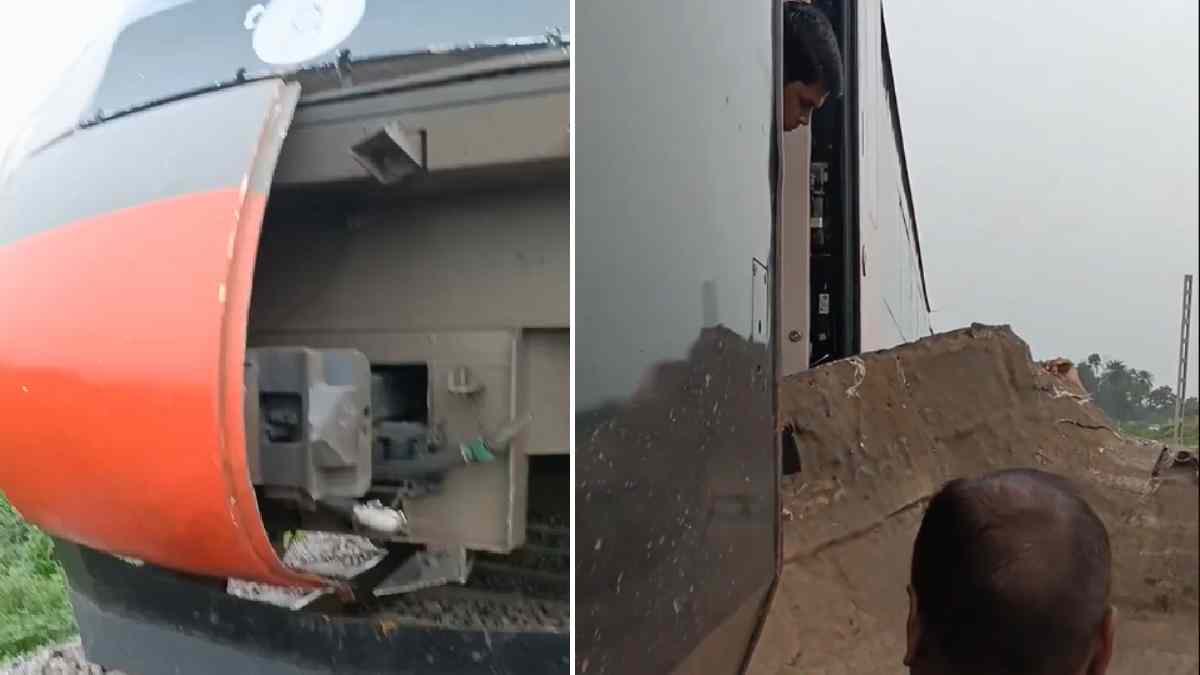
The Vande Bharat Express has become one of the most prominent symbols of India’s railway modernisation efforts. The semi-high-speed train service has been introduced on many routes across the country and is known for features aimed at improving passenger comfort, reducing travel time and modernising the overall rail travel experience.
Wangchuk appreciated the progress in the Vande Bharat train and Indian Railways’ broader endeavour. But his words also showed that understanding development projects is in harmony with the expectation that governments will honour their commitments.
The phrase, “I want to be proud of the Indian government’s promises too,” was taken by many as a call for assurance and policy commitments to be translated into visible action.
The statement was also met by political reactions online. Modi government supporters seized on Wangchuk’s praise for Indian Railways and Vande Bharat service and argued that the comments were a recognition of the government's infrastructure and transport projects.
Some social media users described the remarks as an important moment because Wangchuk is associated with public campaigns and demands regarding Ladakh. That his praise for the railway system showed that political differences or disagreements on some issues do not necessarily stop people from acknowledging initiatives they consider successful.
Others cited the second part of his statement as a case in point that it was a reminder that governments should be judged not only for the infrastructure projects they are doing but for what actions they take to fulfill their obligations and the public’s concerns.
The comments on Wangchuk’s views demonstrate how public statements can carry multiple messages. He did not make a blanket political endorsement as opposed to a criticism of government programs. He said they appreciated a visible achievement while also calling for promises to be met.
The Vande Bharat network has been vital for the government in its overall push to modernize India’s railway system. The trains have been presented as a step toward improving connectivity between major cities and reducing journey times on selected routes.
Vande Bharat trains are also very well known in public and have also become a topic of discussion in the public sector regarding the development of infrastructure. The expansion of rail services (especially on passenger trains) has been associated with improved travel facilities and comfort for passengers.
Wangchuk’s praise thus attracted attention because it acknowledged a government-backed initiative that has become closely linked with the Modi administration’s development narrative.
His reference to government promises shifted the focus to accountability at the same time. And public expectations are often more than just a matter of policies and projects being made public; citizens and activists are also interested in how well commitments are implemented in practice and whether the intended benefits are going to be given to communities.
The comments make the point that criticism and appreciation are compatible. A person may see progress in one area but want to do more and more work in other areas.
The response to Wangchuk’s statement has also highlighted an increasingly polarised political debate on social media and it has also highlighted the polarization of political debates. Supporters and critics take on the same statement differently. But the full quote is in balance with the same message: we have to be proud of the achievements of Indian Railways and hope that government promises will also be implemented and be able to achieve as well.
Wangchuk’s remarks are likely to be part of the larger conversation around infrastructure, governance and public accountability as we continue to work on it.
His message is ultimately about two closely bound expectations: recognition for progress that has been achieved and a demand that commitments made to the public should be fulfilled.