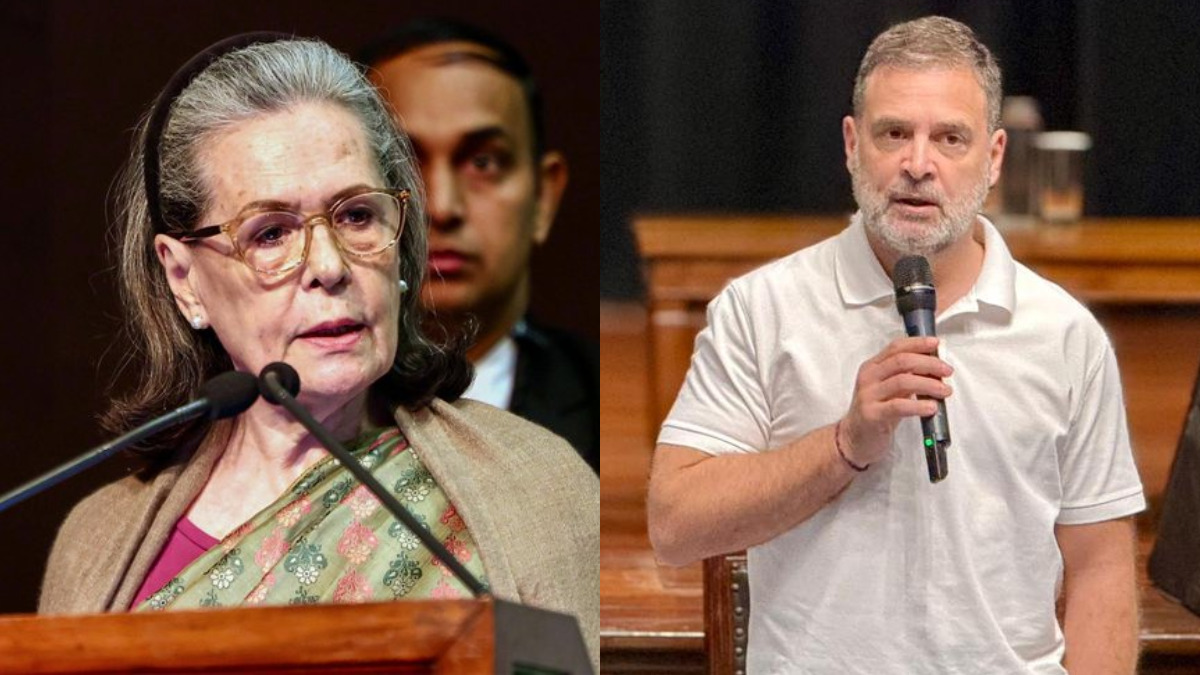
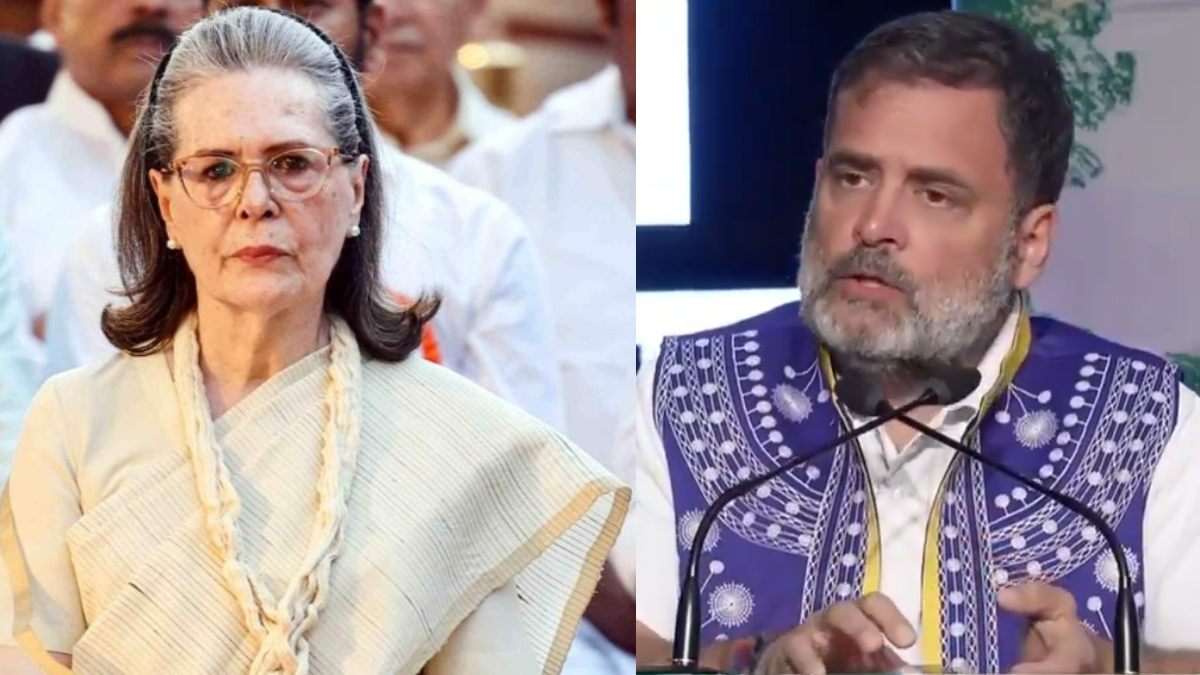
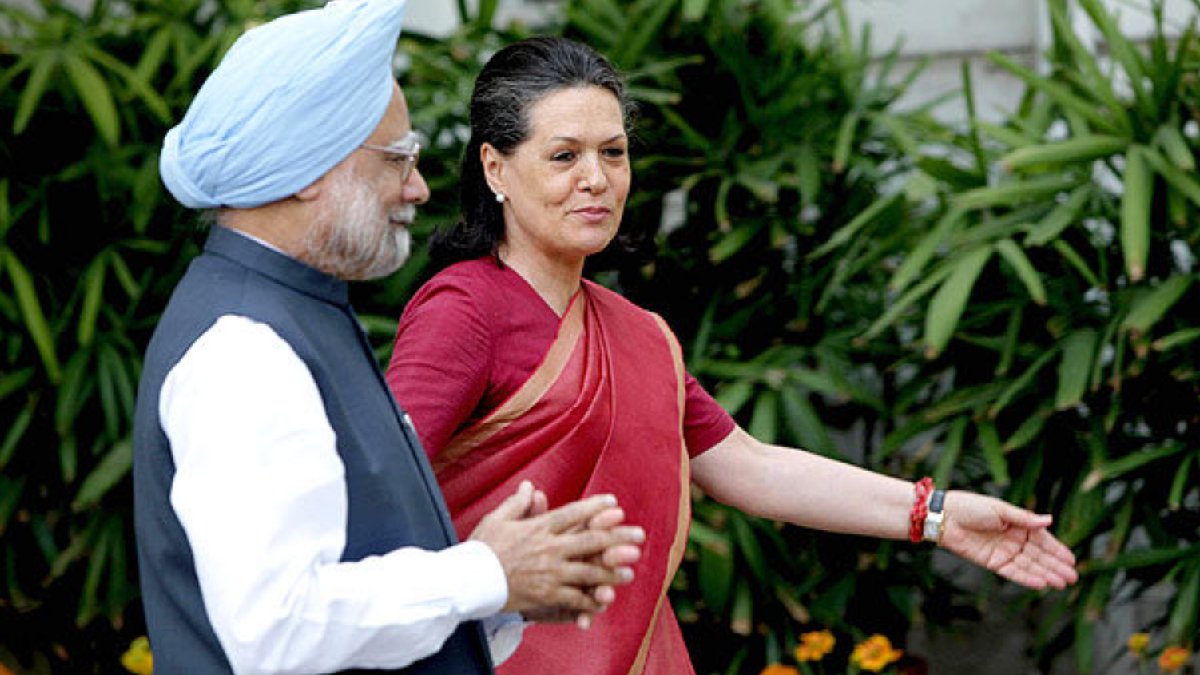
Sonia Gandhi, the chairperson of Congress Parliamentary Party (CPP), has asked party leaders and workers to help education reformer and environmental activist Sonam Wangchuk, a person of great importance in the history of the country and to support her. Sonia Gandhi said 42 years ago Indira Gandhi met Wangchuk’s father who’s now on a hunger strike to seek constitutional rights for Ladakh. The reference has intensified Ladakh’s longstanding hunger and frustration to be given protection and political representation.
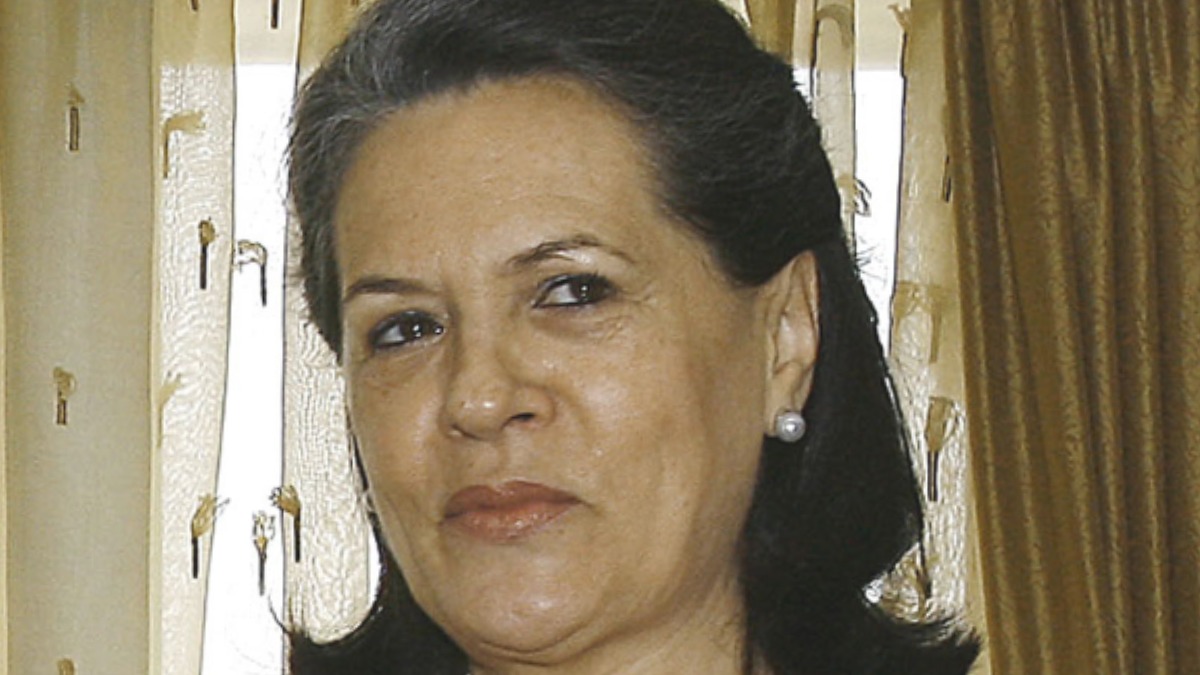
In her message to Congress members, Sonia Gandhi emphasized the Gandhi family’s relationship with Ladakh. Indira Gandhi’s meeting with Wangchuk’s father showed solidarity for the peaceful democratic movements. She called on Congress leaders to stand with Sonam Wangchuk, whose recent campaigns have been about environmental conservation, sustainable development and constitutional protections for Ladakh.
Sonam Wangchuk, an engineer, educationist, innovator, and climate advocate, stands out as one of the leading voices in the Union Territory of Ladakh and has spoken out for people's rights. He has repeatedly stressed the need to protect the fragile Himalayan ecosystem through constitutional protection (for example, the Sixth Schedule of the Constitution) and for protection of indigenous people. Such protections would ensure Ladakh’s own culture, environment, and local governance system is protected.
The reference to Indira Gandhi’s meeting with Wangchuk’s father dates back more than four decades, in which community leaders sought greater attention to Ladakh’s aspirations through peaceful protests. By reference to this historic event, Sonia Gandhi was trying to highlight what she called the Congress party’s practice of working with democratic movements and addressing regional concerns through dialogue.
The latest appeal is on the rise at a time when Ladakh continues to witness public discussions about governance, environmental sustainability, and developmental priorities. Since Ladakh became a Union Territory in 2019 as a result of the breakup of the former state of Jammu and Kashmir, local groups have been calling for stronger constitutional safeguards, statehood, greater political representation, and protection of land and employment rights. Sonam Wangchuk has emerged as one of the most prominent public figures associated with these demands.
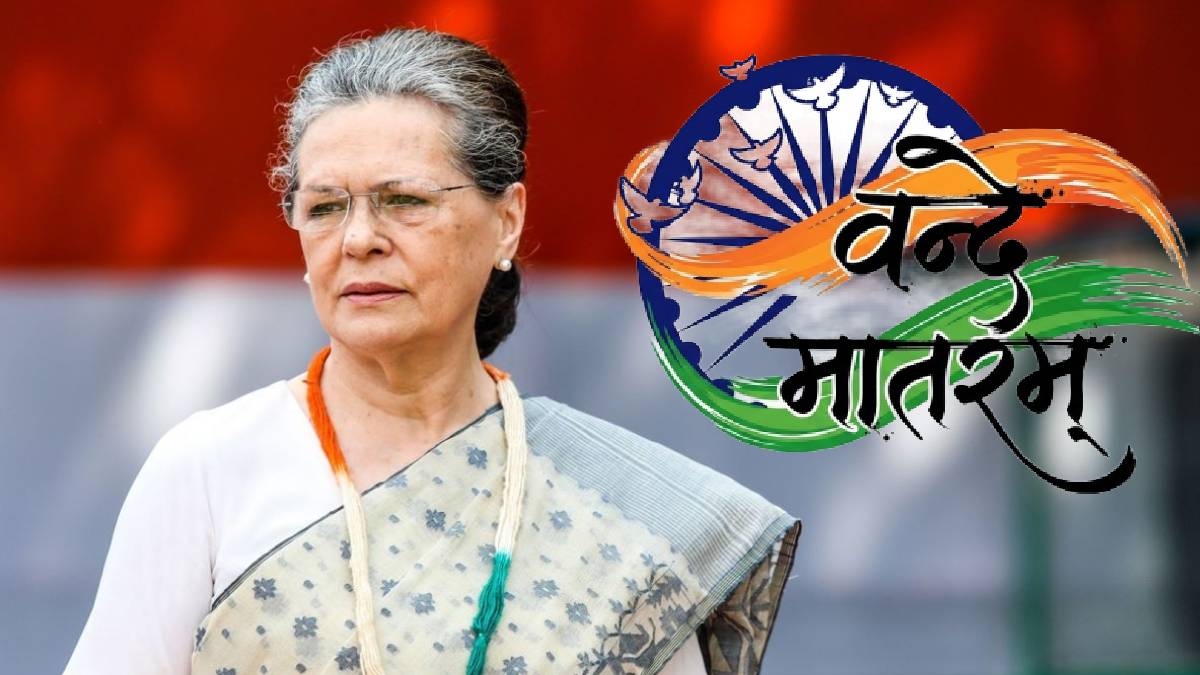
Wangchuk has always maintained that development in Ladakh should be environmentally sustainable, given the fragile ecology, high altitude biodiversity and reliance on glaciers for water resources. He has attracted international and national attention on issues related to climate change, renewable energy, education and sustainable living. His peaceful campaigns have been supported by civil society organizations, environmental organizations, students and citizens of India.
Political observers believe Sonia Gandhi’s appeal reflects the Congress party’s attempt to align itself with concerns being raised by sections of Ladakh’s population. With a look back to Indira Gandhi’s encounter with Wangchuk’s father, the party has sought to draw attention to the history of its relations to that region– and its support for democratic engagement and constitutional dialogue.
Meanwhile Sonam Wangchuk’s issues continue to cause debate among policymakers, political parties and constitutional experts. There has been debate in different political forums about extending Sixth Schedule protections to Ladakh, and that they would put tribal people, local resources and conventional governance systems in place. But some argue that more extensive consultations must be done before any constitutional changes are made.
The Union Government has already stated that it is committed to the development and welfare of Ladakh and engagement with all concerned on governance and administration. Local aspirations and constitutional issues have been discussed but different perspectives have been voiced on a process of the proper way to address them.
Sonia Gandhi’s comments have once more put a lot of national attention on Ladakh and the current debate on environmental conservation, democratic participation and constitutional protections. And in this regard, her appeal also reflects how historical events still inform contemporary political debate, especially when they involve long-standing regional aspirations.
As political discourse continues Sonam Wangchuk has also been firm on his commitment to peaceful and democratic advocacy because he has been peaceful and democratic campaigning. His campaigns continue to focus on protecting Ladakh’s environment, promoting sustainable development and facilitating dialogue around constitutional safeguards. Whether Sonia Gandhi’s appeal will lead to broader political engagement remains to be seen, but it has certainly revived interest in a chapter of history that connects past democratic movements to discussions about the present-day Ladakh’s future in the current political landscape.