The Srinagar Municipal Corporation (SMC) has started using modern technologies at the Achan landfill to accelerate the decomposition of municipal solid waste, which is part of the drive to improve waste management in Jammu and Kashmir’s largest urban centre.
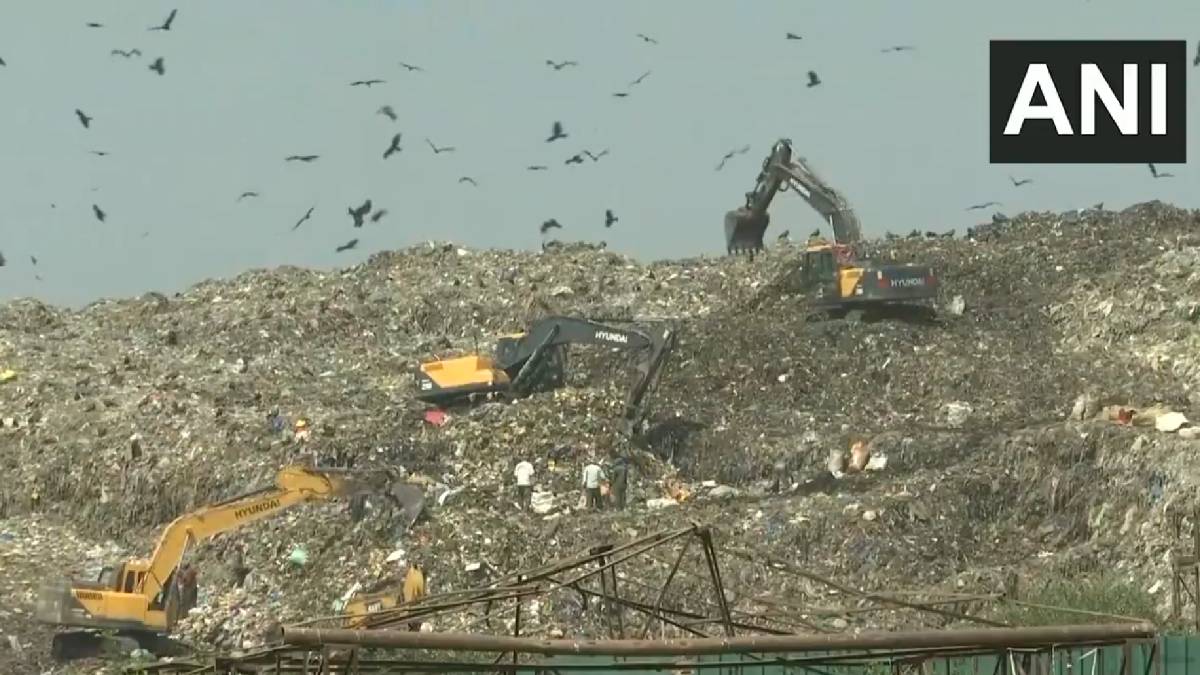
The Achan landfill is on the northern outskirts of Srinagar and is the city’s primary municipal solid waste disposal facility; it receives waste from many parts of the city. Modern techniques at the site are being applied to speed up the natural decomposition process and to better manage the stored waste.
Landfills that have large quantities of municipal waste can experience problems: slow decomposition of organic material, accumulation of waste, odour, methane generation, and the impact on the surrounding area. Technology-based approaches help municipal authorities to make the waste treatment process more efficient and reduce the long-term burden on the landfill.
The initiative is part of broader efforts to improve urban sanitation and solid waste management in Srinagar. As the city expands and household and commercial waste is generated, disposal can be handled well, but waste processing must be improved, and disposal can be done safely and not rely on the traditional dumpers.
Accelerating decomposition can help organic waste break down more efficiently, possibly reducing the volume of material occupying landfill space over time. Better processing should also facilitate better management of waste streams and can help in recovering useful resources from municipal waste, too.
#WATCH | Jammu & Kashmir | Srinagar Municipal Corporation deploy modern technologies to accelerate the decomposing process at the Achan landfill, Srinagar’s primary municipal solid waste disposal facility in the northern outskirts of the city. pic.twitter.com/2XqQ7lRF1U
— ANI (@ANI) September 3, 2026
Achan is particularly important because of its role in Srinagar’s existing waste-disposal system. If the facility’s ability to process and manage waste were to be improved, it would have a greater impact on sanitation in the city.
Modern landfill management can be a combination of biological treatment, controlled decomposition, waste segregation, scientific processing and monitoring systems. The effectiveness of such measures depends on the composition of incoming waste, moisture levels, segregation practices and the operational capacity of the facility.
For Srinagar, the emphasis on accelerating decomposition also means that biodegradable material is sent directly for disposal. Better segregation at the household and commercial levels can allow organic waste to be processed separately through composting or other treatment methods; recyclable materials can be recovered instead of being sent to landfill.
The Achan landfill initiative therefore is much more than merely the management of an existing waste site. It is indicative of the growing demand for cities to move to technology-based and scientifically managed solid waste systems as urban populations rise.
Environmental and sanitary concerns and the need for proper disposal of waste in the landfill are among those things that authorities will need to deal with. Regular monitoring, safe disposal of waste, and efficient processing will be crucial for the long-term success of technology interventions.
Using modern technology in Achan is a necessary step at a time when waste management in India is a major priority for urban local bodies. The cities are looking to reduce landfill dependency, improve segregation, process biodegradable waste and recover recyclable materials.
For Srinagar, a better operation of its main municipal solid waste disposal facility could enhance the city’s sanitation system and contribute to a cleaner and more sustainable urban environment.
The initiative in Achan shows Srinagar Municipal Corporation’s commitment to modern solutions to municipal solid waste. When implemented in conjunction with waste segregation and processing processes, the measures could speed up waste decomposition and make the city’s landfill operations more efficient.