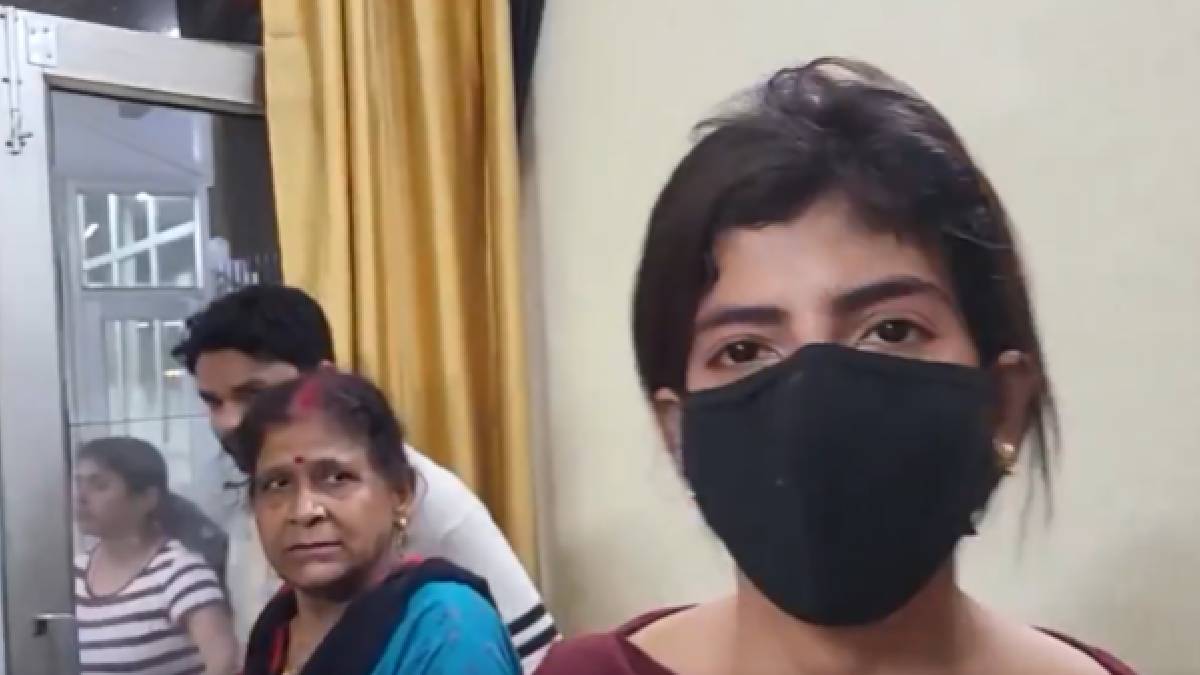
Health insurance is supposed to provide families with peace of mind during medical emergencies. In Lucknow, a viral case involving Star Health and Allied Insurance recently ignited anger online following a son’s allegation that despite having spent ₹50,000 annually in premiums, his mother’s medical expenses had not been accepted. An incident that ignited outrage but also spurred a conversation about transparency, communication and shaping the future of health insurance in India.

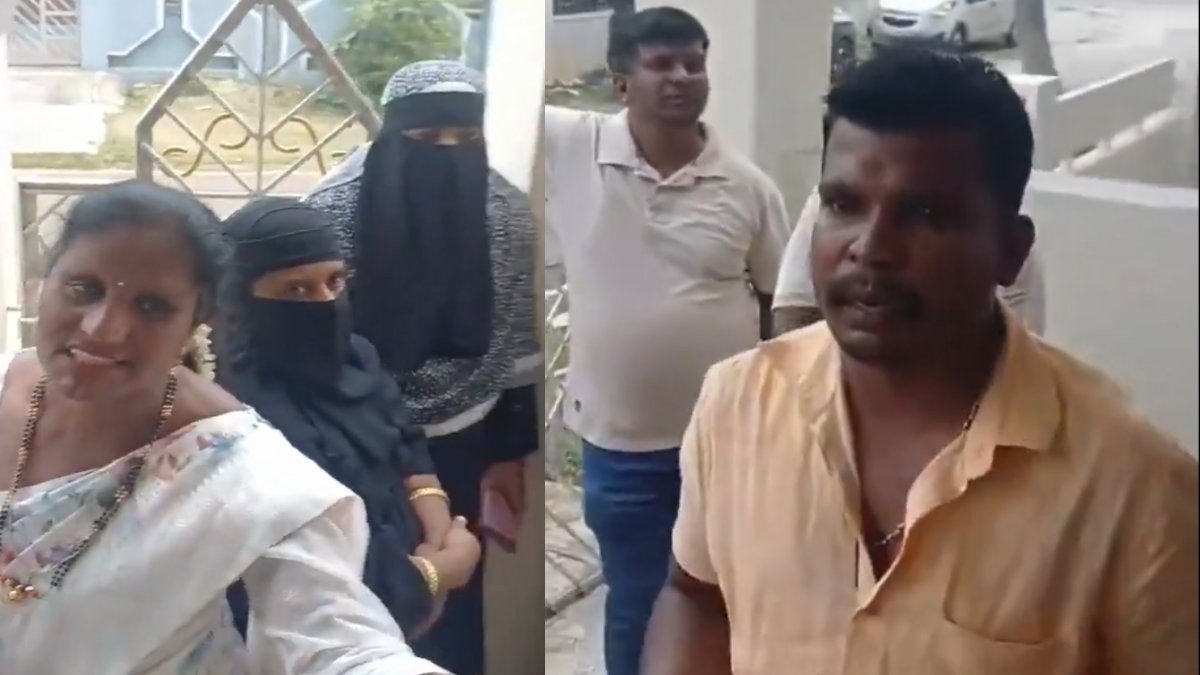
According to reports, when his mother fell ill the son rushed to file a claim but was told it was rejected. Social media users expressed anger and in particular when they heard an agent’s comment about this claim: “You didn’t buy the policy after asking us.”
Star Health later put its position clear. The claim was reviewed by the company based on its policy terms and conditions, according to the company. Medical records indicated a potential pre‑existing condition, the officials said, and supporting documents were requested, but were not received. In such cases, insurers are required to follow rules that require disclosure of medical history prior to approving coverage.
This case exposes a gap between what customers expect and what insurers deliver. Families often think that paying premiums provides more protection, but there are exclusions, particularly if they have pre‑existing illnesses, that can impact claims. When such rules are not explained clearly, disappointment and mistrust.
But the bright side is that this incident has sparked an entire country's discussion about policy. Consumer voices are now strong and powerful, and India’s own regulatory authorities like the Insurance Regulatory and Development Authority of India (IRDAI), are called upon to create fairer procedures and policy environments. Insurers are, too, understanding the value in simplifying policies and enhancing communication as well as showing compassion during claims.
Every challenge is an opportunity. This viral case could prove a watershed moment for India’s health insurance industry. Insurers can restore trust by prioritizing transparency. Improved policy terms and language, agent training and quicker claim processes will make families feel safer.
For customers, the lesson is to be cautious when taking in policy documents, ask questions and honestly disclose a medical history. For insurers the lesson is to view every claim not as a technical file, but as a human story.
The Lucknow case was also a case of frustration, but in many ways it has been a starting point of change. As the insurers and the regulators can collaborate to make health insurance easier for people, and fairer, families in all corners of India can hope for a system that’s built on trust, compassion, and real protection.