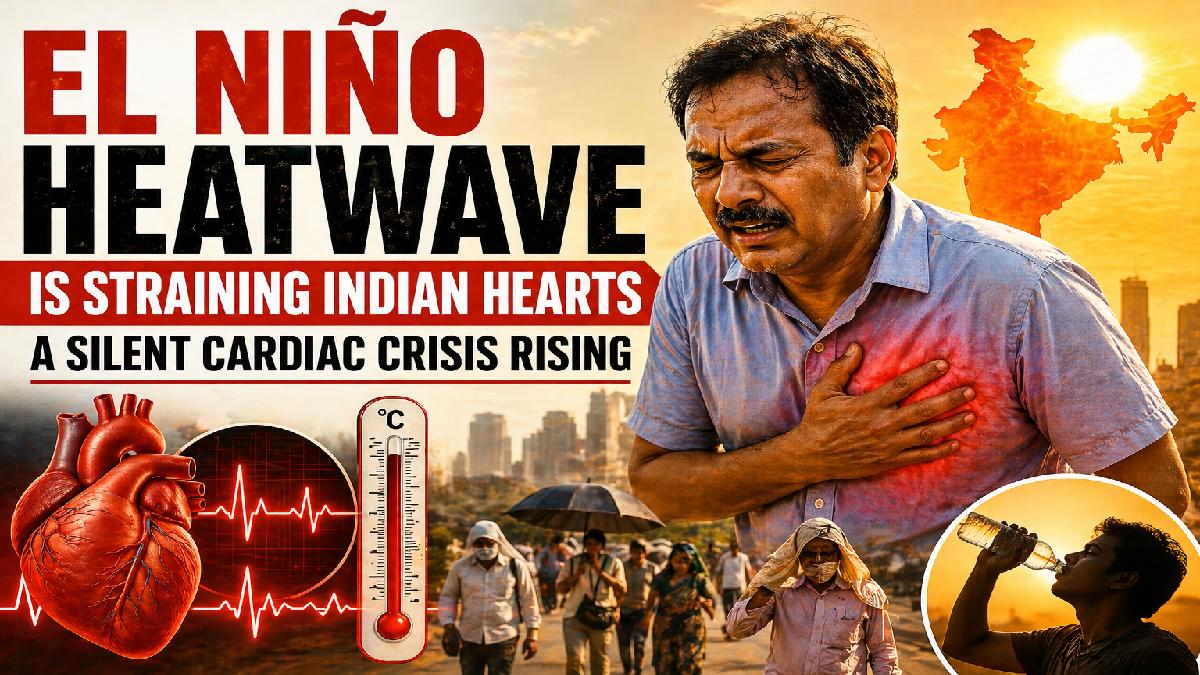
Scientists all over the globe are worried about predictions that the nascent El Niño climate event could reach a level not seen in more than 100 years, triggering widespread global climate chaos across continents.
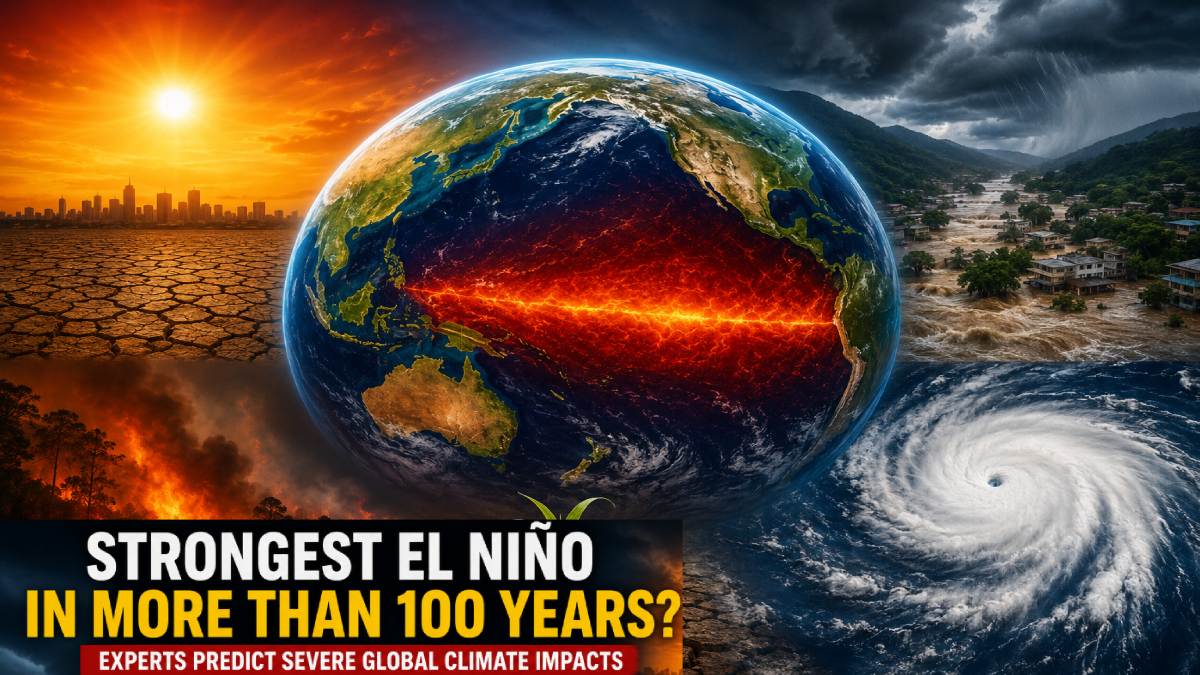
The potential for the new El Niño cycle to ramp up global extreme weather systems, such as heatwaves, flooding, severe droughts, crop losses, water scarcity and violent storms, may be accelerated if current ocean warming patterns persist, experts say.
El Niño, a natural phenomenon that occurs as a result of the abnormal warming of sea surface temperatures in the central and eastern Pacific Ocean, is an associated feature of weather. Once in a while, it does take place, but climate change and rising global temperatures could now be increasing its severity and effects, researchers say.
Meteorological agencies and climate monitoring centres have warned that ocean temperatures in much of the Pacific are rising quickly, and some scientists say that what's been happening today is more intense than, if not surpassing, El Niño experienced from 1997 through 1998, like the 1997–98 and 2015–16 years, according to current and historical data.
Several climate scientists say that the present warming trend could result in one of the strongest El Niño events of all time. Some scientists say it may be one of unprecedented magnitude due to ocean heat plus instability in the atmosphere combined.
What Could Happen Globally?
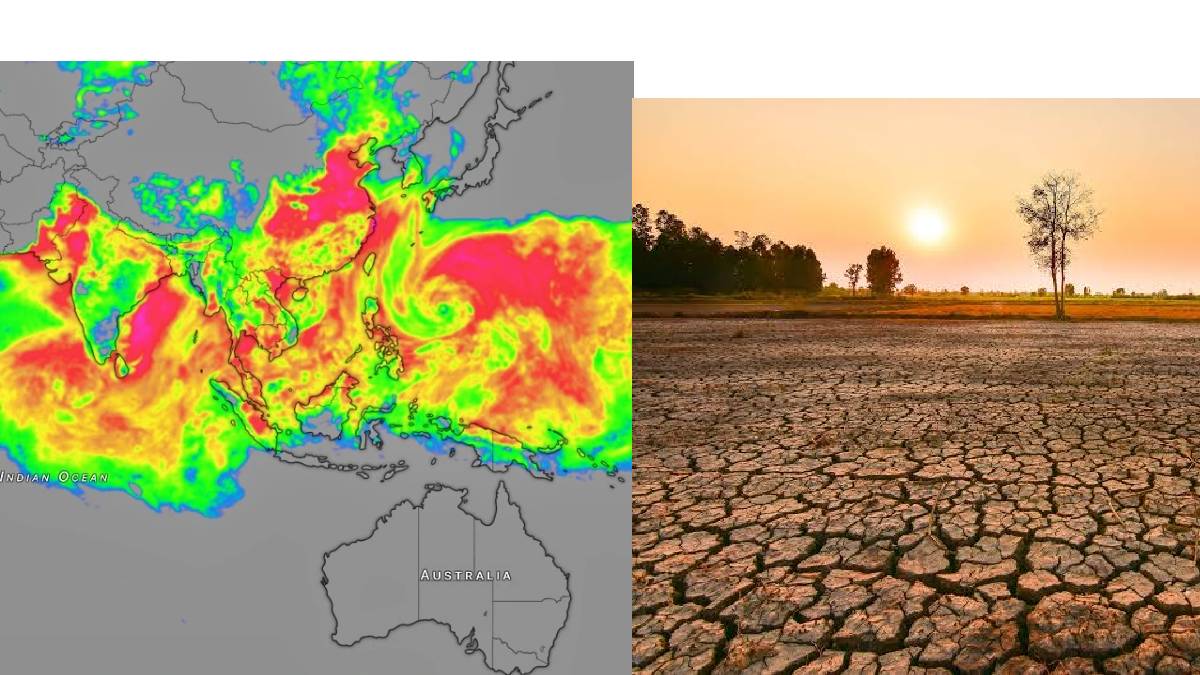
El Niño is not as robust throughout the world as the weather system it affects. But it has the power to change global weather as much as anything else. Elsewhere in Asia, including in India, experts predict that El Niño could weaken monsoon rains in particular regions, hurting farming plants as well as water storage facilities and food production.
In areas that rely far more upon seasonal monsoons, the drops in the rainfall can bring about a drought-like climate. At the same time, some parts of the world might get torrential rains and catastrophic flooding.
During strong El Niño years, South America’s countries tend to face stronger storms and flooding, and in Africa, it could also experience droughts and heavy rain, depending on the region.
Scientists are also warning that global temperatures could rise during the event. Because El Niño sends vast amounts of heat from the Pacific Ocean into the atmosphere, it may also be responsible for record warm weather around the world. Many experts today even say that the world could witness record temperatures if things worsen. Some countries are already experiencing unusually early heatwaves, warmer oceans and out-of-the-ordinary weather this year.
Worsening apprehension about food and water security
Among the most serious concerns associated with a severe El Niño is its potential adverse impacts on global food and water supplies. Some agricultural experts say crop failures from drought, floods or heat stress could elevate the cost of food and add to the existing economic pressure in nations at heightened risk of disasters. The distribution of rice, wheat, maize, sugar, coffee and cocoa might fluctuate depending on the winds that travel to the regions.
Fisheries, including marine ecosystems and fish migration patterns, could also be at risk, and warming oceans could damage them too. In countries that already face climate-related strain, experts warn that both shortages of water and damage to agriculture could deepen humanitarian and economic problems.
Climate Change and El Niño Connection
Scientists say El Niño itself is a natural climate cycle; however, global warming is supposed to make it severely worse. Warmer oceans and warmer temperatures in the atmosphere can worsen the phenomenon. This in turn can produce rain extremes, heatwaves and storm activity.
A combination of human-driven climate change and an intense El Niño, a powerful weather phenomenon that can render weather events highly unpredictable and harmful around the world, has created a “double impact,” climate researchers believe.
Governments on Alert
Governments and disaster management agencies are already preparing for potential climate emergencies in a range of countries. Authorities are broadening the monitoring system, testing flood preparedness plans and assessing drought management plans ahead of the phenomenon’s projected peak.
International climate organisations have also advocated that nations create more advanced early warning systems and keep health services, agriculture and energy systems alert to looming disruptions.
While the scientific community continues to measure ocean temperatures and underlying atmospheric trends, many scientists believe that the world will soon enter what could be an unusually intense and perhaps dangerous time of climate instability if El Niño gets worse over the next several months.