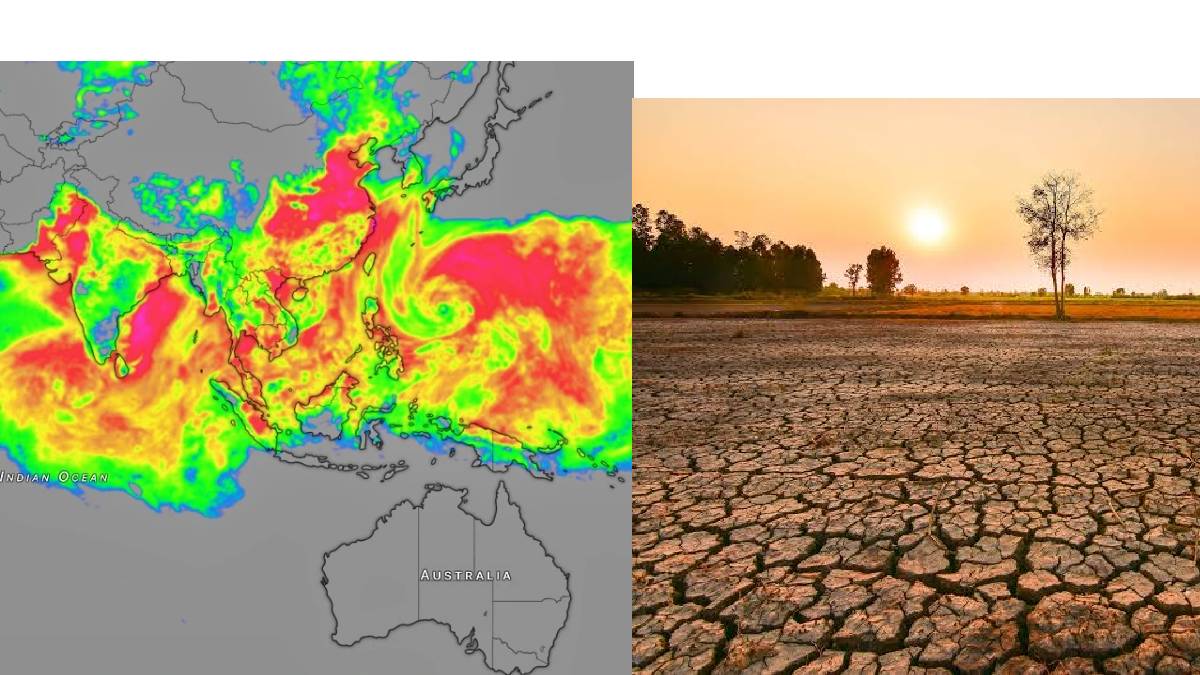
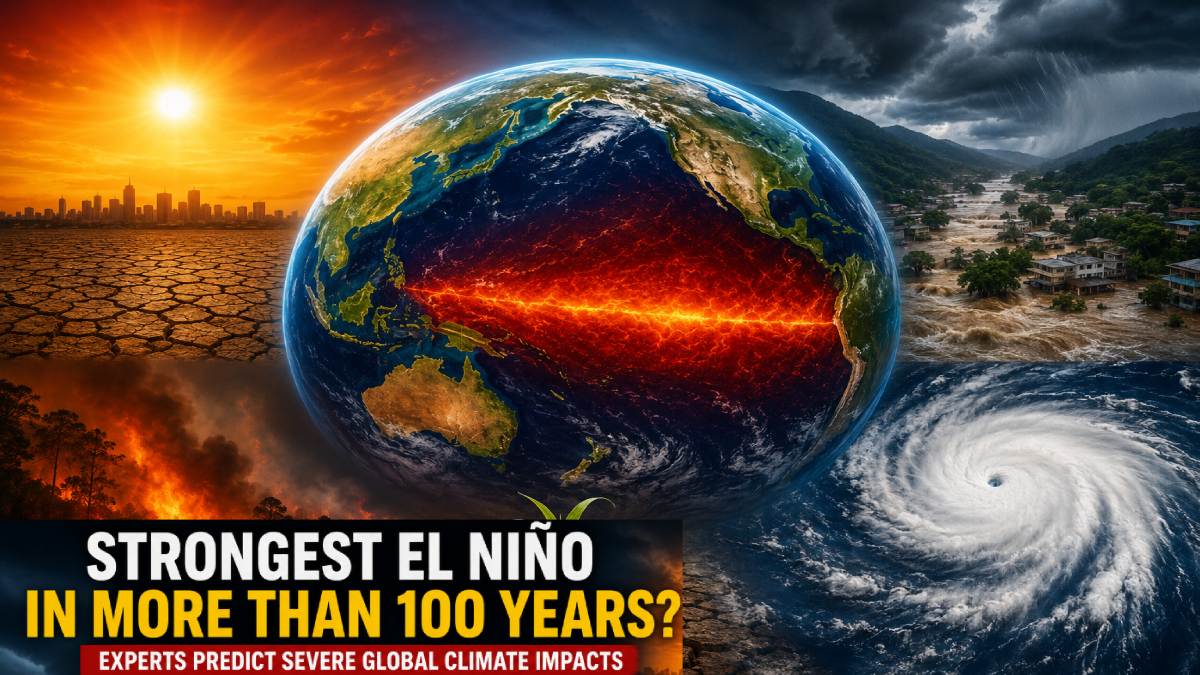
India has witnessed rising temperatures, tied to an ongoing El Niño effect, making even daily living something you can’t stand and now a serious threat to the heart.
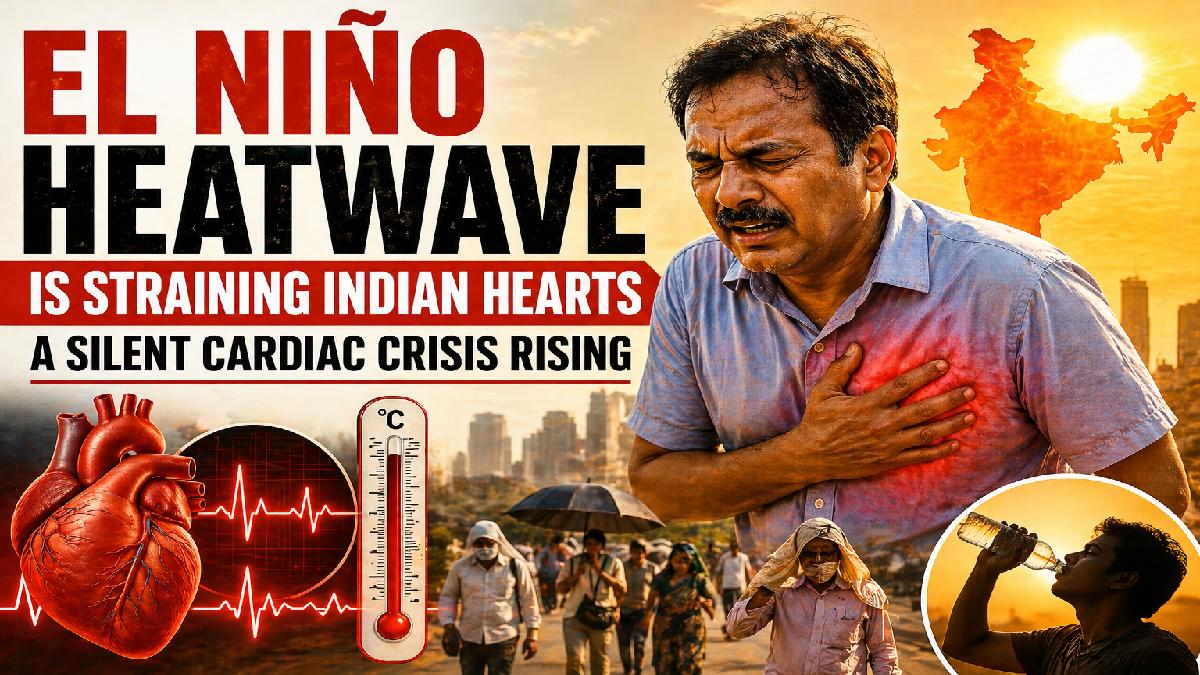
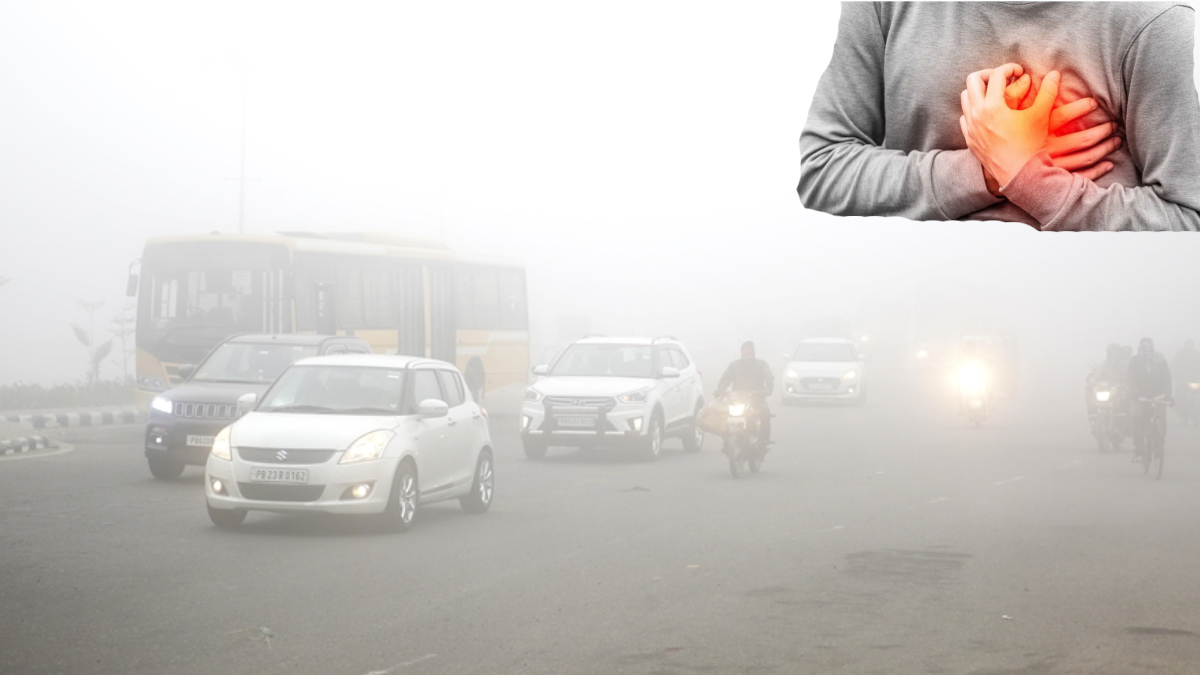
Medical specialists across India are warning that temperatures are quietly raising the risk of heart problems, especially in the elderly, people with existing heart trouble and outdoor labourers. Heatwaves have stretched out over many parts of India, including parts of several states, which experienced extremely high temperatures in recent months.
Extreme weather, doctors say, imposes tremendous strain on the human cardiovascular system, resulting in dehydration, an increased heart rate, swings in blood pressure, and, sometimes, heart attacks and strokes as serious illnesses. Cardiologists say that in extreme climates, the heart has to work harder to maintain body temperature by beating harder.
Blood vessels expand in reaction to this heat so that the heart should beat faster; pressure on the heart muscle increases over time. This can be especially dangerous for people who are already afflicted with hypertension, diabetes, obesity or existing heart disease. Hospitals in many top cities have cited a rise in heatwave-related chest pain, fatigue, shortness of breath, dizziness and dehydration-related cardiac complaints during the highest heating periods.
Most people downplay the impact of heat stress on their hearts and accept symptoms, especially in advanced illness, as tiredness, health experts said. That’s particularly important in urban life, where there is a “heat island effect,” which raises temperatures from being built in concrete, traffic and low vegetation. Hot regions such as Delhi, Mumbai, Hyderabad and Bengaluru have reported rising levels of heat and risks of health problems following exposure to heat.
Experts say dehydration from extreme heat can thicken the blood, cause clots to form and increase the risk of heart attacks. Heavy sweating can also lead to electrolyte abnormalities, which can disrupt cardiac rhythm and be dangerous for vulnerable people. This includes outdoor labour force employees such as outdoor labourers, delivery drivers, traffic police officers, farmers and construction workers, as most people work directly exposed to the sun for extended periods.
Health experts would like adequate hydrating facilities as well as shaded resting areas and flexible hours to be within reach for the employees, in addition to the need for employers and the government to respond to extreme weather conditions in the workplace, offering the best hours.
Doctors have warned people not to step outside in the afternoon, when people are at their worst, to drink lots of water, drink lots of fluids high in electrolytes, to wear light clothes and come to the doctor’s office right away if they feel chest pain, unusual sweating or difficulty breathing. “We’re also predicting that heatwaves tied to El Niño events may become more common and intense as a result of climate change,” climate scientists also caution.
Put differently, health emergency threats related to heat, like heart disease, would likely multiply in the future unless more preventative steps are taken. Public health experts are currently asking for more awareness campaigns about the concealed dangers of extreme heat among populations. They emphasise that heatwaves should not only be considered natural disasters but also an important public health threat that can trigger a cardiac crisis across the country.