The Supreme Court in the case of pharmaceutical promotion and pharmaceutical companies offering physicians incentives and freebies, it directed the government by order to form a committee to examine whether there are violations of the law and for the public interest to try and prevent such action.
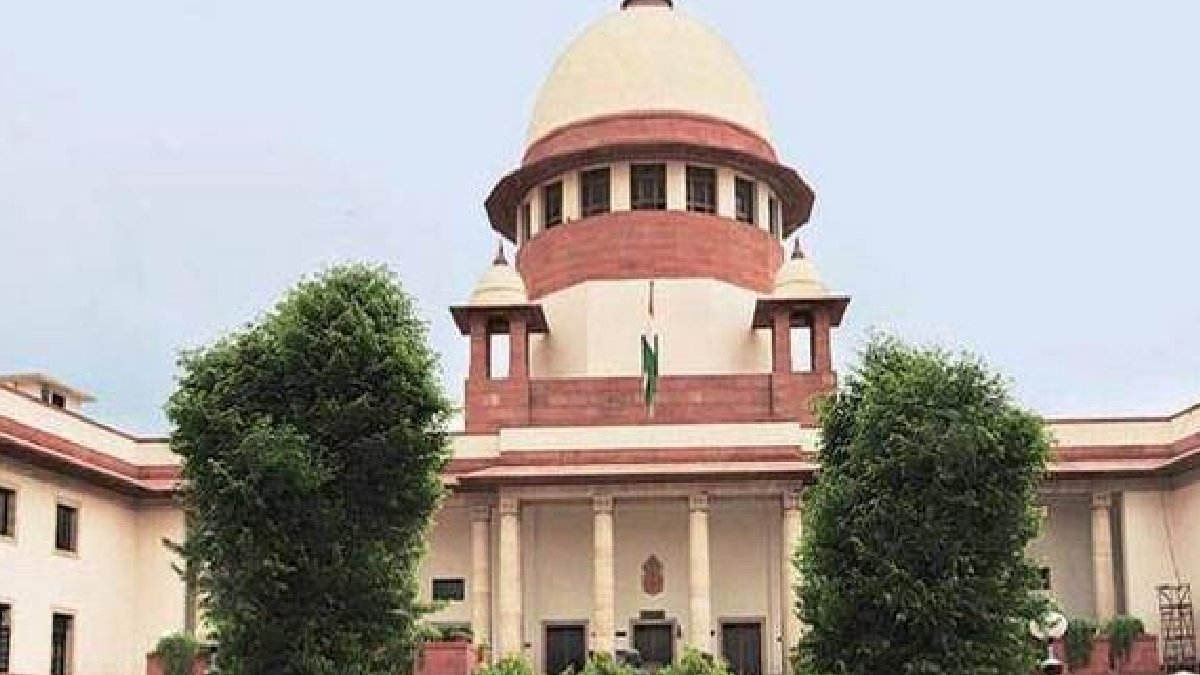
The two-judge bench of Justice Vikram Nath and Justice Sandeep Mehta passed the order on Thursday. The court directed the committee to take suggestions and representations on the matter and submit its recommendations to the Union government. It has now been listed again for consideration of the government's compliance affidavit.
The case was filed by the Federation of Medical & Sales Representatives Associations of India (FMSRAI) and others. The petitioners sought stronger regulation of the way pharmaceutical companies market and promote medicines to healthcare professionals. They argued that the existing framework was not sufficient to stop unethical practices and advocated for a mandatory code.
The Supreme Court has asked for a review of the pharmaceutical marketing practices.
The petition also raised concerns about promotional activities pharmaceutical companies might have used to influence prescribing decisions. Pharmaceutical companies are spending a great deal, the petitioners claimed, on sales and marketing activities for healthcare workers who are worried that they may affect prescription volumes.
The petitioners linked those concerns to the larger right to health and argued that excessive or inappropriate promotion of medicines could have consequences for patients. They asked for more regulation of drug marketing so that it is in accordance with ethical standards.
The Supreme Court’s latest direction does not itself make a new statutory marketing code. It requires the Centre to establish a committee that will consider suggestions and representations and make recommendations to the government.
Centre Points To Existing UCPMP Rules
At the court, the Union government referred to the Uniform Code for Pharmaceutical Marketing Practices (UCPMP) issued by the Department of Pharmaceuticals. The government said the code applies to pharmaceutical companies, medical representatives and agents.
The Centre also pointed to restrictions under the UCPMP on pharmaceutical companies giving gifts, travel facilities, hospitality, cash or monetary grants to physicians or their family members. The existing framework is therefore part of the wider regulatory backdrop against which the Supreme Court has asked the committee to examine the representations and make recommendations.
The decision comes as medicine marketing and medical industry relationships continue to be the subject of judicial and regulatory scrutiny. That kind of direction from the court could further raise questions about whether our existing voluntary or regulatory mechanisms are sufficient and whether we have to resort to statutory measures which would be more effective.
FMSRAI Seeks Stronger Regulatory Framework
FMSRAI petitioned against what they said were limitations of the current regulatory regime. The petition sought a statutory framework to regulate the promotion and marketing of drugs by pharmaceutical companies with healthcare professionals.
The petitioners contended a stronger framework was needed to prevent commercial incentives from influencing medical decisions. They also flagged the negative impact on patients if medicines are prescribed for reasons other than clinical need.
The case was reserved for judgment on 8 September after the Supreme Court heard submissions from the parties. This new order places the Centre’s responsibility on the committee to study the representations through that proposed committee and draw up recommendations.
NMC regulations are also part of the larger debate.
The proceedings also come in the context of regulatory changes in medical professionals. The National Medical Commission had issued a notification keeping the implementation of its Registered Medical Practitioner (Professional Conduct) Regulations, 2023, in abeyance.
Those regulations contained provisions on prescription of medicines and professional conduct. The matter has raised questions in medical ethics, pharmaceutical marketing and the relationship of healthcare professionals with drug manufacturers.
The Supreme Court’s latest intervention is in pharmaceutical companies and their marketing practices. The committee will consider the suggestions and representations and will publish its recommendation to the Union government.
What happens next?
The Centre will now need to constitute the committee and take into account the representations made in this case by the court. What results from this process might inform future government action on pharmaceutical marketing practices.
The Supreme Court has also directed that the matter be listed again for checking compliance by the Union Government. The next stage will therefore depend on the constitution of the committee, the issues it considers and the recommendations eventually submitted to the government.
The case is significant because pharmaceutical marketing is heavily intertwined with medical decision making and patient interests. The government has pointed to the existing UCPMP framework, but the petitioners have called for greater statutory enforcement. The committee will have the opportunity to explore these competing concerns and determine whether additional safeguards are needed.
As a result, the Supreme Court’s direction keeps the ethical pharmaceutical promotion issue under active judicial consideration. Any regulations that are made to change in the future will depend on recommendations of the committee and the government’s actions along the way.