The Supreme Court on Tuesday held that peaceful demonstrations are a part of a democratic society and that protests are a natural part of a democratic society and rejected petitions on the recent demonstrations on the alleged irregularities in the NEET examination and the violence that happened in different parts of the country.
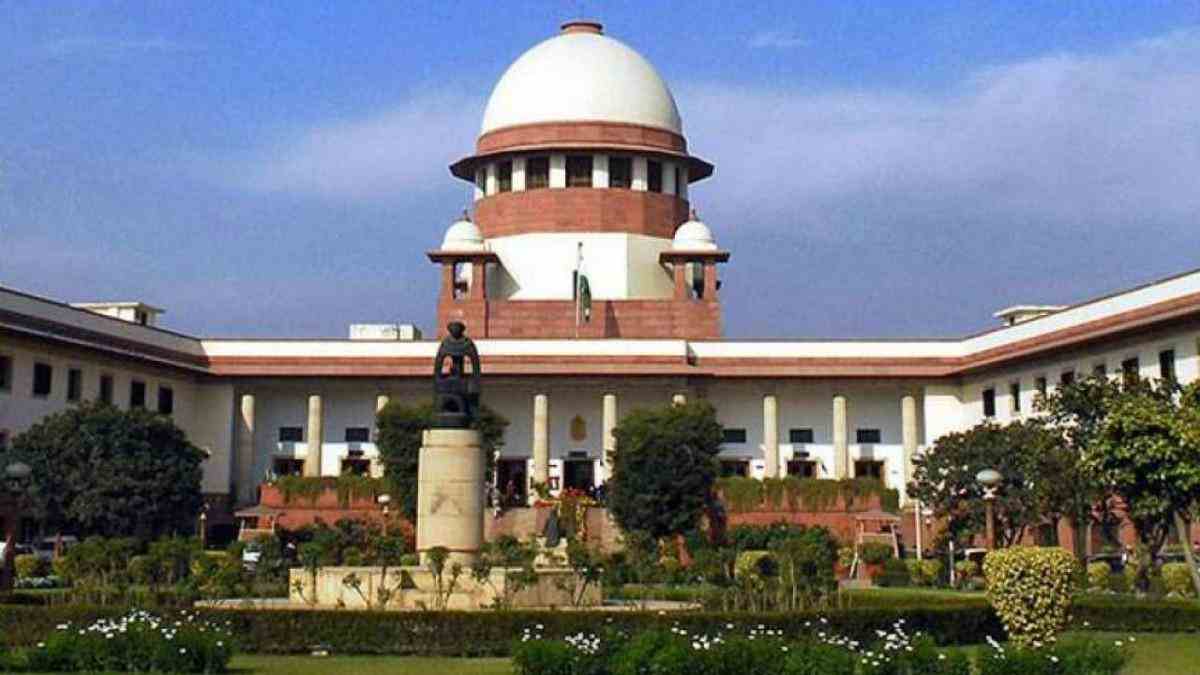
A Bench headed by Chief Justice of India (CJI) Surya Kant made the observations while hearing allegations of police excesses, injuries to protesters and violence during the protests. The petitions also referred to accusations of assaults on women, advocates and media personnel.
In the hearing, the Chief Justice observed that agitations will happen in a democracy. At the same time, the court held that any person who takes the law into their own hands and commits violence must be held accountable according to the law.
The Supreme Court decided to assign a Special Investigation Team (SIT) to investigate violence that took place in the NEET protests in Delhi and other states.
The Bench also asked if there should be an independent inquiry into allegations of police excesses, observing that such allegations warranted a credible and impartial investigation.
Students in Custody to Be Released
The Supreme Court also ordered that students held at the centre of recent protests should be released. It also said all the petitions related to the protests and violence would be heard together to ensure consistency in judicial proceedings.
Court Seeks Updated Protest Protocol
The Bench also observed during the hearing that existing protocols for protests and crowd-control procedures might need to be altered, as public demonstrations today tend to be different from traditional protest movements.
The court said more updated guidelines would help strike a balance between protecting citizens' constitutional right to peaceful protest and maintaining public order.
Government's Stand
Solicitor General Tushar Mehta, representing the Union Government, argued that while genuine students were unlikely to engage in violent activities, anti-social elements had allegedly infiltrated the protests.
Mehta said individuals involved in serious criminal cases such as murder, rape and narcotics-related offences had been involved in the demonstrations and attacked police personnel, making law enforcement efforts hard.
Concerns Over Police Action
In court, Senior Advocate Vrinda Grover spoke of reports of protesters getting pellet injuries during police action and asked the Supreme Court to issue appropriate directions regarding the incidents.
The hearing comes after the Supreme Court had also said the constitutional right to peaceful protest cannot justify excessive police behavior, including the use of lathi charges. The court had also said previously that law and order is essential, but that peaceful demonstrations were also protected by the Constitution.
The latest developments come after clashes at a protest march in Delhi on 20th July, where security forces used lathis and tear gas to disperse protesters who were trying to march in the direction of Parliament.
Now the case will go before the Supreme Court as the newly formed SIT begins its investigation into the allegations of violence, police action and related incidents arising from the nationwide NEET protests.