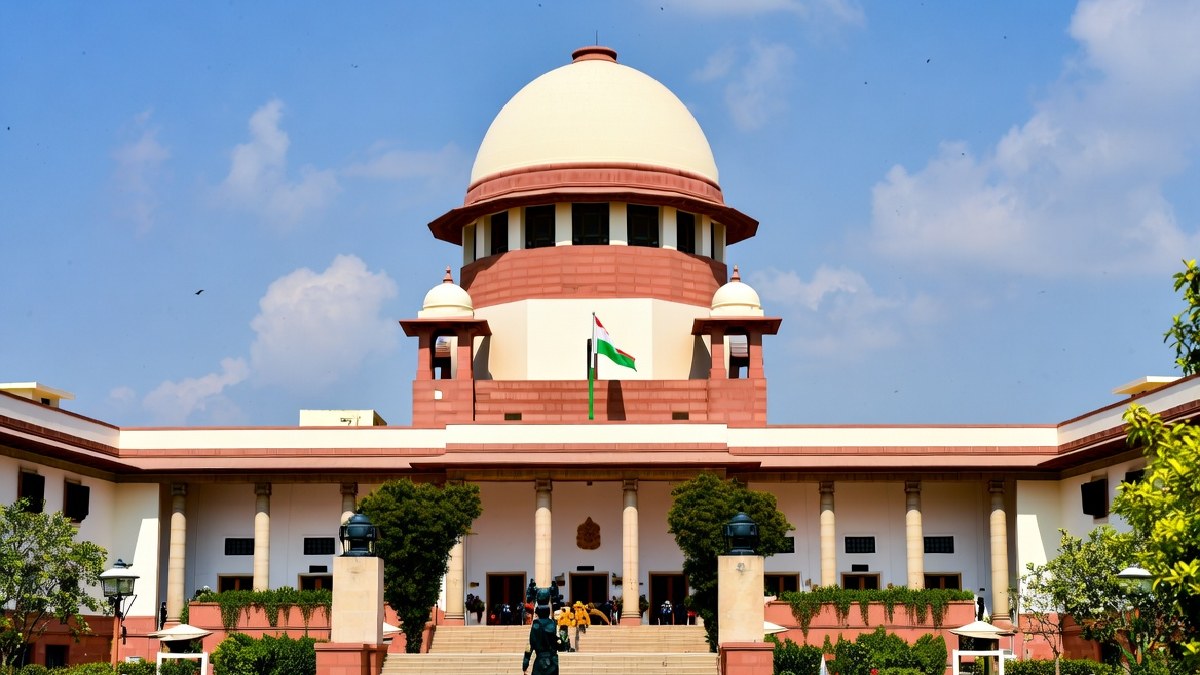
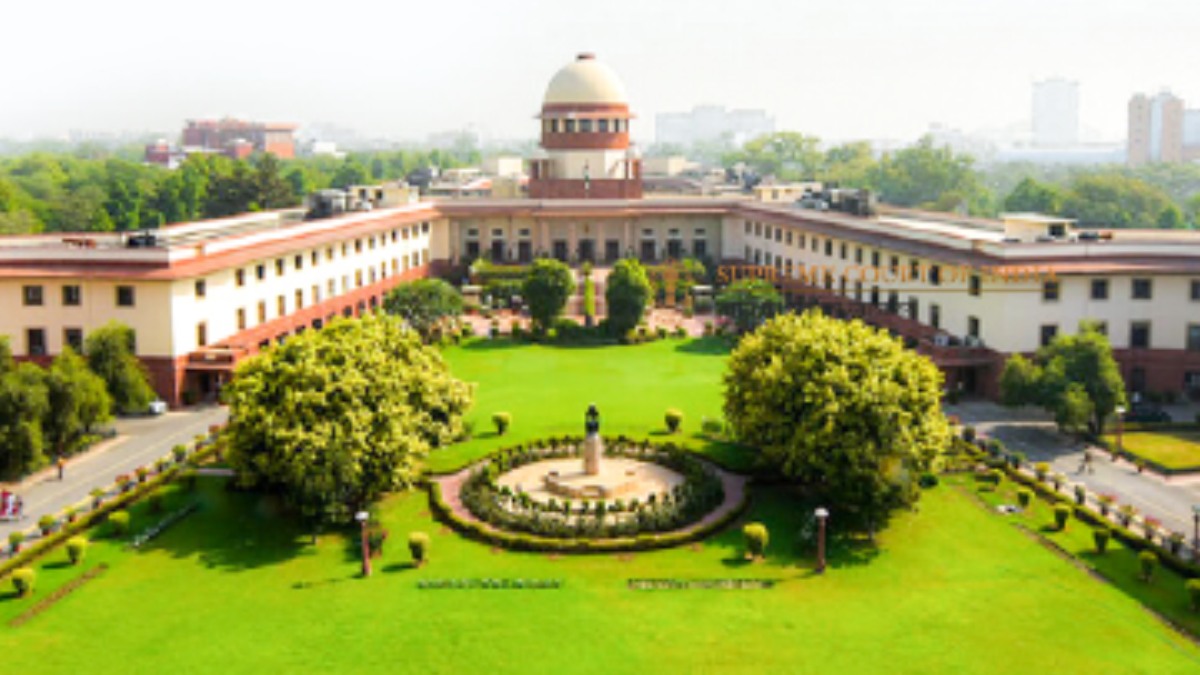
The Supreme Court has taken suo motu cognisance of recent rape cases reported in Delhi-NCR, including a minor’s sexual assault on a moving sleeper bus in Delhi. But the court has raised questions over the context of the cases and the larger question of public safety, policing and accountability.
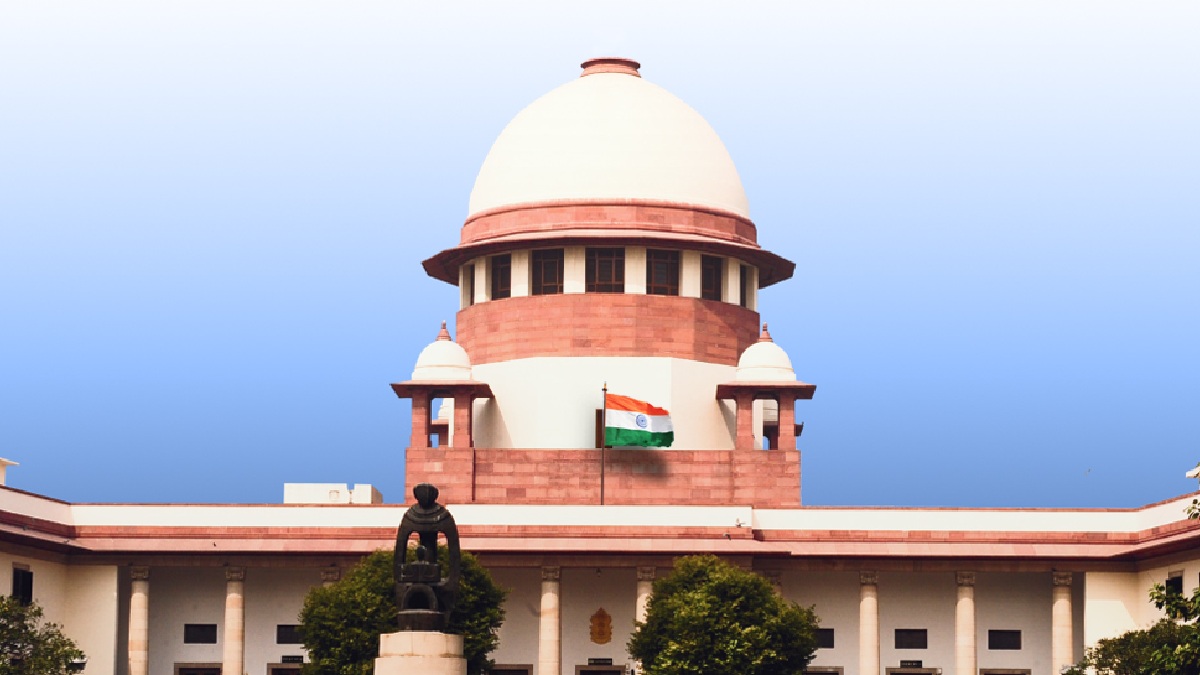
As the Supreme Court watched the cases, they found solidarity to victims is not enough. So authorities and law enforcement must take preventative measures to prevent such things from happening and public spaces should be safe for citizens, the Court said.
The Court’s intervention comes as women and children are increasingly anxious about safety in public and semi-public places. The Supreme Court’s observation also stressed the importance of basic infrastructure and security measures in parks and buses (e.g., lighting and surveillance).
Supreme Court Highlights Failure Of Law Enforcement
The Supreme Court’s decision to take up the issue on its own reflects its seriousness about this recent situation. A suo motu case allows the Court to examine an issue without waiting for a conventional petition to be filed by an individual or organisation.
The Court said recent events raise questions that go beyond the individual cases. The incidents point to possible lapses in the operation of the law enforcement and administrative mechanisms and the administrative arrangements to protect people who are in danger of being vulnerable, the proceedings said.
Accountability must be a key part of the response, the Court said. That means authorities would need to look at how existing safety measures are being put in place, whether complaints are being promptly dealt with and whether policing and public infrastructure is functioning properly.
The Supreme Court has also stressed that safety cannot depend only on reactions after a crime has taken place. Prevention measures, surveillance, adequate illumination and effective administration are equally important when authorities are responsible for maintaining public spaces.
Parks, Buses And Public Spaces Under Focus
A lot of the Supreme Court’s observations are about public places like parks and buses. Such places cannot be allowed to be high-risk zones because of inadequate lighting, poor surveillance or the absence of other essential administrative facilities," the Court said.
The observation highlights the relationship between urban infrastructure and public safety. Poorly lit areas, inadequate monitoring systems and insufficient security arrangements make it difficult for law enforcement to get to them and escalate the vulnerability of people who use these spaces.
Public transport is also of concern. The sexual assault of a minor in a moving sleeper bus has raised the challenge of transport operators and authorities in ensuring passenger safety. Questions regarding monitoring and access control, staff responsibility and emergency response are among those that become very important when crimes are alleged to have been committed in a moving vehicle.
Supreme Court Draws Reference To 2012 Nirbhaya Case
The Supreme Court observed that one cannot help but draw "painful parallels" with the Nirbhaya incident of 2012. The reference was to the Delhi gang-rape case that triggered widespread public debate and led to major discussions about criminal law, policing and women’s safety in India.
The Court’s reference does not make the recent cases identical to the 2012 incident. Instead, it underlines the continuing concern surrounding sexual violence and safety in the national capital region.
The Nirbhaya case had brought public and institutional attention to crimes against women. More than a decade later, the Supreme Court’s latest intervention has once again put prevention, accountability and safety infrastructure at the forefront.
Accountability Beyond Expressions Of Solidarity
The Court's observations also highlight the distinction between expressing concern after an incident and taking concrete preventive action. The conditions that make vulnerable public spaces remain inadequately secure need to be addressed by the authorities, the remarks cited from the proceedings.
This could include lighting arrangements, surveillance systems, police deployment, emergency response mechanisms and security protocols in public transport. Implementing and monitoring such measures is ultimately the responsibility of the concerned authorities.
The Supreme Court has therefore directed the registration of a suo motu case on the issue. The proceedings could provide a wider judicial examination of the steps being taken to address safety concerns in Delhi-NCR.
A Broader Focus On Public Safety
And the latest intervention puts public safety at the heart of the judicial conversation. Rather than treating only criminal cases, the Supreme Court’s observations also examine the systems and infrastructure that surround public spaces.
So the proceedings might be based on what preventive mechanisms are available, how effectively they are being implemented and where there are gaps in administration or law enforcement. The Court’s emphasis on accountability also puts responsibility on institutions to respond to safety concerns through concrete measures rather than statements alone.
With suo motu proceedings ongoing, further directions might help to clarify the responsibilities of the authorities and the measures that will be made to make public spaces safer in Delhi-NCR. The Supreme Court’s intervention has brought women’s and children’s safety back to the forefront of the judicial mind and accountability, prevention, and effective law enforcement are the central issues of concern.