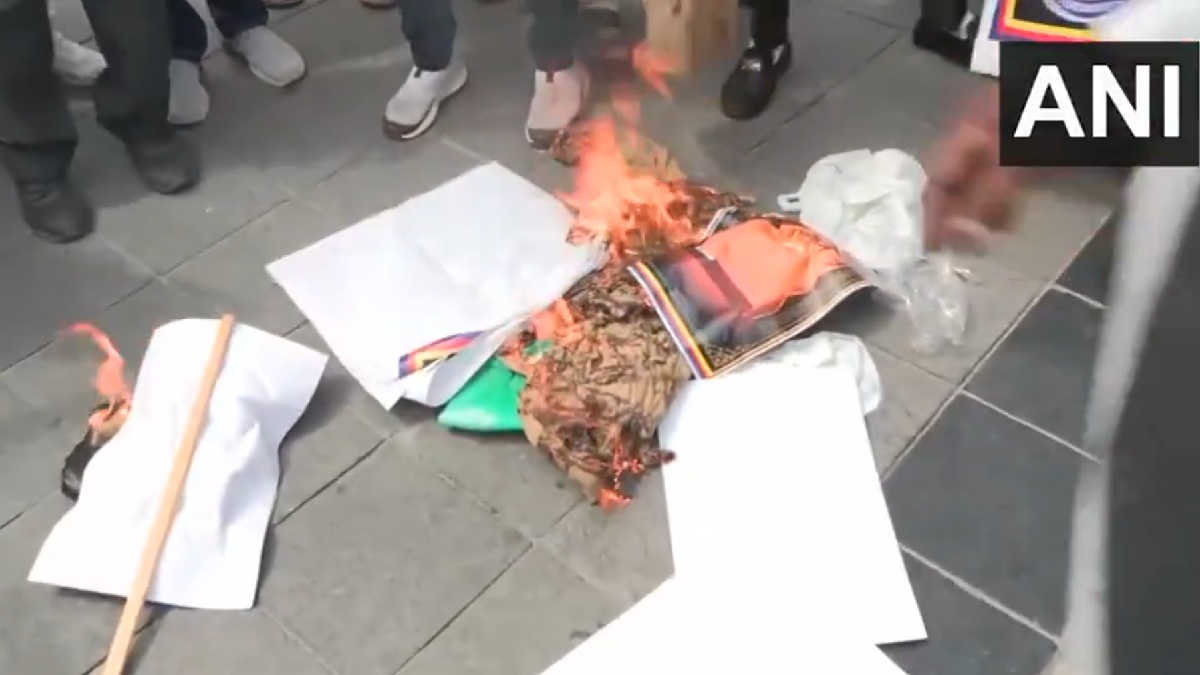
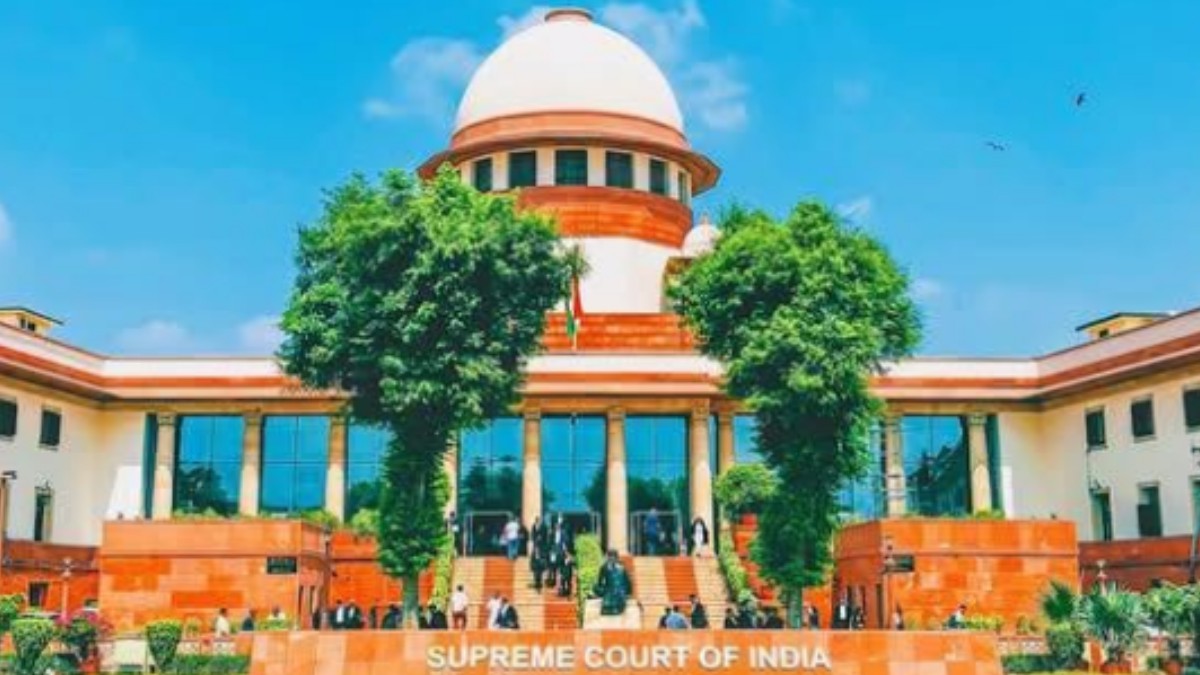
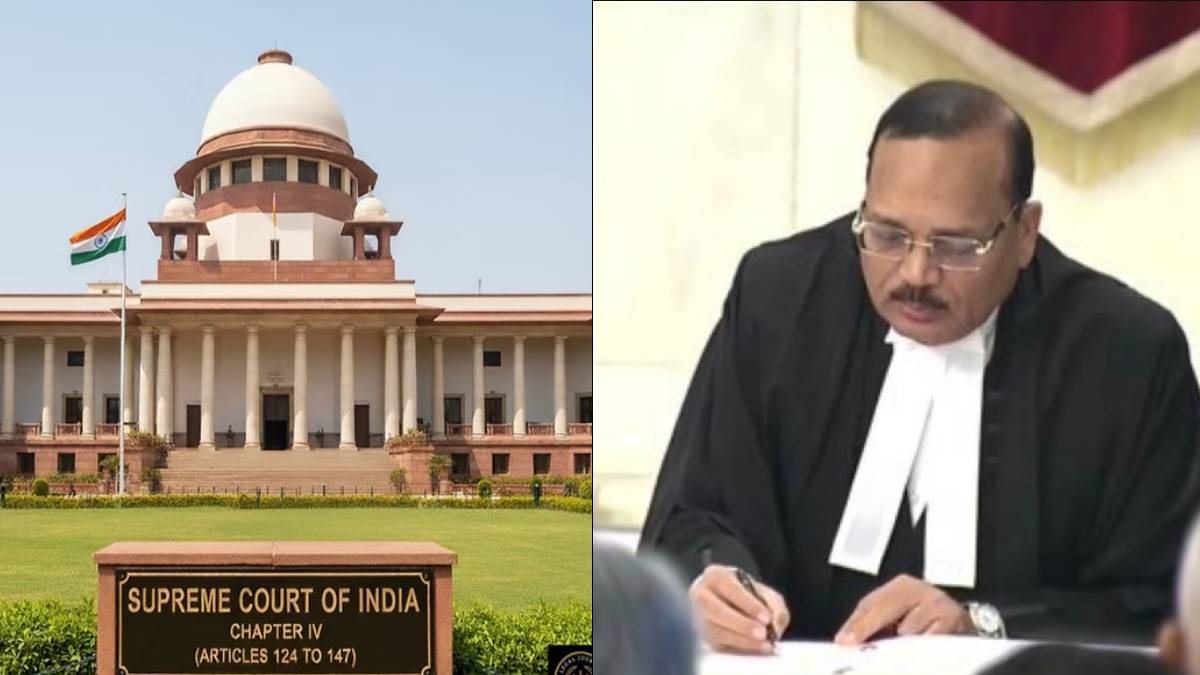
The Supreme Court has delivered a major relief to students and protesters associated with the Cockroach Janata Party (CJP), ordering the quashing of FIRs registered in connection with the group's protests held between July 20 and July 25. The order comes after assurances from the Centre and several states that cases related to the protests would be withdrawn and that no fresh FIRs would be registered over the same events.
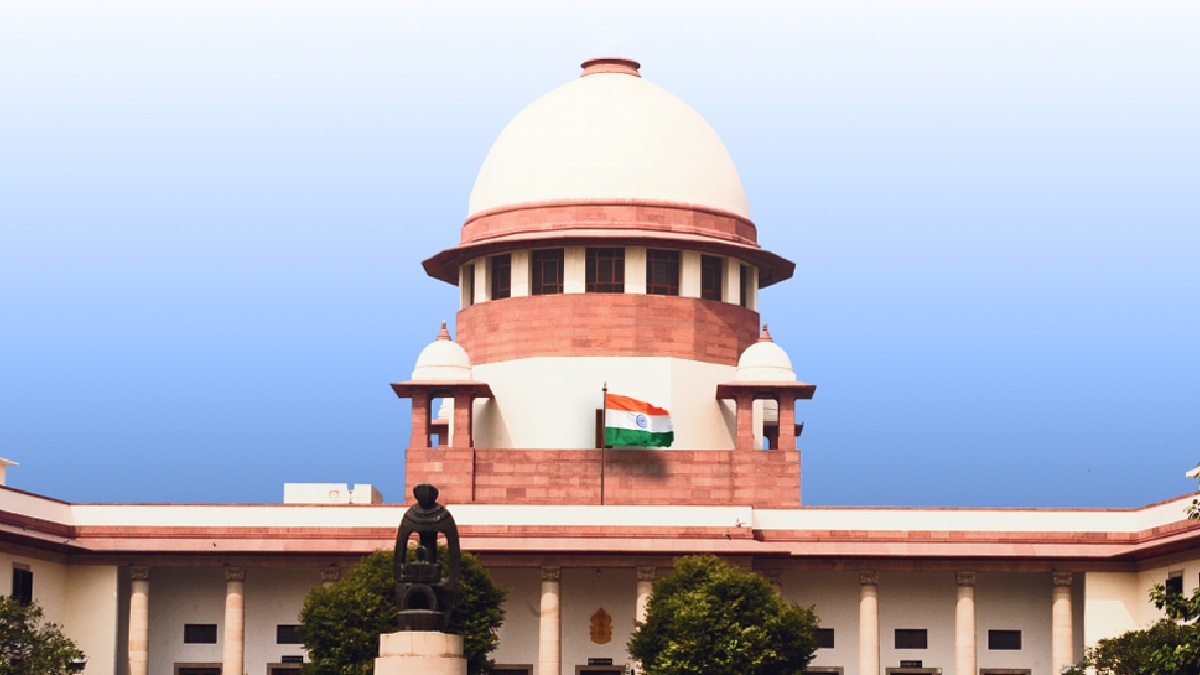
The development also led the CJP to withdraw its proposed September 5 protest march in Delhi. The organisation had announced the march over allegations that the government had failed to fulfil commitments made to its representatives, particularly regarding the withdrawal of criminal cases against protesters and compensation for families of students who died by suicide following the cancellation of the NEET-UG 2026 examination.
The Supreme Court's order provides relief to protesters across states and Union Territories, although an important exception has been made for individuals with criminal antecedents. The Delhi Police has been permitted to pursue one FIR involving 2,873 people who were present at the Jantar Mantar protest, citing serious criminal antecedents among those covered by the case.
The matter came before a bench headed by Chief Justice of India Surya Kant. During the proceedings, the bench observed that the dispute could be resolved if the two sides engaged with each other in an atmosphere of trust. Solicitor General of India Tushar Mehta, representing the Centre, said that both sides had approached the matter constructively and positively.
"We are not enemies," Mehta said during the hearing, stressing the government's willingness to resolve the issue in accordance with the commitments made earlier.
The Solicitor General informed the court that the Centre, through the Delhi Police, along with the governments of Bihar, Assam, West Bengal and Maharashtra, had filed applications seeking the quashing of FIRs connected with the student protests. According to Mehta, the applications were submitted to honour an assurance given to CJP leaders on July 25.
The government's position also included an assurance that no fresh FIRs would be registered in connection with the protest-related events that occurred between July 20 and July 25. The Supreme Court's intervention has now given judicial weight to those assurances, providing a formal resolution to one of the major demands raised by the protesters.
Following the court's decision, CJP spokesperson Saurav Das informed the bench that the organisation had decided to withdraw its September 5 march. Das said the decision was taken in light of the government's positive assurances and the Supreme Court's order.
Das expressed appreciation for the court's intervention and said the organisation would now look forward to the implementation of the directions issued by the bench. The withdrawal of the protest call marks a significant de-escalation between the group and the government after weeks of tension surrounding the July demonstrations.
The hearing also addressed another major demand raised by the CJP — compensation for families of students who died by suicide following the cancellation of the NEET-UG 2026 examination. The Solicitor General told the court that the Centre remained committed to honouring its assurance regarding compensation.
However, the government sought three months to determine the modalities of the compensation scheme. The Supreme Court accepted the request and directed the Centre to complete the process within three months.
The compensation issue has remained a sensitive part of the wider dispute. The CJP had cited the plight of affected families while announcing its September 5 protest, alleging that earlier commitments made by the government had not been implemented adequately.
With the latest Supreme Court order, the immediate confrontation over the FIRs appears to have been brought to an end. The withdrawal of the September 5 march also removes the possibility of another large-scale protest in the national capital over the issue.
However, the government's compliance with the court's directions will now remain crucial. While the FIRs linked to the specified protest period are set to be quashed subject to the court's exception for those with criminal antecedents, the Centre has also been given a three-month deadline to finalise the compensation modalities for the affected NEET-UG families.
The Supreme Court's intervention has therefore addressed two key issues at the centre of the dispute, criminal cases against protesters and compensation for affected families. The CJP's decision to call off its September 5 march signals that the organisation is willing to give the government's assurances and the court's directions an opportunity to be implemented.