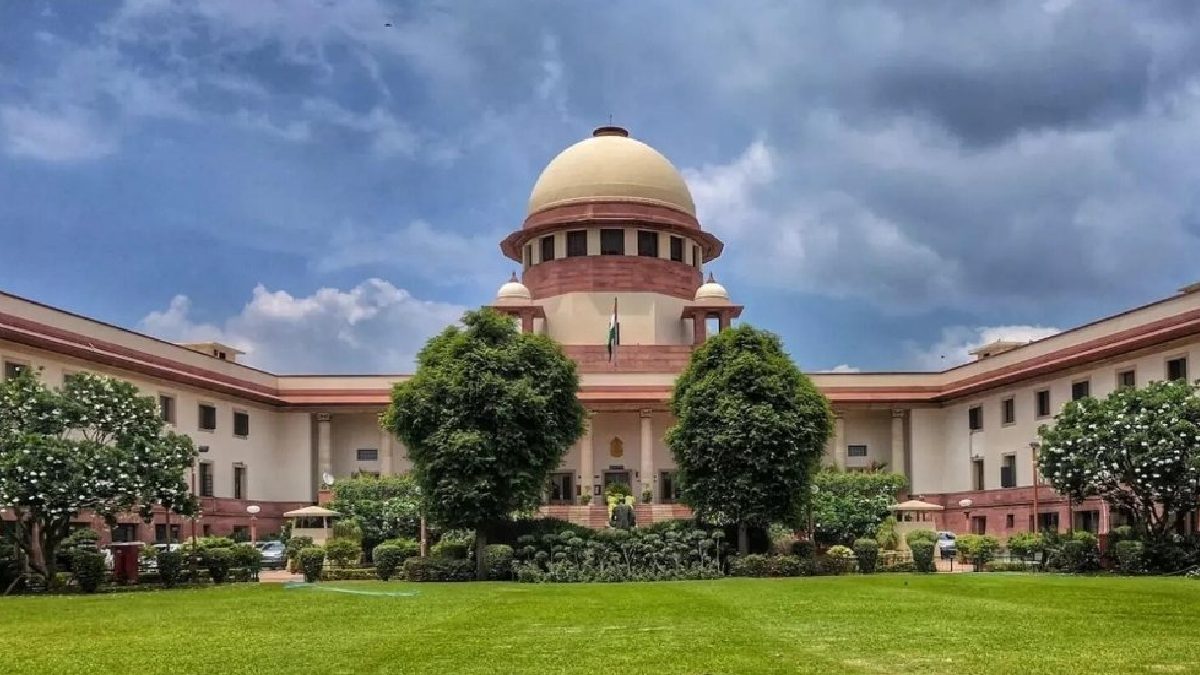
The Supreme Court has ordered Assam government to stop appointments and absorption of teachers in schools and colleges under the state’s provincialisation scheme. This brings into question the constitutional validity of the process. The interim order was passed on Tuesday (September 8) while hearing a petition challenging statutory framework for provincialisation of teachers and employees of venture educational institutions in Assam.
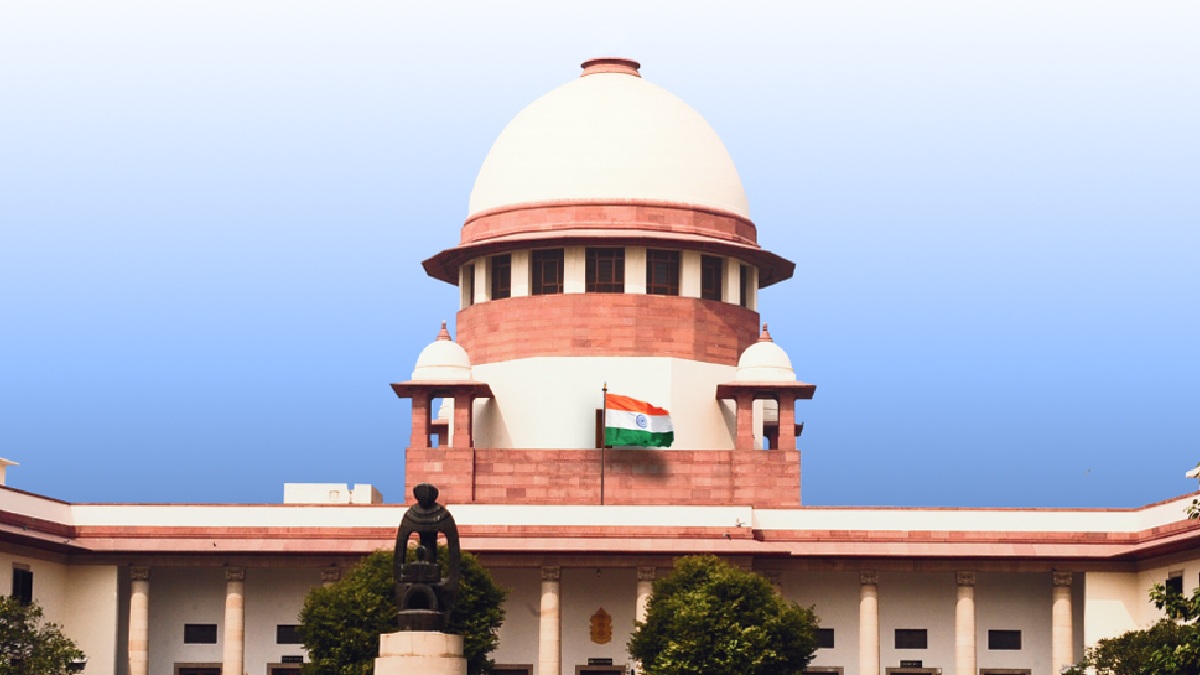
A bench of Chief Justice of India Surya Kant and Justices Joymalya Bagchi and V Mohana issued notices to Centre, Assam government and senior education officials in connection with the challenge. It alleges that under provincialisation framework persons can enter substantive government service without going through a fair, transparent and competitive recruitment process.
Rajesh Chauhan and Madhab Mukunda Pujari have challenged the constitutional validity of the legislation governing provincialisation of teachers and employees in Assam. Senior advocate Ranjit Kumar appeared for petitioners and put their case before Supreme Court.
In Assam provincialisation framework the state government is responsible for certain employees of venture educational institutions (fixed salaries liabilities, gratuity pension encashment liability etc) under rules applicable to government employees. Scheme was introduced so as to bring eligible teachers and other employees of such institutions in the state supported education system.
However, the petitioners have said that mechanism would enable people to get government or provincialised service without going through the competitive selection process required for public employment. Article 14 and 16 of the Constitution (equality before law and equality of opportunity in public employment) are violated by such a system pleads the plea.

The Supreme Court’s interim order thus stops fresh appointments or absorption under the disputed framework while the larger constitutional questions are pending. It applies to all statutory provisions relating to teacher appointments and provincialisation (such as those with Right of Children to Free and Compulsory Education Act, National Council for Teacher Education Act 1993 and University Grants Commission Act 1956).
Petition Raises Questions Over Teacher Qualifications
A major issue before the court is as to what qualifications teachers and other personnel brought into government or provincialised institutions through the scheme have (or may be brought) by the scheme are; the petitioners have alleged that provisions of Assam Education (Provincialisation of Services of Teachers and Reorganisation of Educational Institutions) Act, 2017 could allow provincialisation of persons who do not have minimum qualifications specified in parliamentary legislation and statutory regulations.
The petition says people without prescribed qualifications could enter government supported educational institutions violating Articles 14 and 21A of the Constitution. Article 21A guarantees fundamental right to education for children in constitutionally prescribed age group so teacher qualifications and educational standards are part of legal challenge.
The petitioners have also opposed provincialisation of tutors. They feel that people who do not meet the minimum qualifications laid down by law should not be allowed to teach or mentor students in government and provincialised educational institutions.
Another request made before the Supreme Court is that people who have already been provincialised under Assam Venture Educational Institutions (Provincialisation of Services) Act, 2011 and 2017 should be examined to see whether they satisfy qualification requirements laid down in parliamentary enactments and statutory rules.
The plea also seeks safeguards to ensure that people who do not meet the legally mandated eligibility criteria are not allowed to continue teaching in government or provincialised institutions; it has urged court to prevent future appointments through provincialisation and that recruitment to government teaching posts should be through fair, transparent, merit-based competitive selection process.
Constitutional Validity Now Under Supreme Court Scrutiny
The Supreme Court’s intervention is not a final verdict on the validity of Assam’s provincialisation scheme. The court has sought replies from concerned authorities before going into legal and constitutional issues in detail.
The case could also have wider ramifications for the appointment and absorption of teachers in Assam’s venture educational institutions. At issue is whether employees can be brought into substantive government service through provincialisation without competitive recruitment procedure or without lowering statutory qualification standards.
For Assam’s education system the proceedings are therefore important. Provincialisation has been used as a tool to give government support and service benefits to eligible employees of venture institutions but the challenge seeks more scrutiny on how appointments are made.
The Supreme Court’s interim order means that Assam government and education authorities cannot make appointments or absorb people under the challenged framework until further directions come from it. The final outcome will decide whether existing statutory provisions can be allowed to stand as they are or changes will be required so that system complies with constitutional requirements and prescribed teacher-qualification standards.